10 Best Energy Efficient Space Heaters
From leading brands and best sellers available on the web.By clicking on a link to a third party's website, log data is shared with that third party.
Related Products


Buying Guide for the Best Energy Efficient Space Heaters
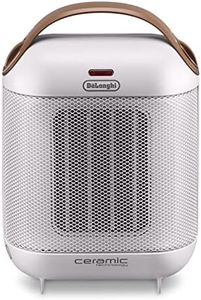
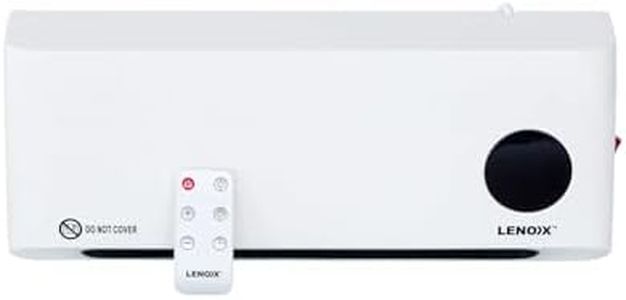
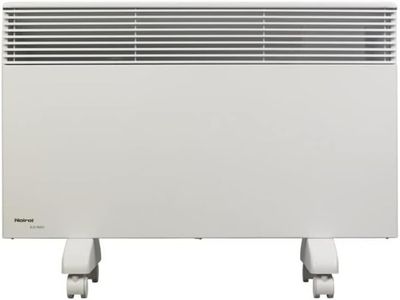
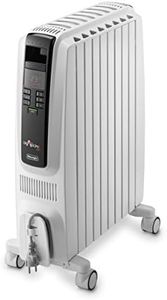
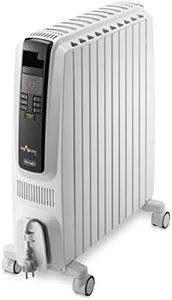
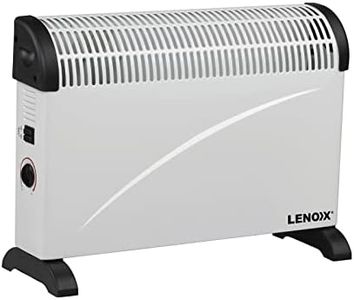
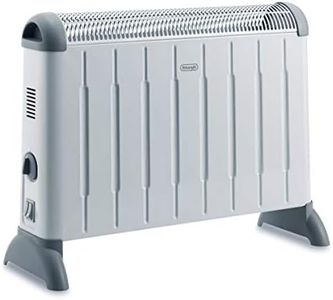
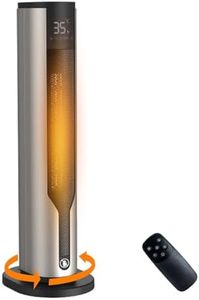
Choosing an energy-efficient space heater can help you stay warm and cozy while keeping your energy bills under control. The key is to match the heater’s capabilities to the size of your space, your usage habits, and your comfort preferences. It's important to consider not only how much heat the unit produces, but also how efficiently it uses energy, what safety features it has, and how easy it is to operate and maintain. The right space heater for you should suit your room size, your need for portability, and your desired safety and convenience features.Heating Technology (Type)This refers to the method a space heater uses to generate and distribute heat, such as ceramic, infrared, oil-filled radiators, or fan-forced convection. The type is important because it affects how quickly you feel warmth and how evenly the room heats. Ceramic heaters warm air that is then blown by a fan, which heats a room quickly and is good for temporary use. Infrared heaters warm objects and people directly, making them great for spot heating or personal use, especially in drafty spaces. Oil-filled radiators provide steady, long-lasting warmth and are quieter but slower to heat. Your choice should be based on whether you want to heat up a whole room fast (go for ceramic or fan heaters), enjoy gentle and quiet warmth (oil-filled), or just want to warm yourself or a small area (infrared).
Wattage (Power Consumption)Wattage indicates how much power the heater uses, which directly connects to how much heat it can provide and its energy consumption. Higher wattage heaters can warm larger spaces but use more electricity. Common ranges are 500W for small rooms or personal use, up to 1500W for medium rooms. For the most efficient choice, match the wattage to your room size rather than automatically picking the highest value—for small bedrooms, lower wattage suffices, but for larger areas, a higher wattage will be necessary to maintain comfort without overworking the unit.
Thermostat ControlA thermostat lets you set and maintain your desired temperature, and it’s vital for energy efficiency. Some heaters have simple low/medium/high settings, while others have digital or adjustable thermostats for precise temperature control. The more precise the control, the less energy is wasted since the heater turns off or reduces power when the room reaches your set temperature. If you want steady comfort and to avoid overheating or unnecessary power use, choose a heater with a thermostat that lets you fine-tune the temperature to your liking.
Room Size CompatibilityManufacturers often specify the size of space a heater is designed to warm, measured in square feet or square meters. This is crucial because a heater too small for your room will run constantly without making you comfortable, while a heater too large may use more energy than needed and heat unevenly. To choose correctly, measure your room and pick a heater recommended for that size—small heaters for up to 100 sq. ft., medium for 150-300 sq. ft., and large heaters for even bigger spaces. Always match the heater output to your real needs.
Safety FeaturesModern space heaters often include safety features like tip-over protection, overheat protection, and cool-to-touch surfaces. These are very important since space heaters can pose fire risks if misused. Tip-over protection automatically shuts the heater off if it tips, overheat protection cuts power if it gets too hot, and cool-touch exteriors prevent burns. If you have children, pets, or will be using the heater while sleeping or unattended, these features are must-haves for your peace of mind.
Portability and SizePortability refers to how easy it is to move the heater from room to room, often aided by handles or wheels. Size and weight matter if you plan to store the heater away during warmer months or use it in different areas. Smaller, lighter heaters are perfect if you need spot heating or want to move them frequently, while larger, heavier units are better for consistent use in a single room. Think about how and where you will use your heater, and pick one that fits smoothly into your routine.
Programmable TimersA programmable timer allows you to set your heater to turn on or off at specific times, so you never forget to switch it off. This helps save energy and can improve convenience—such as having a room pre-warmed when you wake up or come home. If you have a regular schedule or sometimes forget to turn things off, a timer is an excellent feature to ensure comfort without wasting power.