10 Best Energy Teas
From leading brands and best sellers available on the web.By clicking on a link to a third party's website, log data is shared with that third party.
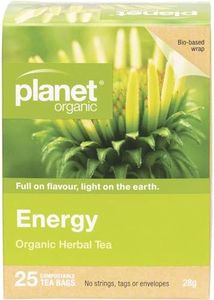
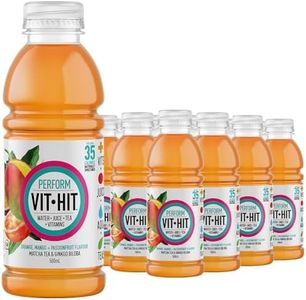
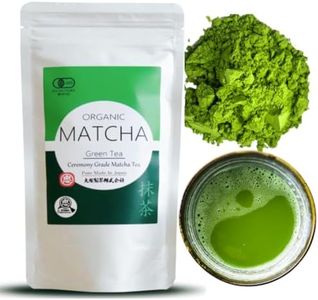
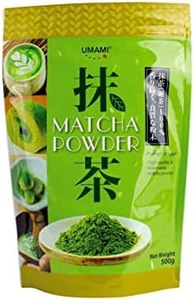
Related Products
Up to 10% off

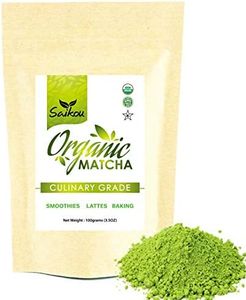
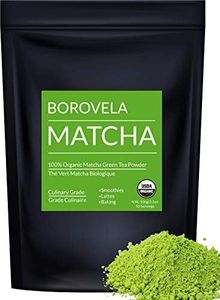
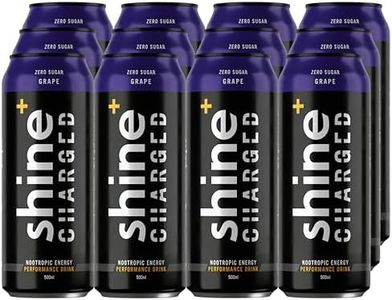
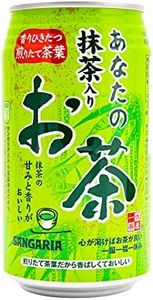
Buying Guide for the Best Energy Teas
Selecting the right energy tea is all about understanding your personal needs and preferences. Energy teas come in a wide variety of blends, flavors, and strengths, each designed to provide a natural boost without relying on artificial ingredients. When choosing one, consider how much caffeine you want, what kind of flavor you enjoy, and whether you care about additional health benefits offered by certain ingredients. The best approach is to align the tea's properties with your desired level of alertness and flavor profile.Caffeine ContentCaffeine content measures how much of the stimulating compound is in your tea. This is important because caffeine boosts your energy and alertness, but too much can cause jitters, while too little may not give you the boost you expect. Energy teas can be roughly split into low (less than 30mg per cup), moderate (30-70mg per cup), and high caffeine (over 70mg per cup). If you are sensitive to caffeine or only need a gentle lift, choose a low to moderate caffeine tea. If you want a stronger kick, high caffeine teas are a better fit. Think about your daily routine, caffeine tolerance, and how you plan to use the tea—whether for a morning pick-me-up or a gentle afternoon boost.
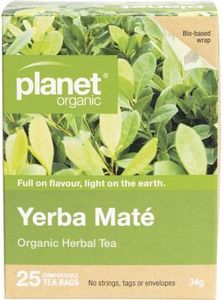
Type of Tea BaseThe tea base refers to the kind of tea leaves used, such as green, black, white, oolong, yerba mate, or herbal blends with natural stimulants. This matters because it affects both the flavor and stimulating properties of the tea. Black and mate teas tend to give the strongest energy due to higher caffeine, while green or oolong teas offer a more subtle, sustained lift. If you prefer a robust flavor and a bold energy surge, black or mate teas may suit you. If you enjoy a lighter taste and a smoother energy ramp, green or oolong might be better. Those avoiding traditional tea can select herbal blends with natural energizers like guayusa or ginseng instead.
Additional Functional IngredientsMany energy teas incorporate herbs, adaptogens, or vitamins for extra benefits, such as ginseng for focus, ashwagandha for stress relief, or ginger for digestion. These added ingredients can provide a more well-rounded energy boost, supporting mental clarity or physical wellness. To navigate this, check what non-caffeine benefits the tea offers. If you want more than just energy, look for teas with added ingredients that match your goals, such as mental focus for work or calming herbs if you tend to get jittery.
Flavor ProfileFlavor profile refers to the taste and aroma of the tea, ranging from earthy, grassy, and floral to fruity, spicy, or sweet. This is crucial because even the best energy tea is useless if you don't enjoy drinking it. Some people like the bold taste of black tea while others prefer refreshing citrus or mint blends. Identify flavors you already like or dislike in regular teas or drinks. Opt for energy teas with familiar tastes if you want something comforting, or explore unique blends if you’re feeling adventurous.
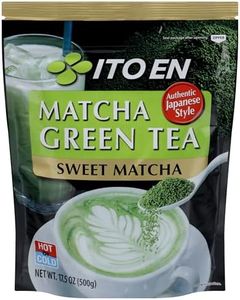
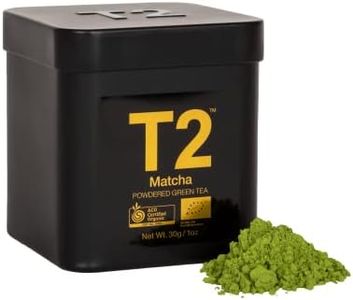
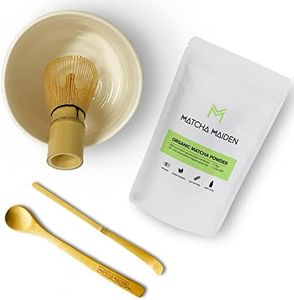
Preparation StyleThe preparation style is about whether the tea comes as loose leaves, tea bags, powder, or even ready-to-drink bottles. This matters for convenience and how much control you have over the brewing strength. Loose leaf teas often have higher quality and allow you to adjust the strength, but take more time. Tea bags or powders are faster and easier for on-the-go use. Match the format to your lifestyle—for example, choose tea bags or powders if you need a quick energy fix at work, or loose leaf if you enjoy a more involved brewing ritual at home.