10 Best English Breakfast Teas
From leading brands and best sellers available on the web.By clicking on a link to a third party's website, log data is shared with that third party.
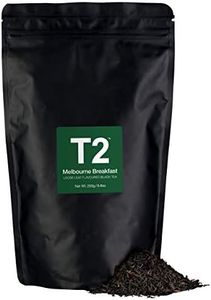
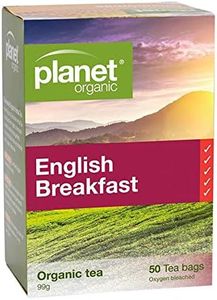
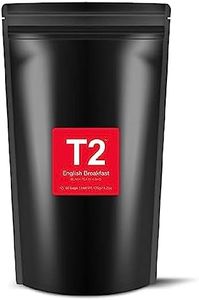
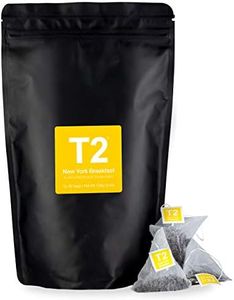
Related Products
Up to 5% off
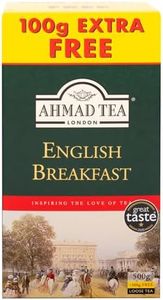
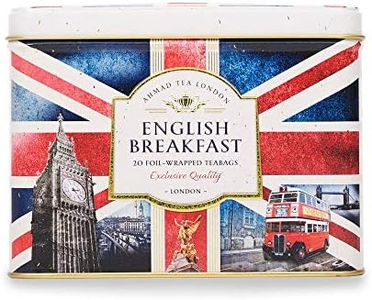
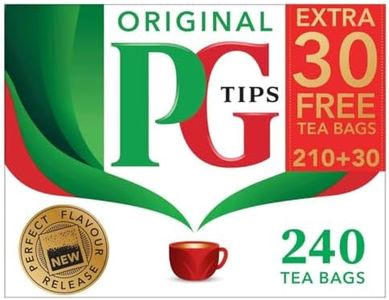
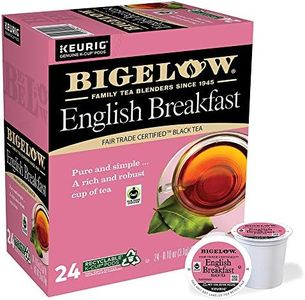
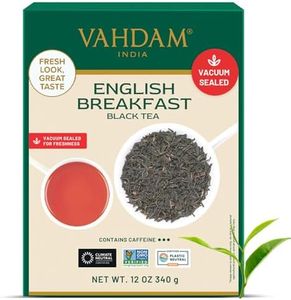
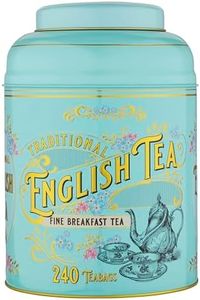
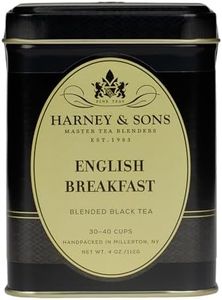
Buying Guide for the Best English Breakfast Teas
Choosing the right English breakfast tea can make a big difference to your daily tea experience. It's a classic black tea blend known for its rich flavor and ability to hold up well with milk and sugar. To pick the right one for you, it's important to understand the key features that affect taste, strength, and convenience. By focusing on the origin, leaf type, strength, and packaging, you can match your choice to your preferences and brewing habits.Origin of Tea LeavesThe origin refers to the region where the tea leaves are grown, such as Assam, Ceylon, or Kenya. This is important because the climate and soil in each region give the tea unique flavors and aromas. Assam teas tend to be malty and strong, Ceylon teas are brisk and slightly citrusy, while Kenyan teas are robust and bright. If you like a bold, rich cup, look for Assam-dominant blends. For a fresher, lighter taste, Ceylon or blends with more Kenyan tea might suit you. Consider what kind of flavor profile you enjoy when choosing.
Leaf Type (Whole Leaf, Broken Leaf, Dust, CTC)The leaf type describes how the tea leaves are processed and affects both the brewing time and the flavor. Whole leaf teas infuse slowly and have subtle flavors, ideal for those who savor their tea plain or with minimal milk. Broken leaf and CTC (crush, tear, curl) types brew quickly and make a stronger, more robust cup that goes well with milk and sugar. Tea dust is very fine and is used in most tea bags, offering a fast, strong brew but sometimes lacking complexity. Think about whether you want a quick brew or a more refined, leisurely tea experience when choosing a leaf type.
StrengthStrength refers to how bold or intense the tea tastes once brewed, influenced by the blend and grading of leaves. Some people prefer a strong cup that can withstand milk and sugar, while others enjoy a milder, smoother taste. If you like a breakfast tea that 'wakes you up', go for blends labeled as strong or robust. For a gentler cup that you can drink as is, try a lighter blend. Your preference for adding milk or enjoying it plain should guide you.
Flavor ProfileThe flavor profile includes notes of malt, fruit, citrus, or earthiness present in the tea. Some blends are very malty and full-bodied, others are brisk and fresh, while some may even have floral hints. If you enjoy complexity, look for teas that mention layered flavors. For a classic, uncomplicated cup, a malty or earthy profile will likely please you. Match the flavor to your favorite way to enjoy breakfast tea.
Packaging (Loose Leaf vs. Tea Bags)Packaging determines how the tea is stored and brewed. Loose leaf tea generally offers better quality and more nuanced flavor, suitable for those who enjoy the ritual of making tea and are willing to use a teapot or infuser. Tea bags, on the other hand, provide speed and convenience for quick cups and easy clean-up. If you're looking for flavor and don't mind a little extra effort, choose loose leaf; if you value convenience and speed, tea bags may be your best fit.