10 Best Enzyme Based Cleaners
From leading brands and best sellers available on the web.By clicking on a link to a third party's website, log data is shared with that third party.
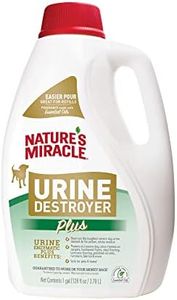
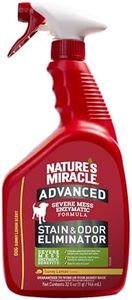
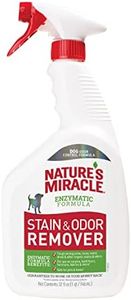
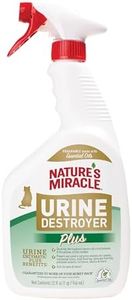
Related Products
Up to 20% off
Buying Guide for the Best Enzyme Based Cleaners
When choosing an enzyme-based cleaner, it's important to understand how these products work and what sets them apart from traditional cleaners. Enzyme cleaners use naturally occurring enzymes to break down stains, odors, and organic messes, making them especially effective for cleaning tasks involving pets, food spills, or laundry. Your choice should reflect your specific cleaning needs, the types of surfaces you plan to clean, and your sensitivity to ingredients. Properly matching an enzyme cleaner to your situation ensures effective cleaning while keeping your home safe and fresh.Type of EnzymesThe type of enzymes in a cleaner determines what kinds of messes it can break down. Common types include proteases for protein stains (like blood or eggs), amylases for starches (like sauces), and lipases for fats and oils (like grease). Some cleaners use a combination to cover multiple stain types. If your main concern is pet accidents, a blend of enzymes is best, while for specific messes, targeting the enzyme type accordingly is more effective.
Intended UseEnzyme-based cleaners are often formulated for specific purposes, such as carpet cleaning, laundry, pet stain removal, or general surface cleaning. Make sure you choose a cleaner that matches the kind of surfaces or stains you'll be tackling the most. For example, a carpet-specific formula may have ingredients that are gentle on fibers, whereas a laundry enzyme is designed to work with fabrics.
Surface CompatibilitySome enzyme cleaners are safe to use on a variety of surfaces, while others are best suited for certain materials like fabrics, hard floors, or tile. Always check which surfaces are compatible with the cleaner to avoid any risk of damage, especially if you plan to use it on delicate or high-value items. When in doubt, test a small corner before full application.
Fragrance and AdditivesEnzyme cleaners may include fragrances or extra chemicals for odor control or enhanced cleaning. Some people prefer unscented versions to avoid allergies or sensitivities, while others like added scents for freshness. Consider who will be exposed to the cleaner and whether low-additive or fragrance-free options make sense for your household.
Concentration and Application MethodEnzyme cleaners are available in ready-to-use sprays or concentrated solutions that need to be diluted. Concentrates are often more economical and let you control strength, but require careful mixing. Sprays are convenient for quick use. Choose the format that aligns with your cleaning habits—if you need fast and easy application, sprays are ideal, while concentrated formulas work best for heavy-duty or regular cleaning.
Contact TimeEnzyme cleaners often need to sit for a certain amount of time to effectively break down stains or odors. Some work within a few minutes, while others may require longer soaking. Think about how much time you can dedicate to cleaning—if you want fast results, look for quick-acting formulas, but for tough stains, cleaners with longer contact times might be better.