10 Best Epoxy Concrete Sealers
From leading brands and best sellers available on the web.By clicking on a link to a third party's website, log data is shared with that third party.
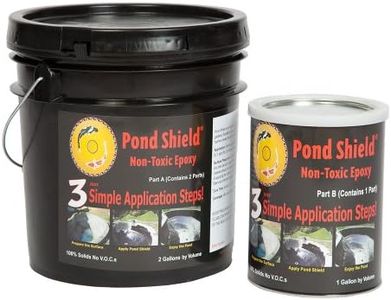
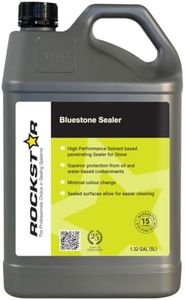
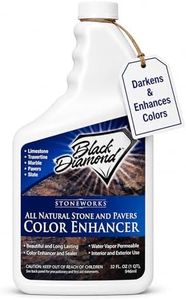
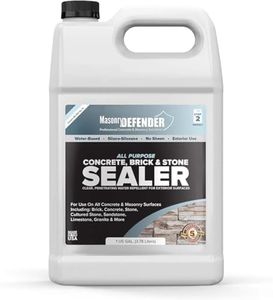
Buying Guide for the Best Epoxy Concrete Sealers
Choosing the right epoxy concrete sealer can make a big difference in protecting your concrete surfaces, whether it's a garage floor, basement, driveway, or patio. Epoxy sealers provide a durable, chemical-resistant coating that enhances the appearance of concrete and protects it from stains, moisture, and wear. When shopping for an epoxy concrete sealer, it helps to know the critical features and understand how they match your specific needs or the environment where the sealer will be used.Type of Epoxy SealerEpoxy sealers come mainly in water-based and solvent-based types. Water-based epoxies are generally lower in odor and easier to clean up, making them great for indoor areas or spaces with limited ventilation. Solvent-based epoxies are more durable but have stronger fumes and require more care during application, so they're often chosen for garages and outdoor spaces. Your choice should depend on where you will apply the sealer and your comfort with handling fumes and cleanup.
Number of ComponentsEpoxy sealers are sold as either one-part (single component) or two-part (dual component) systems. Single component sealers are easier to use, making them suitable for quick jobs or for less experienced users. Two-part systems, which need to be mixed before application, typically offer stronger, longer-lasting protection and are better for high-traffic or demanding applications. If you're sealing a surface that will get a lot of use or exposure to chemicals, a two-part epoxy might be the better fit, even though it's a bit more work to prepare.
Finish (Gloss Level)Epoxy sealers can provide different levels of gloss, from high-gloss to satin or matte finishes. A glossy finish will enhance the color and make cleaning easier, but it can also be more slippery when wet. Satin or matte finishes are less shiny and better at hiding dirt or imperfections, making them a good choice for outdoor paths or utility areas. Think about where the sealer will be applied, and choose a finish that matches how you want the surface to look and feel.
Coverage AreaCoverage area tells you how much surface a given amount of sealer will cover, usually listed in square feet per gallon. If you have a large space, you'll need a sealer with good coverage to avoid extra purchases and ensure uniform protection. Always measure your area first and compare it with the coverage rates listed to make sure you buy enough for your project—it's always better to have a little extra than to run short midway.
Drying and Curing TimesEpoxy sealers need time to dry (become touchable) and cure (reach maximum hardness). Fast-drying sealers are convenient when you need to use the area soon, while longer curing times usually mean a tougher finish. If you're sealing a garage floor you'll need to drive on, make sure to allow for proper curing as per the product's instructions. Match the drying and curing time to your schedule and how soon you need to access the sealed area.
Chemical and Stain ResistanceHow well an epoxy sealer resists chemicals, oil, or stains is crucial, especially in garages, shops, or kitchens. High-resistance products prevent spills from soaking in and damaging the concrete. If your space will have cars, workbenches, or be exposed to common household chemicals, pick a sealer with strong chemical and stain resistance listed on its features.
Slip ResistanceEpoxy coatings can be slippery, especially when wet. Some products offer slip-resistant additives, or you can add these yourself during application. If safety is a concern—like in entryways, pool decks, or garage floors—look for or add a slip-resistant component to minimize the risk of accidents.