10 Best Fat Tire Bicycles
From leading brands and best sellers available on the web.By clicking on a link to a third party's website, log data is shared with that third party.
Related Products
Buying Guide for the Best Fat Tire Bicycles
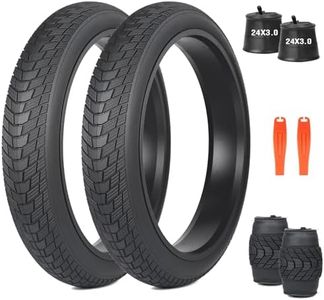
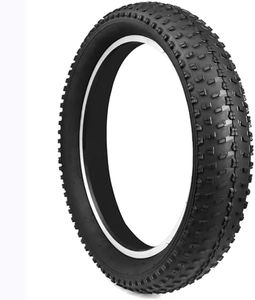
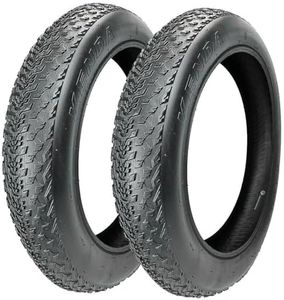
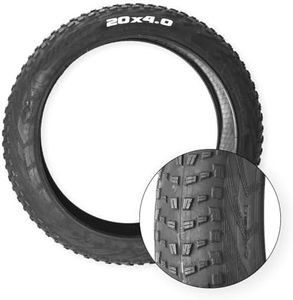
Choosing a fat-tire bicycle can be exciting, as these bikes are designed to let you ride on surfaces that traditional bikes can’t handle, like snow, sand, or rough trails. When shopping for a fat-tire bicycle, it's important to focus on the features that match where and how you plan to ride. By understanding the main aspects of the bike, you’ll be more likely to pick one that's comfortable, durable, and enjoyable to use. Always keep your riding environment and personal preferences at the center of your decision-making process.Tire WidthTire width refers to how wide the bike tires are. This is crucial because the wider the tires, the more grip and floatation the bike will have on soft or uneven surfaces such as snow or sand. Typical fat-tire bike tires range from about 3.8 inches up to 5 inches. Narrower fat tires (around 3.8-4 inches) can be lighter and faster for hard-packed surfaces and light trails. Wider tires (4.5-5 inches) provide more stability and floatation, which is excellent for deep snow or loose sand. Pick tire width based on the terrain you expect to ride most—if you'll be mostly on trails, go narrower; for deep, soft conditions, choose wider.
Frame MaterialFrame material determines the bike’s weight, strength, and comfort. Most fat-tire bikes come in aluminum, steel, carbon fiber, or sometimes titanium. Aluminum frames are lightweight and resistant to rust, making them a solid all-around choice. Steel frames are heavier but offer durability and a smoother ride due to their flex. Carbon fiber offers the lightest weight and best shock absorption but tends to be more expensive. Choose the frame material based on the balance you want between durability, comfort, and ease of handling for your intended riding style.
GearingGearing refers to the set of options for adjusting how much effort you need to pedal. Fat-tire bikes may come with a single speed or multiple gears. More gears (like 10-12 speeds) make it easier to tackle steep hills and diverse terrain, as they allow you to adjust your pedaling effort. Single-speed bikes are simpler and require less maintenance but can be tough on challenging surfaces. Consider your fitness level and whether you’ll be riding on flat lands or hilly, varied environments—more gears are helpful for tackling changes in elevation and rough conditions.
SuspensionSuspension on fat-tire bikes helps absorb bumps and shocks from rough terrain. Some bikes have no suspension (rigid), relying on the fat tires for cushioning, while others offer front (hardtail) or even full (front and rear) suspension setups. Rigid bikes are lighter and require less maintenance, suitable for smoother trails or packed surfaces. Front suspension provides added comfort for rough trails, while full suspension is best for the most technical or rocky environments. Think about how rough the places you ride are; if it's mostly rough or uneven, some suspension can make rides smoother.
Brake TypeBrake type determines your stopping power and safety. Fat-tire bikes usually offer mechanical or hydraulic disc brakes. Mechanical disc brakes are reliable and easier to service on your own. Hydraulic disc brakes provide more powerful, steady braking with less hand effort but can be more complex to maintain. For most riders, disc brakes are best for fat bikes, especially if you’ll be riding in wet, muddy, or snowy conditions where good stopping power is important. If you value easier maintenance, mechanical might suit you; if you want the best performance, hydraulic is preferable.
Wheel SizeWheel size is the diameter of the bike’s wheels, most commonly 26-inch or 27.5-inch on fat-tire bikes. Smaller 26-inch wheels are more agile and make it easier to handle technical trails, while 27.5-inch wheels roll over obstacles a bit more smoothly and can maintain speed better on open terrain. Choose 26-inch for tighter, twistier trails; pick 27.5-inch if you expect to cover more ground or want slightly easier rolling over rough patches.
Fit and Frame SizeFit and frame size are about making sure the bike is comfortable and safe for your height and body type. If the bike is too large or small, riding can be uncomfortable and even dangerous. Manufacturers provide size guides based on your height and inseam length. Always check these measurements before buying, and if possible, try the bike out to ensure you can reach the handlebars, pedals, and brakes comfortably. A proper fit helps prevent fatigue and injuries on longer rides.