10 Best Fat Tire Bikes
From leading brands and best sellers available on the web.By clicking on a link to a third party's website, log data is shared with that third party.
Related Products
Buying Guide for the Best Fat Tire Bikes
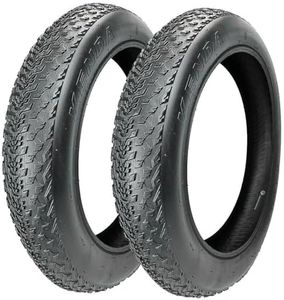
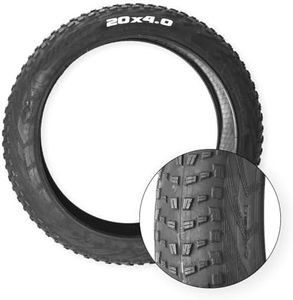
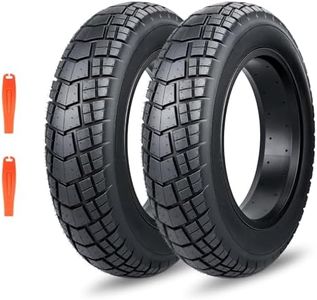
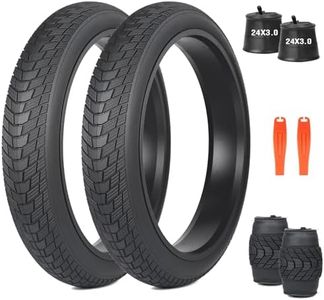
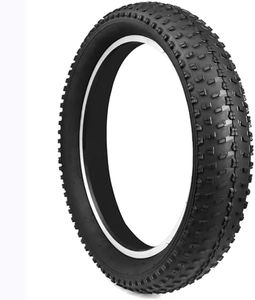
Fat-tire bikes are becoming increasingly popular for their ability to tackle rough terrains, sand, snow, and everything in between. Choosing the right fat-tire bike involves understanding your riding habits, the conditions you'll encounter most, and your comfort and performance needs. When comparing options, it's helpful to know what each key specification means and how it will impact your experience. Here are the most important specs to consider as you shop for a fat-tire bike, and how to decide which options suit you best.Tire WidthTire width is a defining feature of fat-tire bikes, usually measured in inches and ranging from about 3.8 to 5 inches. Wider tires provide more surface area, increasing grip and stability on loose or uneven ground like snow or sand. Narrower fat tires are lighter and easier to pedal on firmer ground, while the widest options are best for the softest, most unstable terrains. If you plan to ride mostly on snow, sand, or rugged trails, go wider; for mixed use or harder packed trails, a slightly narrower width may feel more efficient and responsive.
Frame MaterialThe frame material affects the bike's weight, durability, and overall feel. Common materials include steel, aluminum, carbon fiber, and sometimes titanium. Steel frames are durable and absorb bumps well, but they tend to be heavier. Aluminum frames are lighter and resist rust, while carbon fiber is very light and can dampen vibrations for a smoother ride but usually comes with a higher cost. Choose steel if you prioritize strength and comfort for slow-paced adventure rides, aluminum for a balance of lightness and cost, and carbon if you want the lightest, smoothest ride and care about performance.
DrivetrainThe drivetrain refers to the gears and the way power is transferred from your pedals to the wheels. Fat-tire bikes often feature wide gear ranges to deal with tough terrain, including steep hills and soft surfaces. A higher number of gears gives you more options for tackling climbs and accelerating on flats, while simpler drivetrains (with fewer gears) are easier to maintain and can be better if you ride mainly on consistent terrain. If you’ll be facing a lot of hills or unpredictable surfaces, a wide-range drivetrain is best; if not, a simpler setup might suffice.
SuspensionSuspension refers to the bike's ability to cushion impacts from bumps and obstacles. Some fat-tire bikes have rigid forks (no suspension), relying on the fat tires themselves for shock absorption; others include front suspension forks for extra comfort on rough terrains. Rigid setups are lighter and simpler, excellent for snow, sand, or smoother trails where the tires provide enough cushioning. If you expect lots of roots, rocks, or rougher mountain trails, front suspension will help keep your ride smooth and your hands comfortable.
Wheel SizeFat-tire bikes typically come with wheels ranging from 26 to 27.5 inches in diameter. Larger wheels roll over obstacles more easily and provide better traction and control at higher speeds, while smaller wheels can feel more nimble and responsive at lower speeds. If you want a bike that handles big bumps and rough terrain without much fuss, go for the larger size; if agility and handling in tight spaces matter more for your rides, a smaller wheel might serve you better.
BrakesBrakes on fat-tire bikes are usually disc brakes, either mechanical (cable-actuated) or hydraulic (fluid-actuated). Hydraulic brakes generally provide more stopping power and require less hand effort, especially important in wet, muddy, snowy, or sandy conditions where fat bikes excel. Mechanical discs are easier to maintain and fix yourself but might offer a little less stopping power. For most riders, especially those venturing into harsh conditions, hydraulic disc brakes are the safest bet; mechanical discs are fine if you value simplicity and do your own maintenance.
WeightThe overall weight of a fat-tire bike matters most when you need to carry it or maneuver it over obstacles. Heavier bikes can feel more stable and secure in rough conditions but are harder to transport and require more effort to ride uphill or for long distances. If you anticipate a lot of carrying, or you want a more nimble ride for longer excursions, look for the lighter options available within your preferred frame and tire size.