10 Best Felts For Pool Tables
From leading brands and best sellers available on the web.By clicking on a link to a third party's website, log data is shared with that third party.

Related Products
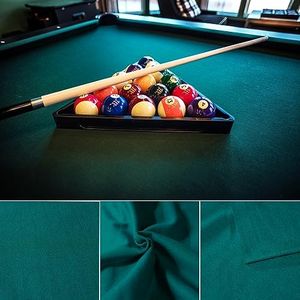
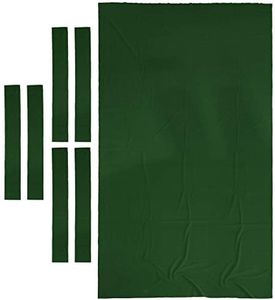
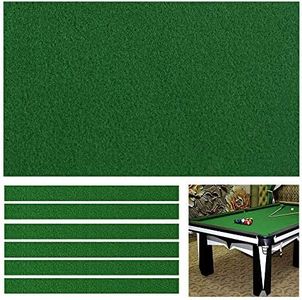
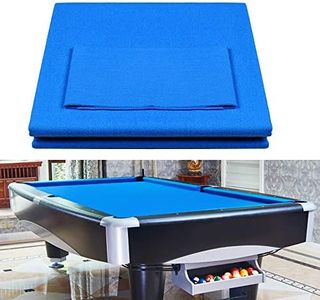
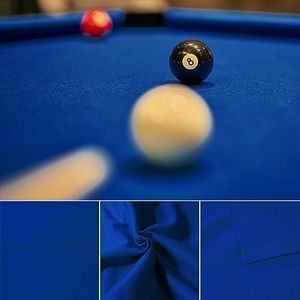

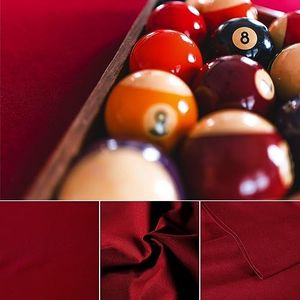
Buying Guide for the Best Felts For Pool Tables
Choosing the right felt for your pool table is an important decision, as it affects the way the game plays, the lifespan of your table, and your overall enjoyment. The felt, also called cloth, covers the playing surface and cushions, providing the smooth glide your pool balls need. When buying, consider both performance and durability, as well as how often and seriously you plan to play. Understanding key specs and how they impact play will help you make an informed choice tailored to your needs.MaterialThe material of the pool table felt is crucial because it determines the playability and longevity of your cloth. Most felts are made from either wool or a blend of wool and nylon, sometimes with a special weaving process. Woolen felt is thicker and slower, while worsted felt is tightly woven, smoother, and allows for faster ball travel. If you want a slower game and play mainly for fun, woolen felt is a fine choice. If you compete or like fast, consistent play, go with worsted felt.
Weight (oz per yard)The weight of the felt, usually measured in ounces per yard, refers to how heavy or dense the fabric is. Heavier felts are usually more durable and can handle more play, while lighter ones may wear out quicker but could be less expensive. For casual and home use, a medium weight felt can be a balanced option, providing decent longevity without being overly expensive. If you expect a lot of play or host frequent games, a heavier felt is recommended for durability.
NapThe nap refers to the tiny fibers that make up the surface of the felt. A napped cloth (common in traditional woolen felt) has a direction to the fibers, which slightly affects ball speed and spin. Non-napped felts, like worsted ones, have a smoother surface, so balls roll more consistently. Choose a napped cloth if you enjoy a classic English or barroom pool experience, but select a non-napped (worsted) felt for a more predictable and faster game typical of tournament play.
DurabilityDurability is all about how well the felt stands up to repeated use, pool cues, chalk, and even accidental spills. Some felts come with protective coatings that help them resist stains and pilling. Durability is especially important if your table will get constant use or if you have young players. For light recreational use, standard felts are usually adequate. If you expect your table to be used often or by many people, look for felts that specifically mention being durable or have additional coatings.
ColorThe color of the pool table felt doesn't just impact how your table looks; it also affects visibility during play. Traditional green is easy on the eyes and reduces glare, but felts are available in many other colors as well. If you want a personalized touch or a felt that matches your room, you have plenty of options. However, for optimal play, pick a color that provides good contrast with the balls and feels comfortable to look at for long periods.
Ease of InstallationSome felts are easier to install than others, largely because of their flexibility, weave, and thickness. If you plan to install the felt yourself, consider those that are designed for DIY installation—these may stretch more easily or come pre-cut for your table size. If you are hiring a professional, this may matter less. Choosing a felt that's simple to work with can save you time, frustration, and a better-finished look if you handle installation personally.