10 Best Fertilizers For Roses
From leading brands and best sellers available on the web.By clicking on a link to a third party's website, log data is shared with that third party.
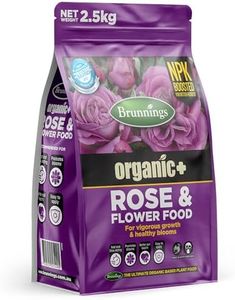
Related Products
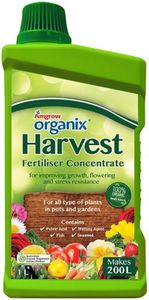
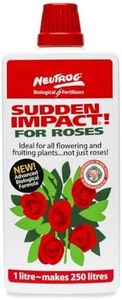
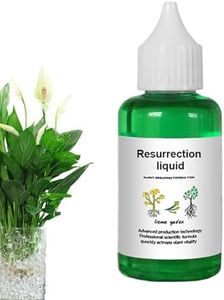
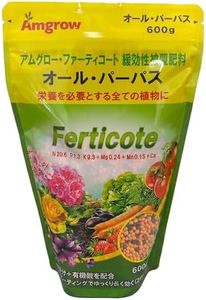
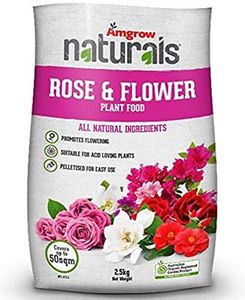
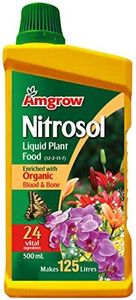
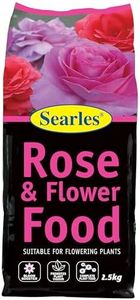
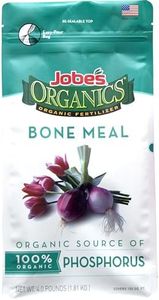
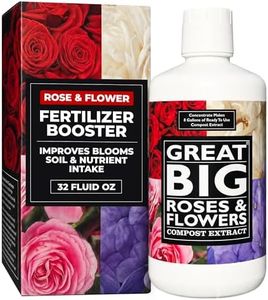
Buying Guide for the Best Fertilizers For Roses
Choosing the right fertilizer for your roses can make a big difference in how healthy and vibrant your plants are. Roses are heavy feeders and benefit from nutrients that help them grow strong stems, lush leaves, and lots of beautiful blooms. When picking a fertilizer, it’s important to look for options that deliver the kind of nutrition your roses need, considering both the growth stage of your plants and the type of soil in your garden.NPK RatioThe NPK ratio stands for the percentage of nitrogen (N), phosphorus (P), and potassium (K) in the fertilizer. This is a crucial spec because each nutrient supports different functions: nitrogen boosts leafy growth, phosphorus encourages root and flower development, and potassium helps with overall health and disease resistance. Fertilizers can have balanced ratios like 10-10-10, or ones with more phosphorus for blooming like 4-6-4. For roses, a slightly higher phosphorus number is usually favorable. If you want lush blooms, choose a fertilizer with more phosphorus; for overall plant health, a balanced formula works well. Base your choice on whether your roses need a push in flowering, root growth, or general vitality.
Type: Granular vs LiquidFertilizers come mainly in two forms: granular (solid pellets) and liquid. Granular fertilizers release nutrients slowly over time, making them great for less frequent application and consistent feeding. Liquids act faster, ideal if your roses need a quick nutritional boost, but they usually require more frequent use. If you're looking for convenience and steady nourishment, go for granular. If you’re comfortable with regular feeding and want quicker results, try liquid. Your routine, time available, and the current needs of your plants should help guide your choice.
Organic vs SyntheticThis spec refers to whether the fertilizer is made from natural materials (organic) or manufactured chemicals (synthetic). Organic fertilizers often improve soil health over time and are less likely to burn your plants, but they may release nutrients more slowly. Synthetic fertilizers act faster and usually provide a precise nutrient mix, but they might require more careful handling to avoid over-fertilizing. If you value long-term soil health and eco-friendliness, organic could be better; if you need quick, noticeable effects and don’t mind closer monitoring, synthetic might be for you. Consider your gardening philosophy and how hands-on you want to be.
Micronutrients and Trace ElementsBesides the main nutrients, good rose fertilizers also have small amounts of extra elements like magnesium, iron, or calcium. These help roses grow color-rich flowers and healthy foliage, and can prevent common problems like yellowing leaves. Some roses, depending on your soil, may not need extra micronutrients, while others will thrive with them. If you’re seeing poor growth or discoloration, consider a fertilizer with added micronutrients. Generally, these are a helpful bonus, especially if your soil is not very rich or has been used for many years.
Slow-Release vs Fast-ReleaseSome fertilizers are designed to release their nutrients slowly over weeks or months, while others deliver them quickly. Slow-release fertilizers cut down on the frequency of application and reduce the risk of burning your plants. Fast-release ones can give roses an immediate boost, useful at the start of the growing season or when you notice a sudden drop in plant health. If you prefer to ‘feed and forget’ for a while, slow-release is the way to go. If you like more hands-on, frequent care or have roses needing urgent attention, fast-release fits better.