We Use CookiesWe use cookies to enhance the security, performance,
functionality and for analytical and promotional activities. By continuing to browse this site you
are agreeing to our privacy policy
5 Best Fire Extinguisher For Boat Coast Guard Approved
From leading brands and best sellers available on the web.By clicking on a link to a third party's website, log data is shared with that third party.
Recommended lists
Top rated
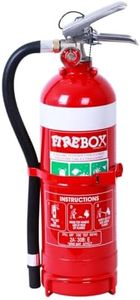
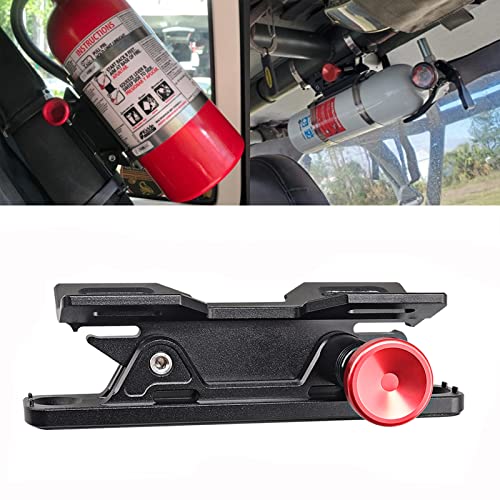
Fire Extinguisher For Utv
Buying Guide for the Best Fire Extinguisher For Boat Coast Guard Approved
Choosing the right fire extinguisher for your boat is important not just for safety, but also for compliance with Coast Guard regulations. Boats are unique environments where fire hazards can differ from those on land—think engine compartments, fuel storage, and tight quarters. When picking a fire extinguisher, you'll want to ensure it matches the size of your boat, the possible types of fires, and is easy for anyone onboard to access and operate. Understanding the different specifications will help you make an informed, reliable choice for your safety on the water.UL Rating/ClassThe UL rating or class tells you what kinds of fires the extinguisher can handle. Class B extinguishers put out fires in flammable liquids like gasoline, which is common on boats, while Class C covers electrical fires. Some extinguishers are multipurpose, covering more than one class. When selecting for a boat, make sure you pick one rated for at least B and C fires, since those are most likely on watercraft. Multipurpose extinguishers (like ABC) can be useful if your boat has a variety of risks.
Size/Cylinder CapacityThe size of a fire extinguisher is measured by the weight of its chemical contents, often in pounds. Smaller units (like 2.5 lbs) are easier to store and handle in tight cabin spaces, but provide shorter discharge times and less fire-fighting power. Larger extinguishers (5 lbs or more) deliver more chemicals and can handle bigger fires, but may be harder to store and operate. The size and type of your boat, along with Coast Guard guidelines, will help determine what size or how many extinguishers you need. A good rule is: the bigger the boat, the larger or more numerous your extinguishers should be.
Coast Guard ApprovalA fire extinguisher intended for boating must have certification from the U.S. Coast Guard to be legal and reliable. This approval means it has passed tests for reliability and effectiveness. When shopping, always check the label for a mark of Coast Guard Approval. Non-approved extinguishers may not be accepted in an inspection and might not work well in marine conditions.
Rechargeable vs. DisposableDisposable extinguishers are meant for a single use or until their charge is depleted, after which you replace the whole unit. Rechargeable extinguishers can be refilled and reused after being serviced by a professional. If your boat sees frequent use or is larger, a rechargeable model might be more cost-effective and reliable long-term. For smaller boats or infrequent use, disposables can be more convenient. Either type must always show a green operability indicator before every trip.
Mounting Bracket IncludedFire extinguishers on boats should be mounted where they are easy to reach, especially during an emergency. Many marine extinguishers come with a special mounting bracket for secure installation. This prevents the extinguisher from rolling around or becoming lost in rough waters. Make sure your extinguisher includes a marine-grade bracket and that you can locate it easily in case you need it fast.