10 Best Fireproof Document Safes
From leading brands and best sellers available on the web.By clicking on a link to a third party's website, log data is shared with that third party.
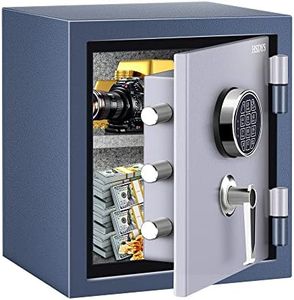
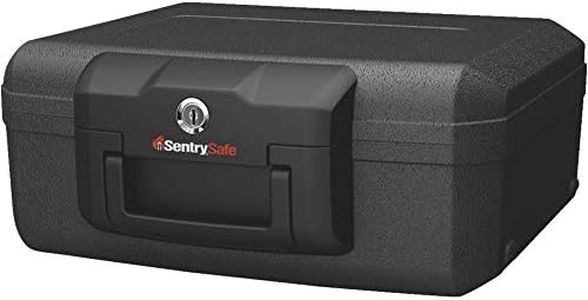
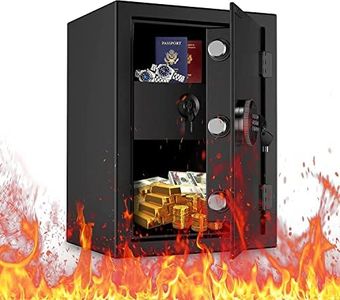
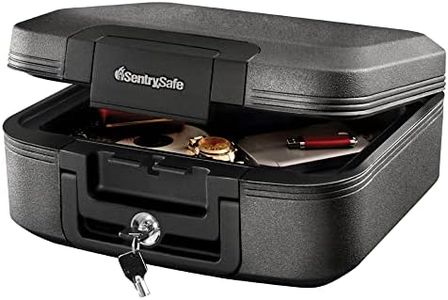
Related Products
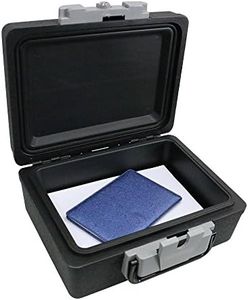
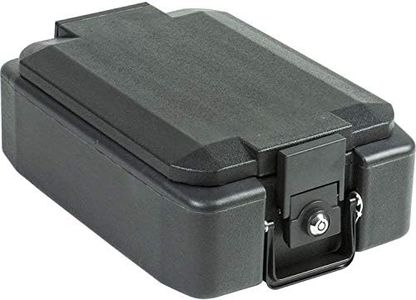
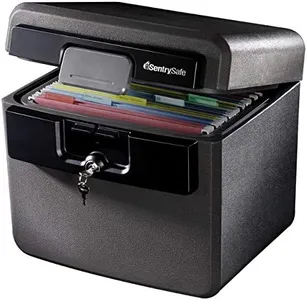
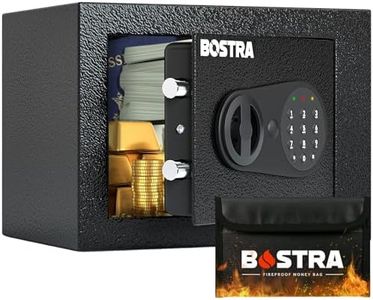
Buying Guide for the Best Fireproof Document Safes
Choosing a fireproof document safe can bring peace of mind by protecting your most important papers and valuables from fire damage. The goal is to find a safe that balances security, size, and practicality for your intended use—whether you're storing passports, legal documents, cash, or irreplaceable family photos. The right safe depends on understanding what you'll store and where you'll keep it, as well as knowing which features offer real security and which extras are mostly convenient details. Focus on core specifications like fire rating, capacity, and locking mechanism to make the best choice for your needs.Fire Rating (Duration and Temperature)The fire rating, often given in minutes or hours along with a temperature, shows how long a safe can protect its contents from fire before the internal temperature gets high enough to harm paper items. This is crucial because paper starts to char or combust at around 350°F (177°C). Fire ratings typically range from 30 minutes to 2 hours, usually at temperatures between 1200°F and 1700°F (649°C to 927°C). For most households, a 30-minute or 1-hour rating offers basic protection, while important or high-value documents may call for a safe with a 1–2 hour rating. Consider what’s practical for the most likely fire scenarios in your area and how long firefighting efforts might take before picking a rating.
Capacity/SizeCapacity tells you how much space is inside the safe, often measured in cubic feet or liters. This determines how many documents or items you can store. Small safes are suitable for essential papers and a few valuables, while larger models can hold binders, legal envelopes, or collections of documents. To pick the right size, consider what items need protection now and whether you might want to add more in the future. Measure your documents (like letter or legal size) and imagine efficient stacking—don’t forget about space for small electronics or media if needed.
Water ResistanceWater resistance protects documents not only from fire but also from potential water damage often caused by extinguishing a fire or from floods. Safes can offer various degrees of water protection, ranging from basic splash resistance to full submersion for a set period. If your safe is likely to be in an area prone to flooding or if you’re concerned about water from sprinklers or hoses, choose one with verified water resistance for added peace of mind.
Locking MechanismThe locking mechanism keeps your items secure from theft or unauthorized access. Safes commonly use key locks, combination dials, electronic keypads, or biometric (fingerprint) locks. Key locks are simple but can be lost, combination dials are durable, electronic keypads are quick but require working batteries, and biometric locks offer speedy access but may be less common. Consider who will need access, how quickly you need to open the safe, and whether you prefer the simplicity of a key or the security of a code or fingerprint.
Construction and WeightThe strength and thickness of the safe’s walls influence both its fire protection and security level. Heavy, solid construction means better insulation and harder to move, which can deter theft (thieves can’t just walk off with it). Lightweight safes are easier to install or relocate but may offer less resistance to both fire and brute force. You should decide whether portability or maximum protection is a higher priority for your situation, as heavier safes also may require a fixed location.
UL or Certified RatingsIndependent certification, often listed as a ‘UL’ (Underwriters Laboratories) fire rating, validates the manufacturer’s claims for fire and sometimes security protection. UL ratings are well-recognized and mean the safe has passed specific tests. Other organizations may also certify safes. It’s wise to look for certification if you want the most reliable guarantees and confidence that the safe truly performs as promised in extreme conditions.