10 Best Fishing Lines For Bass
From leading brands and best sellers available on the web.By clicking on a link to a third party's website, log data is shared with that third party.
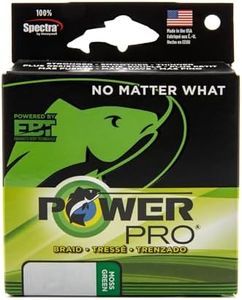
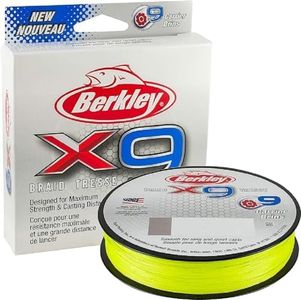
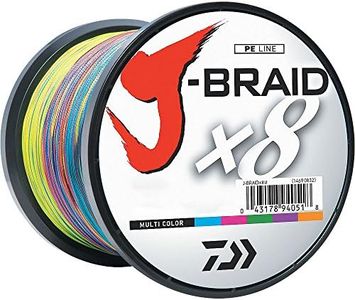

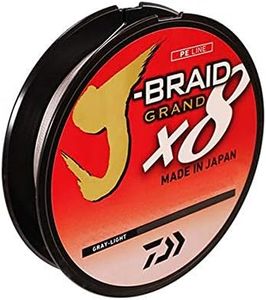
Related Products
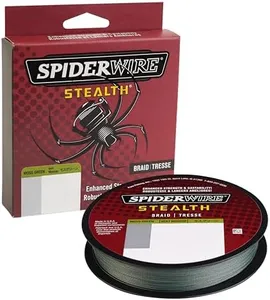

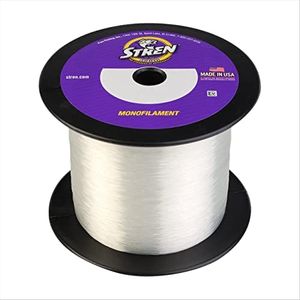
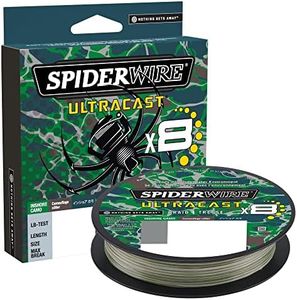
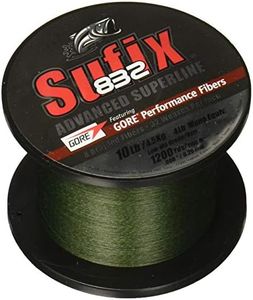
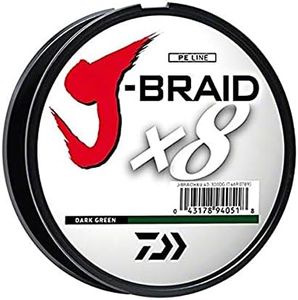

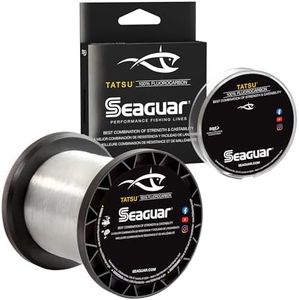
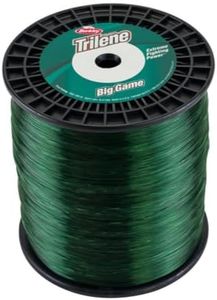
Buying Guide for the Best Fishing Lines For Bass
Choosing the right fishing line for bass is all about matching your gear and fishing style to the conditions you'll face on the water. The line you select will impact how far and accurately you can cast, how well you feel bites, and whether you can successfully land big fish, especially around obstacles like weeds or rocks. Understanding what to look for in a fishing line can help you enjoy a better fishing experience and make sure you don't lose that trophy bass.Line MaterialFishing lines are usually made from monofilament, fluorocarbon, or braided fibers. Monofilament is the classic, all-purpose choice, known for being easy to handle and forgiving—great if you're just getting started or prefer a versatile setup. Fluorocarbon is nearly invisible underwater, making it excellent in clear water where bass might be spooked, plus it's more abrasion-resistant. Braided line is very strong for its thickness and has little stretch, which helps you feel bites better and pull fish out of heavy cover; however, it's more visible to fish and can dig into itself on the reel. Choose based on your typical fishing location and whether you prioritize invisibility, sensitivity, or overall ease of use.
Pound Test (Strength)The pound test tells you how much weight the line can handle before breaking. Lower pound tests (around 6-10 lbs) are great for finesse fishing and clear, open water, making your bait look more natural to the fish. Medium pound tests (10-17 lbs) offer a balance—suitable for many bass fishing situations, from open water to light cover. Higher pound tests (20 lbs and up) are best for heavy cover or when targeting bigger bass that might dive into thick weeds or brush. Think about the size of bass you expect to catch and the type of environment you'll fish in to guide your choice.
Line DiameterLine diameter refers to how thick the line is. Thinner lines are less visible underwater, help lures dive deeper, and allow for longer casts. Thicker lines provide more strength but can be easier for bass to spot, especially in clear water. Matching line diameter to your fishing style helps; if you're fishing finesse baits or in clear, pressured lakes, use a thinner line. For heavy lures, big fish, or snag-filled areas, a thicker diameter is safer.
Line StretchLine stretch describes how much the line can expand under pressure. Monofilament stretches the most, which can help absorb the shock of sudden fish movements, making it beginner-friendly. Fluorocarbon has moderate stretch, offering sensitivity and some cushion. Braided lines have almost no stretch, giving instant feedback when a fish bites, which is great for detecting subtle strikes but requires sharper hook-setting. Your personal preference and fishing technique should determine whether you want more stretch (for forgiveness) or less (for sensitivity).
Abrasion ResistanceAbrasion resistance is the line's ability to withstand scraping against rocks, logs, and other underwater hazards. If you often fish in lakes or rivers with lots of cover—like submerged trees, rocks, or weeds—choose a line known for high abrasion resistance. This helps prevent break-offs when a bass tries to tangle you up. Mono offers decent resistance; fluorocarbon excels here; braid is strong but can sometimes be cut by sharp objects unless coated. Think about your typical fishing spots when deciding how much abrasion resistance you need.