10 Best Fishing Magnets
From leading brands and best sellers available on the web.By clicking on a link to a third party's website, log data is shared with that third party.
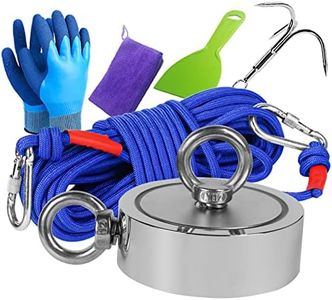

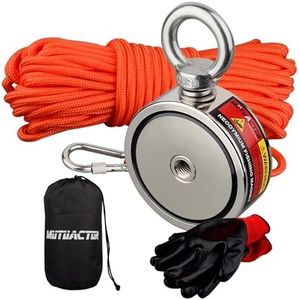
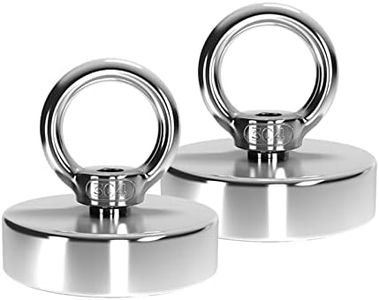
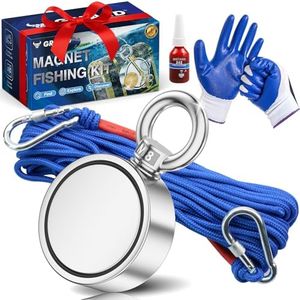
Related Products
Buying Guide for the Best Fishing Magnets
Buying a fishing magnet (also known as a magnet fishing or retrieval magnet) is an exciting adventure for anyone interested in searching for lost items or hidden treasures in rivers, lakes, or ponds. The right magnet can help you recover anything from coins to old tools or even bikes. When choosing a fishing magnet, there are a few main specifications you should understand, as these directly affect how successful and enjoyable your magnet fishing will be. Matching your magnet to your local spots and your own goals is important, so knowing what each key spec means will help you make the best choice.Pulling ForcePulling force, often measured in kilograms or pounds, specifies how much weight the magnet can hold against a flat steel surface under ideal conditions. This is important because it determines what size and weight of items you can successfully recover from the water. Generally, magnets with lower pulling force (below 200 lbs/90 kg) are suitable for beginners, children, or those targeting light objects like coins and small tools. Medium pulling force (200–800 lbs/90–360 kg) is more versatile, allowing you to retrieve heavier objects such as wrenches, fishing gear, or small bikes. High pulling force magnets (above 800 lbs/360 kg) are powerful and best for experienced users searching for heavy, large items, but they can be harder to handle and may stick stubbornly to bridges or docks. To choose the best one for you, consider what you expect to find, the environments you'll be searching (city canals may have heavier junk than quiet ponds), and your own strength—sometimes, bigger isn’t always better if you can’t retrieve the magnet yourself.
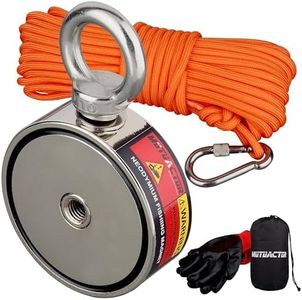
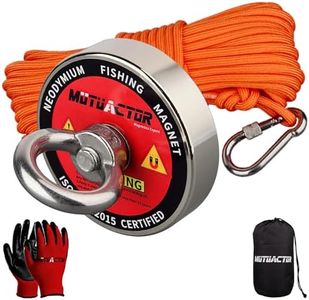
Magnet Type (Single-Sided vs. Double-Sided)Fishing magnets come with either one magnetic side (single-sided) or two (double-sided). Single-sided magnets only attract objects below them, making them a good option for vertical drops or for beginners who want a straightforward experience. Double-sided magnets can grab items from both sides, increase your chance of finding something, and are helpful for dragging along a riverbed or casting horizontally. If you plan to pull straight up from spots like bridges, a single-sided magnet may be enough. For more complex retrieval, especially if you'll be dragging or want to cover more ground, a double-sided magnet is a better fit.
Magnet Size and WeightThe size and weight of a magnet affect both its ease of use and retrieval power. Smaller, lighter magnets are easier to handle and throw, especially for beginners, younger users, or if you plan to fish from high places. However, larger and heavier magnets tend to have higher pulling forces, making them better for big finds but potentially more challenging to manage, especially when pulling off from magnetic surfaces. Pick a magnet size and weight that you can comfortably throw and retrieve repeatedly without getting tired, while still being strong enough for your hunting targets.
Coating and ProtectionMost fishing magnets are coated (often with nickel, copper, and other protective layers) to prevent rust and corrosion, as they are always exposed to water. Good-quality coating keeps your magnet strong, long-lasting, and safe to handle. If you plan to fish in saltwater, look for a magnet with enhanced corrosion resistance. For freshwater, most standard coatings suffice, but always check for any signs of chips or wear after use. Choosing a well-coated magnet helps ensure your investment lasts and performs as expected.
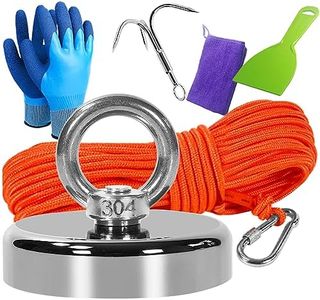
Attachment Point (Eyelet/Eyebolt)The attachment point is where you'll secure your rope. Some magnets have a fixed eyebolt, while others allow you to screw it into different places (top or side of the magnet). The right attachment style gives you more versatility; side attachments help for dragging, while top attachments are ideal for straight upwards pulls. Think about how you’ll use the magnet most—vertical dropping or horizontal dragging—and choose a model with a secure, well-built attachment that matches your preferred method of fishing.
Rope CompatibilityEven though some magnets are sold separately from the rope, it’s important to make sure the eyelet’s size and the magnet’s weight match your rope choice. Thicker ropes provide more strength and grip, which is essential as magnets and finds get heavier. Make sure to select a rope with enough diameter and strength to handle the maximum pulling force of your magnet for safe and easy retrieval.