We Use CookiesWe use cookies to enhance the security, performance,
functionality and for analytical and promotional activities. By continuing to browse this site you
are agreeing to our privacy policy
10 Best Fishing Shoes
From leading brands and best sellers available on the web.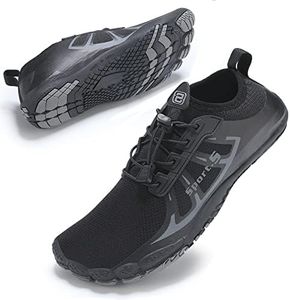
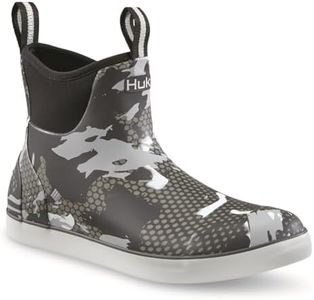
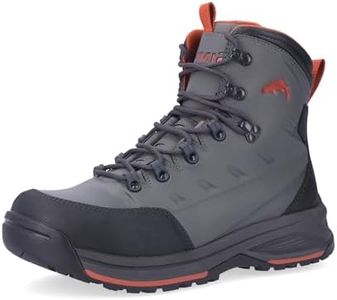
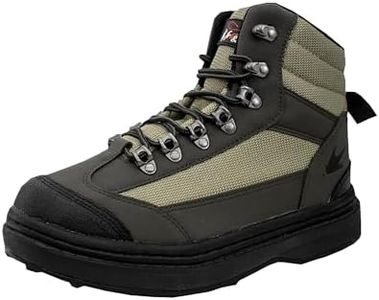
Related Products

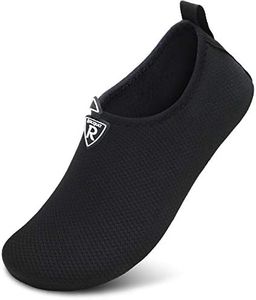
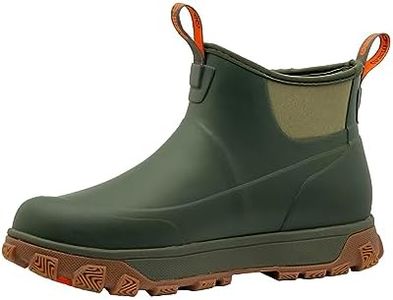
Buying Guide for the Best Fishing Shoes
Picking the right fishing shoes is all about matching your footwear to where and how you plan to fish. Comfort, safety, and durability are vital concerns, because you might spend hours standing in wet, slippery, rocky, or muddy environments. The right shoes will keep your feet dry, provide proper grip, and support your movement — making your fishing trips more enjoyable and safe.Water ResistanceWater resistance refers to how well the shoes can keep your feet dry when you encounter water, which is very common in fishing. Some shoes are water-resistant (they repel splashes), while others are waterproof (they completely block water entry). If you'll be wading into streams or standing in shallow water, waterproof is essential. For dry or only occasionally wet areas, water resistance may be enough. Consider the environments you fish in most often to pick what level of protection you need.
TractionTraction is about how well the shoe grips surfaces, helping you avoid slipping on wet rocks, muddy banks, or boat decks. Soles with special tread patterns or made from sticky rubber are good for slick environments, while less aggressive soles might be fine for smoother, dry surfaces. If you plan to walk on rocks or uneven terrain, look for shoes labeled as providing high traction to keep you secure.
Comfort and FitComfort and fit are crucial because fishing usually means standing, walking, or wading for long periods. Shoes with ample cushioning, ergonomic support, and proper sizing prevent fatigue and blisters. Try on shoes with the socks you'll wear fishing, and make sure there's enough room without being too loose. For long trips or all-day outings, prioritize comfort features in your choice.
DrainageDrainage refers to the shoe’s ability to let water escape, preventing your feet from staying soaked if water gets inside. Good fishing shoes often have mesh panels or built-in drainage holes. If you regularly fish in water or might accidentally step in, choose shoes with strong drainage so your feet dry faster and stay lighter.
Material and DurabilityThe materials used impact how tough and long-lasting your fishing shoes will be. Common materials include rubber, synthetic mesh, or leather, each with its own advantages. Rubber and synthetics dry quickly and are usually more resistant to water and abrasions, making them suitable for regular anglers. If you fish in rough environments, choose shoes made from durable, reinforced materials that can stand up to heavy wear.
WeightWeight refers to how heavy the shoes feel, especially when wet. Lightweight shoes are easier to move in and less tiring over time, while heavier shoes may offer more support and protection but might slow you down. If you value mobility or plan to cover a lot of ground, go lighter. For maximum foot protection or cold-weather fishing, heavier shoes might be worth considering.
Ease of CleaningEase of cleaning describes how simple it is to wash off mud, sand, or algae from your shoes after fishing. Some shoes, especially those with simple designs and fewer crevices, rinse clean quickly. If you often fish in dirty or mucky spots, look for fishing shoes that don’t trap dirt and can be hosed off or wiped clean without much effort.