10 Best Fitness Earbuds
From leading brands and best sellers available on the web.By clicking on a link to a third party's website, log data is shared with that third party.


Related Products
Up to 44% off
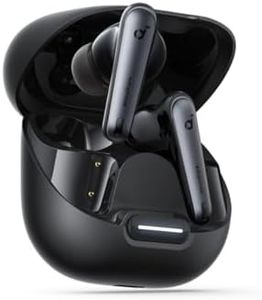
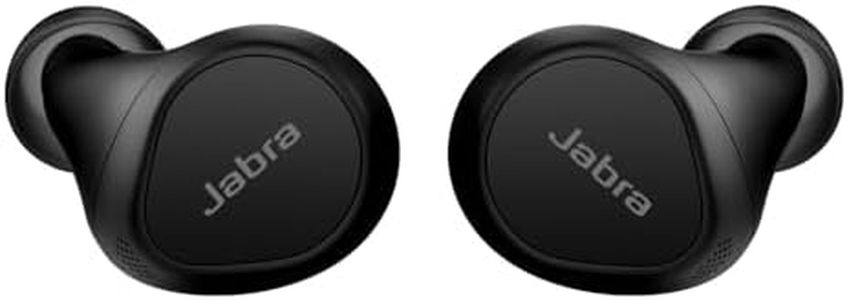
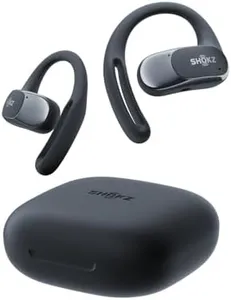
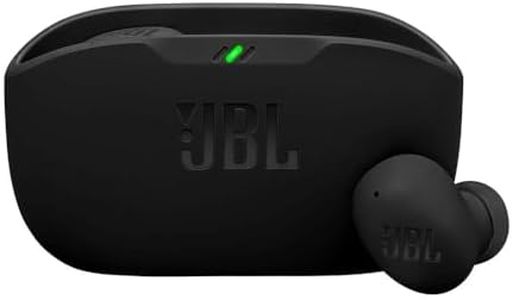

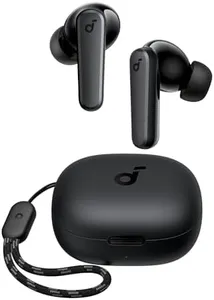
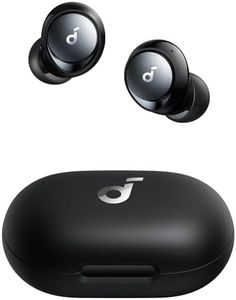
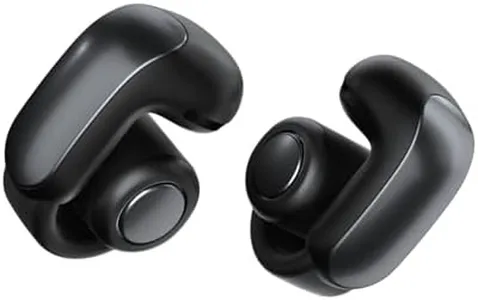


Buying Guide for the Best Fitness Earbuds
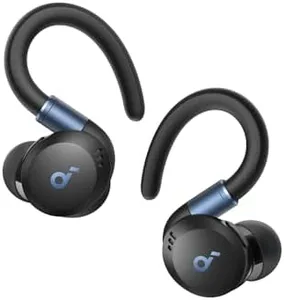
Choosing the right fitness earbuds can make your workouts more enjoyable and motivating. Since you'll be using them during physical activities, you should focus on comfort, durability, sound quality, and features that suit your exercise routine. Think about your workout environment: do you run outside or work out in the gym? Do you sweat a lot or get caught in the rain? Compatibility with your devices and ease of use while on the move are also important. The best approach is to identify where, how, and for how long you usually exercise, and then look for earbuds that properly match those needs.Fit and ComfortFit and comfort refer to how the earbuds feel in your ears during use, especially during movement and sweating. This matters because uncomfortable or poorly fitting earbuds can distract you or even fall out while exercising. Earbuds often come with different sizes of ear tips and fins, or have an over-ear hook design for extra stability. For shorter, less intense workouts, simple in-ear tips might suffice, but for long runs or high-intensity sessions, look for adjustable fittings or secure hooks to keep the earbuds in place. Consider your ear size and shape as well—testing various options ensures a snug, comfortable fit that you can wear for your entire workout.
Water and Sweat ResistanceWater and sweat resistance refers to the earbuds' ability to withstand moisture, which is crucial during workouts when you sweat or if you're caught in light rain. This is often measured using an IP rating. Lower ratings like IPX4 mean basic resistance to sweat and splashes, suitable for most gym sessions. Higher ratings like IPX7 provide protection against immersion in water, ideal for outdoor athletes or those who sweat heavily. To choose the right level, think about how sweaty your workouts get and whether you're likely to use the earbuds outdoors in various weather.
Battery LifeBattery life indicates how long the earbuds can play audio on a single charge. This is especially important for people with long workout sessions or those who don't want to recharge often. Earbuds may offer as little as 3-5 hours per charge, which is okay for short daily routines, while others provide 8 hours or more, suitable for long-distance runners or those who use them throughout the day. Some models offer an extra charging case that extends playtime, so consider your workout duration and whether you'll need a quick recharge between sessions.
Sound QualitySound quality is about how clear, balanced, and powerful the earbuds sound. Good audio can motivate you, while poor sound may ruin your experience. Some people prefer strong bass for high-energy activities, while others prioritize clear vocals for podcasts or audiobooks. Often, fitness earbuds focus on a balanced sound to accommodate various genres. Think about what you most often listen to during your workouts and choose earbuds that match your preference, whether that's deep bass for music or crisp clarity for spoken content.
Noise Isolation and Awareness ModesNoise isolation reduces the amount of outside noise you hear, helping you focus, whereas awareness or ambient modes let in external sounds so you can stay aware of your surroundings. If you work out in a busy gym or noisy area, some isolation is helpful, but if you run outdoors or in city streets, an awareness mode is important for safety. Look for earbuds that provide a balance or the ability to switch between modes, and consider your exercise environment when deciding what's best for you.
Controls and Ease of UseControls and ease of use refer to how simply you can manage playback, volume, or take calls without reaching for your phone. Most fitness earbuds offer physical buttons or touch controls. Touch controls look sleek but can be sensitive to sweat, while physical buttons offer better accuracy when moving. If you want to quickly pause music or answer a call mid-workout, choose controls that are intuitive and work well with sweaty hands. Think about how often you'll want to adjust settings while on the move, and which control style feels most natural to you.
ConnectivityConnectivity determines how the earbuds connect to your phone or device, typically via Bluetooth. Reliable and stable connectivity ensures your music doesn't cut out during exercise. Some earbuds offer additional features like multi-device pairing if you switch between a phone and smartwatch. Consider what devices you'll use most often and make sure the earbuds are easily compatible with them, looking for versions of Bluetooth that support quick and stable connections during movement.
Microphone QualityMicrophone quality matters if you plan to take calls or use voice assistants during your workouts. A good microphone will pick up your voice clearly, even in windy or noisy environments. If you often make calls while exercising, prioritize earbuds with noise-reducing or wind-resistant microphones. If calls are rare for you during fitness sessions, a basic mic may be enough.