We Use CookiesWe use cookies to enhance the security, performance,
functionality and for analytical and promotional activities. By continuing to browse this site you
are agreeing to our privacy policy
10 Best Flight Pillows
From leading brands and best sellers available on the web.By clicking on a link to a third party's website, log data is shared with that third party.
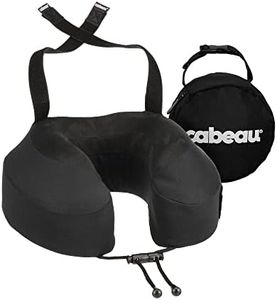
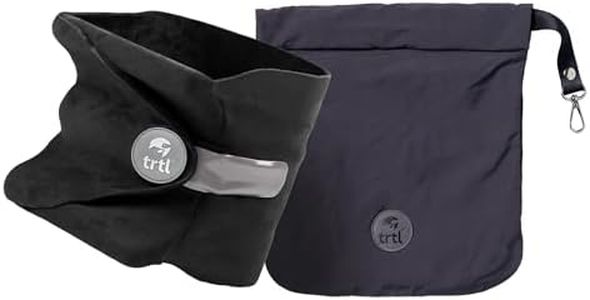
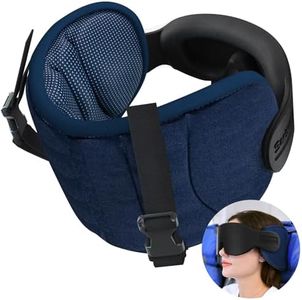
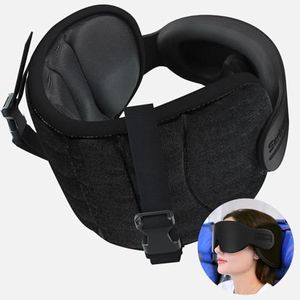
Related Products
Up to 16% off
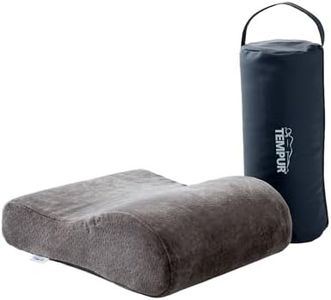
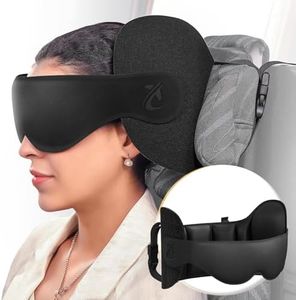
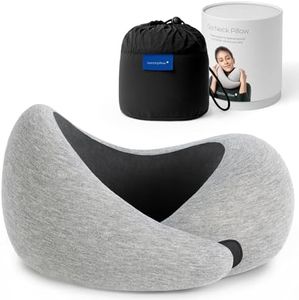
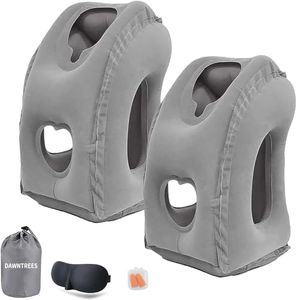
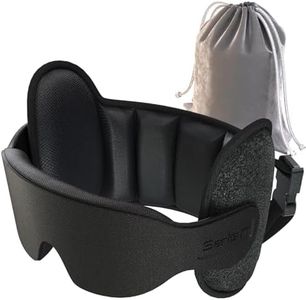

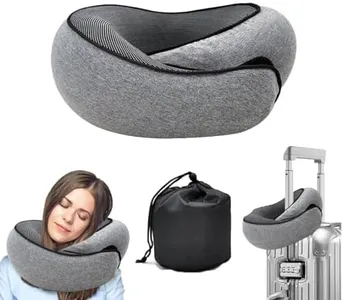
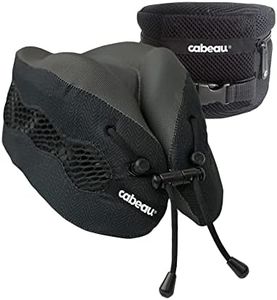

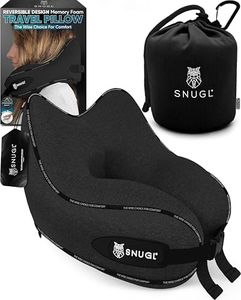
Buying Guide for the Best Flight Pillows
Choosing the right flight pillow can make a huge difference in how comfortable you feel during a journey, especially on long-haul flights. The right pillow supports your neck and helps you rest easier, reducing stiffness and fatigue. When picking a flight pillow, it’s important to look at key features and think about your personal needs, sleeping habits, and the type of travel you do most often.Pillow ShapeThis refers to the overall design of the pillow—common options include U-shaped, wrap-around, and rectangular. The shape affects how the pillow supports your head and neck while you’re seated. U-shaped pillows are designed to support your neck and prevent your head from falling side to side, making them good for most airplane seats. Wrap-around pillows provide extra chin and side support, which is good if you tend to nod forward. Rectangular or flat pillows can double as regular pillows but may not stay in place as firmly. If you tend to sleep upright, U-shaped or wrap-around pillows can help, while side-sleepers or those looking for versatility might prefer a rectangular style.
Material FillingFlight pillows are typically filled with memory foam, microbeads, air, or traditional polyester fiber. The filling impacts comfort, support, and packability. Memory foam offers firm, contouring support and is great for those needing extra neck stability, but it can be bulkier. Microbead fillings feel soft and flexible, molding to your shape but sometimes lose support over long periods. Inflatable (air-filled) pillows are light and compact, perfect for those wanting easy packing, but they may not be as supportive. Consider how much neck or head support you personally need and how important portability is to you when picking a filling.
Cover FabricThis is the outer material of the pillow that touches your skin. Most covers are made from velour, cotton, microfiber, or synthetic blends. This affects the pillow’s breathability, softness, and how easy it is to clean. Velour and microfiber are soft and cozy but may feel warm; cotton is breathable and good for sensitive skin; and synthetic blends are often more durable and easy to wipe clean. If you have sensitive skin or tend to get warm, look for more breathable fabrics. If you want something easy to wash, check if the cover is removable and machine-washable.
PortabilityThis spec considers how compact and light the pillow is for travel. Some pillows compress or come with carrying bags, while inflatable options deflate for even smaller packing. Consider how much space you have in your carry-on and whether you prefer something that attaches to luggage or fits inside a bag. If you travel light or frequently, prioritize a pillow that can pack down small or be clipped to your backpack.
Support LevelSupport level describes how firm or soft the pillow feels and how well it keeps your neck aligned. Some people prefer very firm pillows for upright support, especially on long flights, while others like softer pillows for a cozier feel. Think about how much support you usually need while sleeping and whether you have any issues like neck pain. If you struggle with neck strain, go for a firmer or memory foam model; if comfort is your priority, a mid-level or softer pillow may be best.