10 Best Folding Beach Chairs
From leading brands and best sellers available on the web.By clicking on a link to a third party's website, log data is shared with that third party.
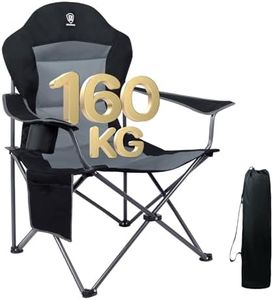
Related Products
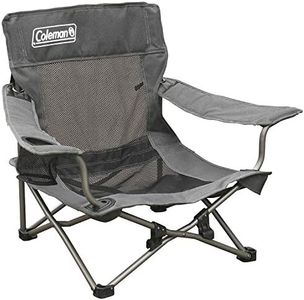
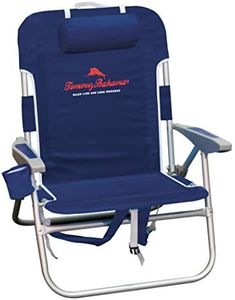
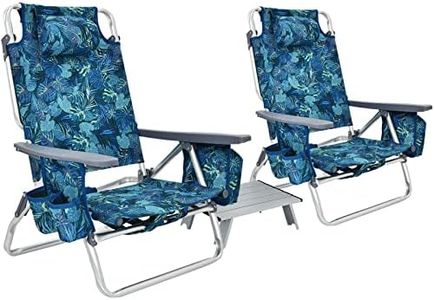
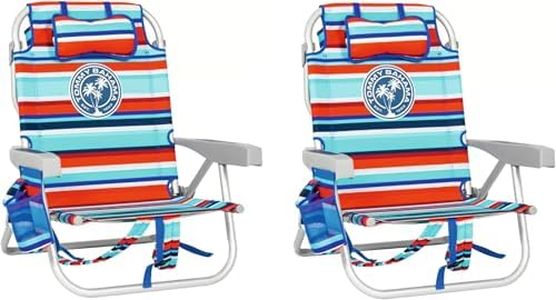
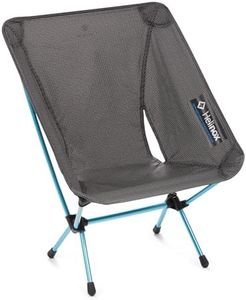
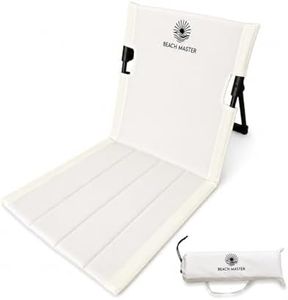
Buying Guide for the Best Folding Beach Chairs
Choosing the right folding beach chair can make your time outdoors far more enjoyable, whether you’re relaxing at the shore, watching a game, or attending a picnic. The main goal is to identify a chair that suits your comfort preferences, is easy to handle and carry, and can withstand the conditions where you'll use it most. By understanding the main features, you’ll be able to narrow down your options and select a chair that enhances your outdoor experience.Weight CapacityWeight capacity refers to the maximum amount of weight a chair can safely support. This is important not just for safety, but also for the chair’s longevity and stability. Most beach chairs support between 200 to 300 pounds, with some heavy-duty options going higher. If you are on the heavier side or want to share the chair occasionally with kids sitting on your lap, look for higher weight limits. Always check the manufacturer's recommendations to ensure the chair will be secure for the intended user.
Chair Height (Seat Height from Ground)The seat height measures how far the chair’s sitting surface is from the ground. Low chairs (typically 8-12 inches) are great for stretching out and lounging close to the sand, while higher chairs (closer to 15-18 inches) make it easier to stand up and sit down, which is more comfortable for adults and those with mobility concerns. Think about how you use the chair most—if you like to sprawl by the water, a low chair could be best, but if you prefer easy in-and-out access, opt for a higher chair.
Portability and WeightPortability refers to how easy it is to carry and transport the chair, often linked with how much the chair weighs. Lightweight chairs (under 7 pounds) are easier to carry, especially if you need to trek a distance to the beach or carry other gear. Heavier chairs may offer more features or durability but can be cumbersome for some. Consider how far you’ll be lugging the chair and whether you need to carry multiple items at once.
Frame MaterialThe frame material impacts both durability and comfort. Aluminum frames are lightweight and rust-resistant, making them ideal for the beach, while steel frames are generally heavier but may be sturdier. Plastic frames can be lightweight but may not be as durable in the long run. If you plan to use your chair frequently by the sea, prioritize rust resistance and ease of carrying.
Fabric MaterialFabric is what you’ll sit on, so comfort and durability matter. Synthetic fabrics like polyester and nylon are common because they dry quickly and resist fading or stretching. Mesh panels can improve breathability on hot days. Some fabrics are padded for extra comfort, but these may dry slower if they get wet. Consider whether you’ll often be wet or sandy and whether you care more about comfort or easy cleaning and drying.
Recline PositionsSome folding beach chairs offer multiple recline positions, letting you sit upright for reading or eating, or lean back to relax and sunbathe. A simple chair may have only one or two settings, while more adjustable models offer a range. If versatility and comfort are important, choose one with several recline positions. If you mostly use the chair for short breaks, a simpler design will do.
Extra FeaturesExtra features can enhance convenience and enjoyment, including cup holders, storage pouches, headrests, canopies for sun protection, or backpack straps for carrying. Decide which features align with your activities. For example, if you spend hours outside, a canopy or cup holder might be essential, while those who walk long distances prefer backpack straps.