10 Best Folding Trekking Poles
From leading brands and best sellers available on the web.By clicking on a link to a third party's website, log data is shared with that third party.
Related Products
Up to 11% off
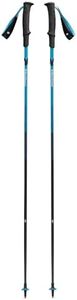
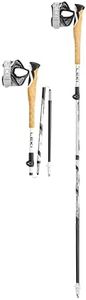
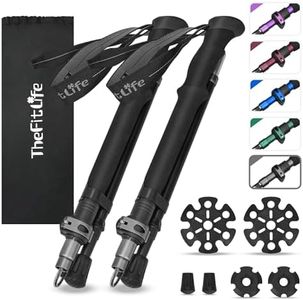
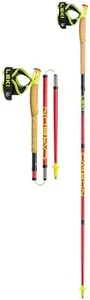
Buying Guide for the Best Folding Trekking Poles
Choosing the right folding trekking poles can make your outdoor adventures more enjoyable, comfortable, and safe. Trekking poles help with balance, reduce stress on your knees, and can support you on rough or steep terrain. Folding trekking poles are especially popular because they're lightweight and pack down small, making them easy to carry or stow when not in use. To pick the best fit for your activities and needs, it's important to understand the core specifications and how they impact performance and comfort.WeightWeight refers to how heavy or light the trekking poles are, usually measured per pair. Lighter poles are easier to carry and cause less fatigue during long hikes, which is especially beneficial for fast hikers or those covering many miles. Heavier poles might provide a sturdier feel but can weigh you down over time. Ultralight poles (under 400 grams per pair) are ideal for fast-packers or minimalist hikers, while mid-weight options (400-600 grams) suit most recreational hikers. Heavier poles (over 600 grams) might suit people prioritizing robustness over lightness. To pick what's right for you, consider how much weight you're comfortable carrying and what kind of hiking you'll do most often.
Packed LengthPacked length means how short the poles become when folded, which affects how easily you can stow them in your bag or attach them outside. The shorter the folded length, the more packable the poles are—great for travelers, climbers, or people with small backpacks. Folded lengths vary, with some compressing to as little as 33-40 centimeters, while others may be bulkier at 45-60 centimeters. Think about your pack size and whether you’ll need to store the poles away often when deciding what folded length suits your needs.
AdjustabilityAdjustability refers to whether and how much you can change the length of the poles. Some folding trekking poles have fixed lengths, making them lighter and simpler but less flexible. Others allow for some adjustment, usually through telescoping sections or quick-lock mechanisms. Adjustable poles are helpful if you’ll be on varied terrain, want to share the poles with others, or need to change the length for uphill or downhill hiking. If you mostly stick to level ground or know exactly what length works for you, fixed-length poles can be a good choice. Otherwise, some adjustability provides useful versatility.
MaterialMaterial affects weight, durability, and price. Most folding trekking poles are made from aluminum or carbon fiber. Aluminum poles are generally more affordable and durable, handling knocks and bends well, but are heavier. Carbon fiber poles are much lighter and can absorb vibrations better, making them comfortable for long days, though they are usually more expensive and can break more easily under high stress. For regular, rough, or rocky hikes, sturdy aluminum may be best. For lightweight backpacking or if every gram counts, carbon fiber could be worth it. Consider your terrain, how you intend to use the poles, and whether weight or strength is your biggest priority.
Grip and Strap DesignThe design and material of the grip (handle) and straps affect comfort and control, especially over long periods. Grips are typically made from foam, cork, or rubber. Foam is soft and absorbs sweat, cork molds to your hand over time and deals well with temperature changes, and rubber is durable, especially in wet conditions. Straps should be easy to adjust and comfortable against your skin to reduce friction and blisters. If you’ll be hiking in hot weather, foam or cork may be best. For wet or winter conditions, rubber grips might offer a better hold. The shape and stretch of the straps will matter most for those with sensitive hands or who plan multi-day treks.
Locking MechanismThe locking mechanism is what keeps folding poles extended during use. Common types include external lever locks or internal tension (push-button) systems. Lever locks are easy to adjust with gloves and reliable, while push-buttons are quick and simple but may offer less adjustability. If you want the fastest, simplest set-up, push-button locks may be enough. For more flexibility or adjusting pole length on the go, external lever locks are handy. Consider how often you’ll adjust your poles and whether you’ll be wearing gloves when using them.