10 Best Foods For Puppies
From leading brands and best sellers available on the web.By clicking on a link to a third party's website, log data is shared with that third party.
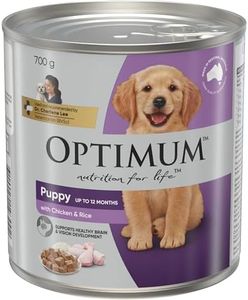
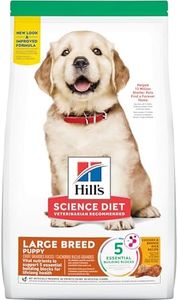
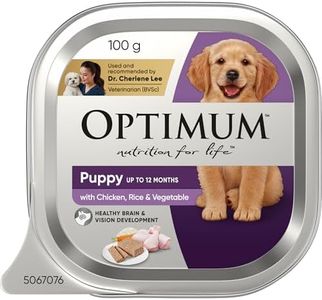

Related Products
Up to 10% off
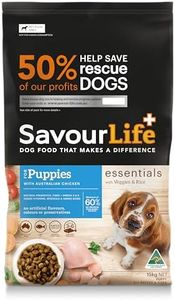
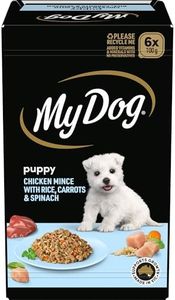
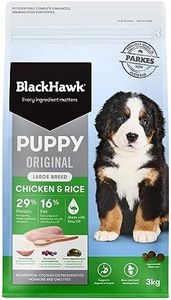
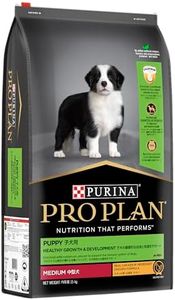
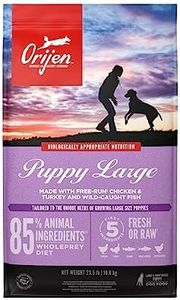
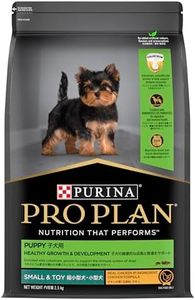
Buying Guide for the Best Foods For Puppies
Choosing the right food for your puppy is one of the most important decisions you can make as a new pet owner. The right puppy food supports healthy growth, strong bones, a shiny coat, and a robust immune system. Since puppies have different nutritional needs than adult dogs, picking a balanced and appropriate food will help give your pup the best start in life. It’s important to pay attention to what’s actually in the food and how those ingredients meet your puppy’s stage of development.Protein ContentProtein is essential for your puppy’s growth because it helps build strong muscles and tissues. Puppy foods typically have higher protein levels than adult dog formulas to help meet these needs. For most puppies, look for food with protein levels between about 22% and 32%, depending on the brand. Higher protein is particularly important for active breeds and large breed puppies. If your pup is more laid-back or a small breed, a moderate protein level can be just fine. The main thing is to ensure your puppy’s food lists a good animal protein (like chicken, beef, or fish) as one of the top ingredients.
Fat ContentFat provides energy and supports a puppy’s growing brain and body. Puppy food usually contains more fat than adult food because growing puppies need the extra calories. Most puppy diets contain between 8% to 20% fat. Smaller or more active breeds may benefit from a higher fat content for energy, while less active puppies or those prone to gaining weight can do well on the lower end of the spectrum. Make sure your puppy’s food includes healthy fats, like those from fish oil or chicken fat.
Calcium and Phosphorus LevelsBoth calcium and phosphorus are critical for developing strong bones and teeth. However, the balance is just as important as the amount, especially for large breed puppies who grow rapidly and can be prone to bone issues if the levels are wrong. Look for puppy foods with controlled calcium and phosphorus levels; in general, the calcium-to-phosphorus ratio should be about 1.2:1. If you have a large breed puppy, consider foods specifically labeled for large breeds, as they’re often formulated with your puppy’s bone health in mind.
Kibble Size and TextureThe size and texture of the food matters because puppies have small jaws and developing teeth. Puppy foods are often made into smaller, softer kibbles to make chewing and swallowing easier. Toy and small breed puppies usually do best with tiny kibble, while large breed puppies can handle bigger bits but may prefer foods labeled for large breeds to make eating easier. If your puppy struggles with dry kibble, you can look for moistened foods or mix kibble with a bit of water.
Digestibility and IngredientsPuppy foods use different ingredients, and some are easier on sensitive stomachs than others. Highly digestible foods often have named meat sources and avoid unnecessary fillers like corn, soy, and artificial additives. If your puppy has a sensitive tummy, stick with foods featuring simple, recognizable ingredients, and avoid frequent switching between brands or formulas. Watch how your puppy reacts to ingredients—healthy puppies usually have normal stools, shiny coats, and plenty of energy.
AAFCO StatementAn AAFCO (Association of American Feed Control Officials) statement shows that the food meets the minimum nutritional requirements for puppies. The label should say the food is formulated for growth or all life stages, not just for maintenance. This ensures your puppy gets all the essential nutrients for healthy development. Always check for this statement as a quick way to weed out foods that don’t meet the minimum standards for puppy health.