10 Best Frost Cloth
From leading brands and best sellers available on the web.By clicking on a link to a third party's website, log data is shared with that third party.
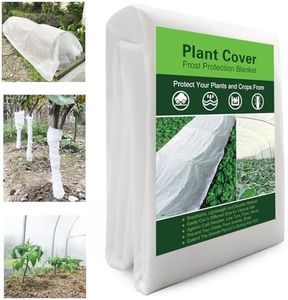
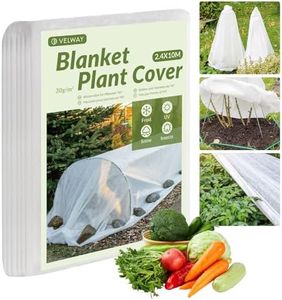
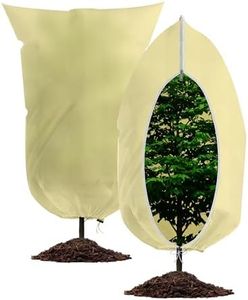
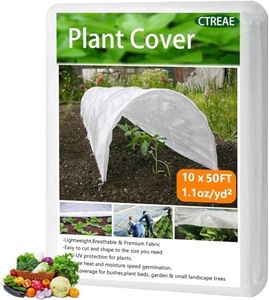
Related Products
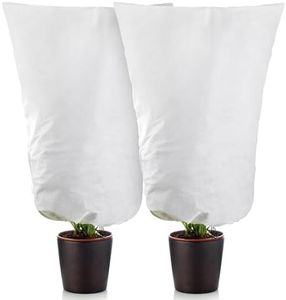
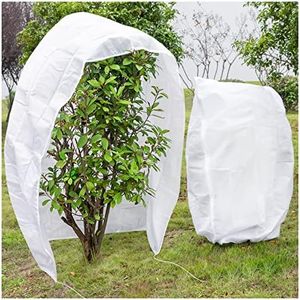
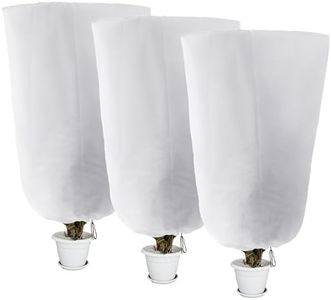
Buying Guide for the Best Frost Cloth
When it comes to choosing the right frost cloth, it's all about making sure your plants are protected from low temperatures, frost, and potential freeze damage, especially during the colder months. Choosing the right frost cloth depends on factors like what kind of plants you want to protect, the climate in your area, and how easy the cloth is to use and store. Understanding the main specifications will help you make an informed decision and ensure your plants stay healthy and safe through cold snaps.Material Weight (GSM or Ounces per Square Yard)Material weight tells you how thick and dense the frost cloth is, usually measured in grams per square meter (GSM) or ounces per square yard. Heavier weights offer more warmth and protection, but may let in less light and be less breathable. Lighter weights provide less frost protection but more sunlight and airflow, which is good for delicate plants or regions with mild winters. If you're expecting light frost or just need a small temperature boost, go for a lighter cloth (like 0.5-1.0 oz/yd²). For heavy frost or freezing conditions, opt for a thicker cloth (1.5 oz/yd² and up). Picking the right weight depends on how cold it gets in your area and how sensitive your plants are to cold.
Light TransmissionLight transmission refers to how much sunlight passes through the cloth, usually given as a percentage. Higher light transmission (70–90%) means your plants still get plenty of sunlight while being protected, which is important for healthy growth. Lower light transmission (less than 50%) blocks more sun, which is good if you want to slow down growth or avoid sunburn, but too little can weaken your plants. Decide what your plants need: if they're growing actively, pick higher light transmission; if they're dormant or you want maximum cold protection, you can use a cloth with less.
BreathabilityBreathability means how easily air and moisture pass through the cloth. Good breathability prevents mold, rot, and overheating, keeping plants healthy underneath. Thin, lightweight frost cloths usually have better airflow, while thicker ones may trap more moisture. If you live in a wet or humid area, or if you plan to keep the frost cloth on for many days, look for one labeled as breathable or designed for extended use. For short bursts of cold, breathability matters less.
Size and CoverageThe size and coverage refer to the dimensions of the frost cloth and how much area it can protect. Larger cloths can cover full garden beds or multiple plants, while smaller sizes are for individual shrubs or potted plants. Think about how many and what size of plants need protection, and whether you want to wrap, drape, or tent the cloth. It's usually better to get a slightly bigger cloth than you think you need so you can anchor it well and cover all sides.
Durability and ReusabilityDurability is about how well the frost cloth holds up to weather, sun exposure, and handling. Some frost cloths are single-use and may degrade after exposure to sunlight or rain, while others are more robust and can be reused for many seasons. If you want something that lasts, look for UV resistance and reinforced edges. If you only need protection for a short period, single-use options might work. Match the durability to how often and for how many seasons you expect to use it.
Ease of InstallationEase of installation means how simple it is to set up and secure the frost cloth over your plants. Some cloths come with built-in grommets, ties, or stakes to make installation faster and easier, while others are just cut fabric. If you need to cover a large area by yourself or move the cloth on and off frequently, choose options that have features for easy fastening and adjustment. For one-time or temporary use, this may be less important.