We Use CookiesWe use cookies to enhance the security, performance,
functionality and for analytical and promotional activities. By continuing to browse this site you
are agreeing to our privacy policy
10 Best Fruit Tree Spray
From leading brands and best sellers available on the web.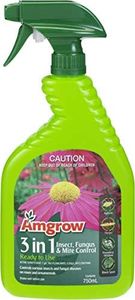
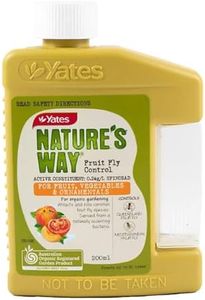

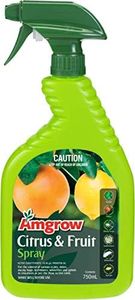
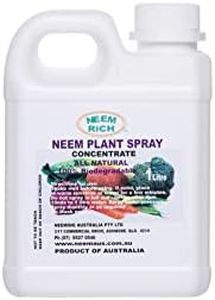
Related Products


Buying Guide for the Best Fruit Tree Spray
Choosing the right fruit tree spray can help protect your trees from pests and diseases, allowing for healthy growth and better fruit production. Before making a choice, it's important to consider what problems you are dealing with, such as insects, fungi, or nutritional needs, as different sprays are designed for specific purposes. Be sure to read the labels carefully to ensure compatibility with your tree type and the issues you want to address, and always pay attention to safety and environmental instructions.Type of Spray (Insecticide, Fungicide, or Combination)The type of spray refers to what the product is designed to target: insecticides control insect pests, fungicides address fungal diseases, and combination sprays handle both. Identifying your tree’s main problems is the first step; for example, if you notice spots or mold, a fungicide might be best, while visible insects call for an insecticide. If you want broad protection and are unsure what the problem is, a combination spray might be appropriate. Pick one that matches your tree’s typical threats, but also avoid over-treating by understanding what issues are most common in your area.
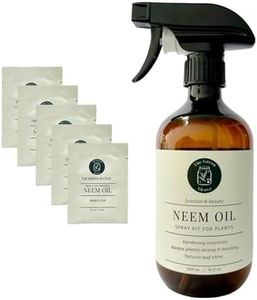
Active IngredientsActive ingredients are the chemicals or natural compounds that do the work in the spray. They can be synthetic or organic. Knowing them helps you match the spray to your needs—some ingredients are better for certain pests or diseases. For example, neem oil is a common natural ingredient that targets various issues gently, while stronger chemicals might offer faster results but come with higher risks to beneficial insects or pets. Decide if you prefer a natural approach or are dealing with a tough infestation that may require something stronger.
Application Timing and FrequencyThis describes when and how often you need to use the spray. Some sprays should be applied before bud break or after fruit set, while others can be used throughout the growing season. Understanding this helps protect your trees effectively and avoid harm to pollinators or fruit. If you have limited time or don’t want to spray frequently, look for a product with longer-lasting protection. If you’re trying to address specific conditions, such as a noticeable outbreak, timing your applications as directed is key for best results.
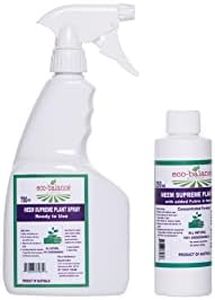
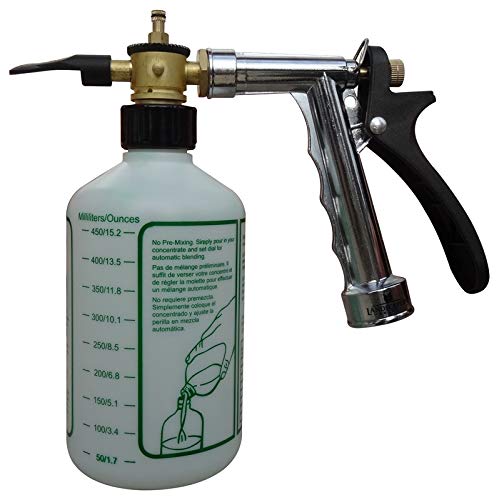
Coverage and Ease of UseCoverage describes how much area or how many trees the product will treat, and ease of use includes instructions and whether you need to mix it yourself or it’s ready-to-use. For a small yard or just one or two trees, a ready-to-use spray in a small bottle might be ideal. If you have many trees or a large garden, look for concentrates that can be diluted for a better value. Also, consider if you need a special sprayer, or if the product comes in a user-friendly container.
Safety and Environmental ImpactSafety includes how the product affects people, pets, wildlife, and the environment. Some sprays are safer for use around children and pollinators, while others might require more caution. If you want to minimize impact, look for sprays labeled as organic or safe for bees. Always consider your local environment and select a spray with the right safety warnings and recommendations for your scenario.