10 Best Furniture Paints Selections
From leading brands and best sellers available on the web.By clicking on a link to a third party's website, log data is shared with that third party.
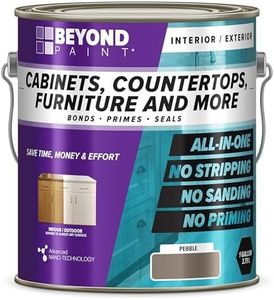
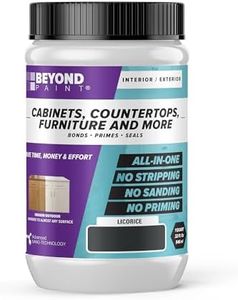
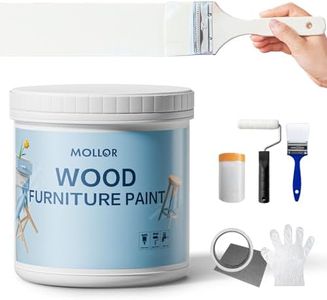
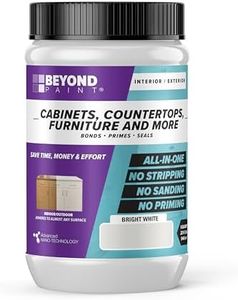
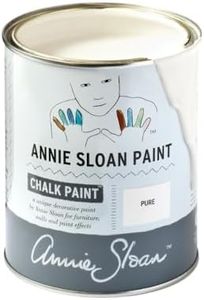
Related Products
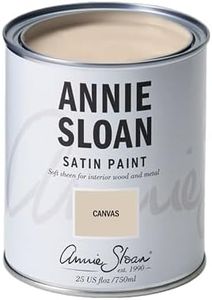
![Chalk Style Paint - for Furniture, Home Decor, Crafts - Eco-Friendly - All-in-One - No Wax Needed (Simplicity [White], Quart (32 oz))](https://images-proxy.bestreviews.guide/L4uaWTQzgK-WsP_GtoCQ28iqBG8=/0x300/https://m.media-amazon.com/images/I/31pd3i7uCRL._AC_CX679_.jpg)
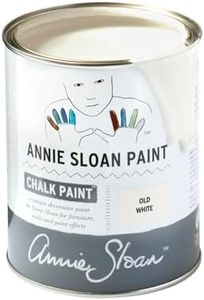
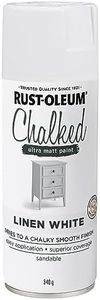
Buying Guide for the Best Furniture Paints Selections
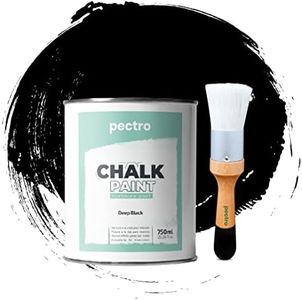
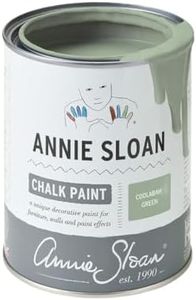
Choosing the right paint for your furniture can make a big difference in how your pieces look, feel, and how long they last. The process involves understanding the needs of the furniture and your own preferences for color, finish, and durability. Think about where your furniture will be used, how much wear and tear it will get, and what kind of look you want to achieve. Matching the paint’s qualities to your needs will help you get results you’ll be happy with for years.Paint TypePaint type refers to the basic chemical makeup and intended use of the paint, and it's important because different types work best on different surfaces and situations. The most common paint types for furniture are latex, chalk, oil-based, and milk paint. Latex is easy to work with and quick-drying, making it a good general choice. Chalk paint is popular for a matte, vintage look and easy distressing. Oil-based paints are very durable and offer a smooth finish but take longer to dry and have stronger odors. Milk paint is all-natural and great for an antique look. To pick the best type for your project, consider the look you want, the level of exposure to water or wear your furniture will face, and your comfort with preparation and cleanup.
Finish/SheenFinish, also called sheen, describes how shiny or matte the dried paint will look. This matters because sheen affects both the visual style and how easy it is to clean the surface. Common options are flat/matte, eggshell, satin, semi-gloss, and gloss. Matte hides surface imperfections but can be harder to clean. Satin and eggshell are slightly shinier, giving a soft look and better durability—good for pieces like dressers. Semi-gloss and gloss finishes are shiny and stand up well to scrubbing and moisture, ideal for tables or chairs. Choose a finish that matches how much use the furniture will get and your style preferences.
Coverage and ApplicationCoverage describes how much area the paint can cover per can or liter, and how well it hides what's underneath. Good coverage saves you time and effort by needing fewer coats. Application method indicates whether the paint is best applied by brush, roller, or spray. Some paints go on smoothly with a brush, others work better with sprayers for an even finish. For large, flat surfaces, good coverage and easy application can make a big difference; for detailed or ornate items, look for a paint that levels well and can get into nooks and crannies.
Dry Time and CuringDry time refers to how quickly the paint becomes touch-dry, while curing is the time until it's fully hardened and ready for use. This is important if you need your furniture ready quickly, or if you have limited space for drying. Fast-drying paints are convenient but may require more careful application to avoid streaks. Some durable paints take longer to cure but resist scratches and chips better when fully set. Consider your timetable and whether the furniture needs to be put back in service soon or can sit undisturbed for several days.
Durability and WashabilityDurability is about how well the paint resists scratches, chips, and general wear, and washability is how easily you can clean it. These factors are key if the furniture will get a lot of use or be exposed to spills, kids, or pets. High durability and washability are vital for pieces like kitchen tables or kids’ furniture. If you’re painting something mostly decorative, you might not need as much toughness. Match the paint's durability and maintenance needs to the intended use of your furniture.
Surface Preparation NeededSome paints require a lot of sanding, priming, or other prep work to stick well or look even, while others can go straight on most surfaces. This is important if you want a simple, fast project or if you're working on furniture with intricate details that would be hard to sand. For older, glossy, or previously painted furniture, look for paints that can handle minimal prep. If you're aiming for a long-lasting and smooth result, following recommended prep—even if it's more work—will always pay off.