We Use CookiesWe use cookies to enhance the security, performance,
functionality and for analytical and promotional activities. By continuing to browse this site you
are agreeing to our privacy policy
10 Best Garage Door Rollers
From leading brands and best sellers available on the web.By clicking on a link to a third party's website, log data is shared with that third party.
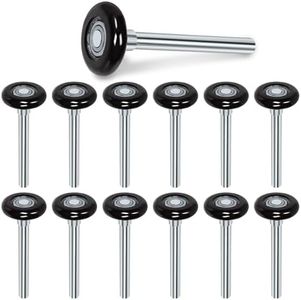
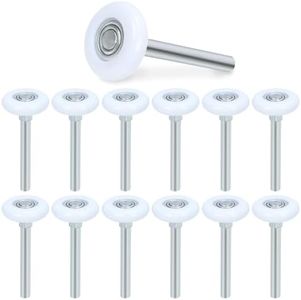
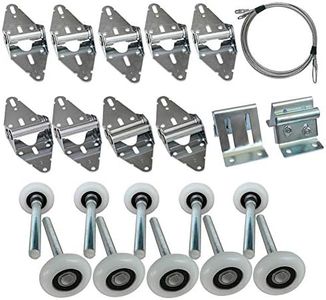
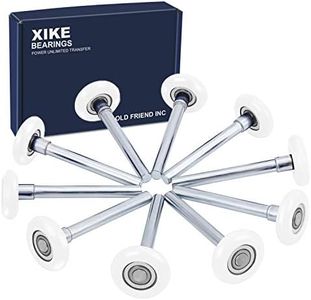
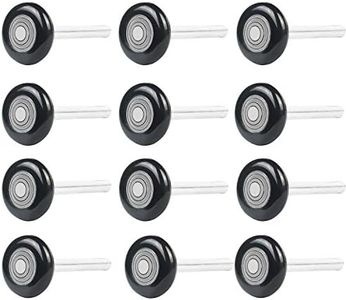
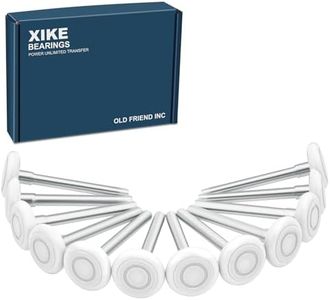
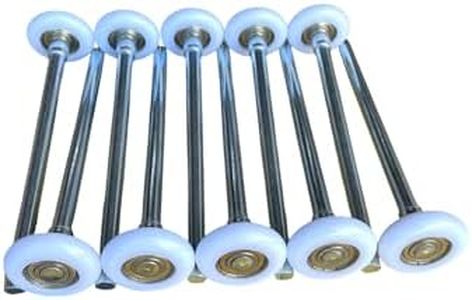
Related Products
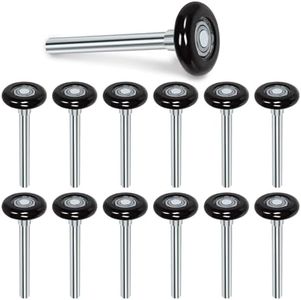
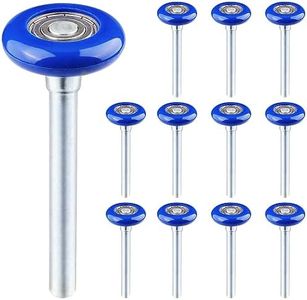
![uxcell 10-Pack Nylon Garage Door Rollers, 1.8"/ 46mm Quiet Garage Door Wheels 4.3"/ 108mm Stem, High Load 6200zz 8 Balls Sealed Precision Bearing for Garage Doors [Blue]](https://images-proxy.bestreviews.guide/ZEjlMCdcmfJ5TD43P0qCNqbmbUE=/0x300/https://m.media-amazon.com/images/I/41QSLSMV7LL._AC_CX679_.jpg)
Recommended lists

Top rated
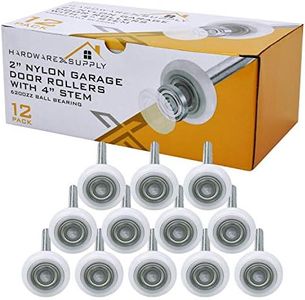
Nylon Garage Door Roller
Buying Guide for the Best Garage Door Rollers
Choosing the right garage door rollers can really improve the smoothness, quietness, and lifespan of your garage door operation. Rollers are a small but vital part of your garage door system, as they allow the door to move up and down along its tracks. It's important to understand the key features and materials involved because the wrong rollers can lead to irritating noise, extra strain on your opener, and even premature wear on your tracks or door panels. When shopping for garage door rollers, always start by checking the compatibility with your door and tracks, then focus on quality, durability, and performance.MaterialGarage door rollers are most commonly made from nylon, steel, or plastic. Nylon rollers are popular because they are quiet, require less maintenance, and generally offer a smooth operation, making them ideal for attached garages or where noise is a concern. Steel rollers are known for their strength and are a great fit for heavier doors or for those wanting maximum durability—they can be a bit noisier, however. Plastic rollers are the most budget-friendly and can wear out faster, but they can be good for very light doors or infrequent use. Picking the right material often depends on whether quiet operation or rugged durability is more important for your specific garage door needs.
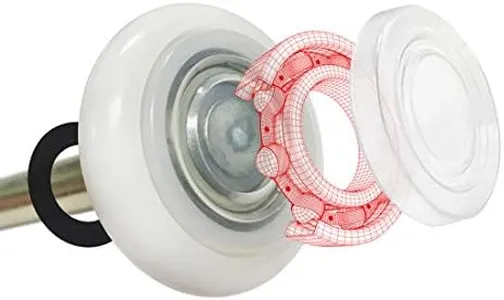
Ball BearingsSome rollers are made with ball bearings, while others do not have any. Ball bearings help the roller move more smoothly and quietly, and they last much longer because they reduce friction and wear. Non-bearing rollers are usually less expensive but wear out quicker and tend to be noisier. If you use your garage door often, rollers with ball bearings (especially those with sealed ball bearings to prevent dirt and dust from getting in) are usually the better choice for longevity and performance. If your garage door is rarely used, plain rollers might be sufficient.
Roller Size (Diameter)Garage door rollers typically come in standard sizes, with 2-inch and 3-inch diameters being the most common. It's essential to get rollers that match the diameter of your current rollers or the specification of your garage door tracks. Using the wrong size can cause the door to slip off track or create unnecessary strain on other parts. Simply measure the diameter of your current roller, not including the shaft, to guide your replacement. Choose the correct size to ensure safe and smooth operation.
Shaft LengthThe shaft is the part of the roller that fits inside the hinges on the garage door. Shaft lengths can vary, so it's important to measure your current rollers and check the fit before buying replacements. If the shaft is too long, it might not fit or could interfere with your door’s operation; too short, and it may slip out of its housing. Most residential doors work well with shafts that are about 4 inches long, but always check what your specific door requires for the best fit.
Weight & Usage RatingRollers are rated for the number of cycles they are expected to last (a cycle is one opening and closing of the door) and sometimes also for the maximum weight they can support. Rollers with higher cycle ratings (like 10,000, 50,000, or even 100,000 cycles) are usually made of higher quality materials and are designed for frequent use. Heavier doors, like those made of wood or double-insulated steel, require rollers that are rated for more weight and cycles. If you open and close your garage door multiple times a day or have a heavy residential or commercial door, pick rollers with a higher cycle rating to avoid early replacements.