10 Best Garbage Disposal Units
From leading brands and best sellers available on the web.By clicking on a link to a third party's website, log data is shared with that third party.
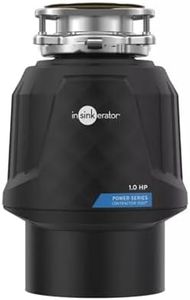
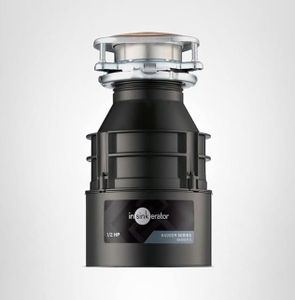


Related Products
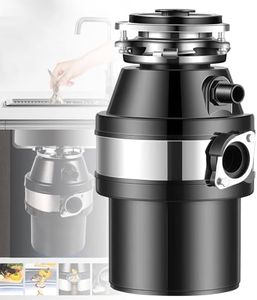
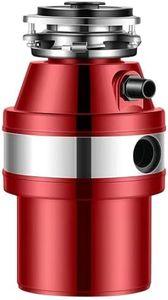


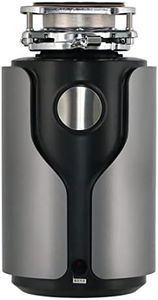
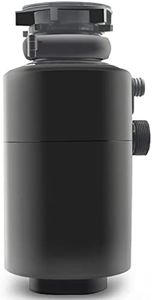

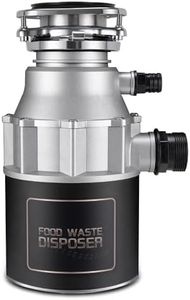
Buying Guide for the Best Garbage Disposal Units
Choosing the right garbage disposal unit can make your kitchen clean-up routine much more convenient and help prevent plumbing issues. The right unit should handle your typical food waste, fit your available space, and be easy for you to use. Start by thinking about your household’s cooking and waste habits, the amount of space under your sink, and how quiet or powerful you want the appliance to be. Matching your needs to the features available will help you end up with a disposal unit that performs well and lasts a long time.Motor PowerMotor power, measured in horsepower (HP), tells you how strong the disposal’s engine is and how efficiently it can grind up food waste. Lower power units (around 1/3 to 1/2 HP) are suitable for light use or smaller households, where food waste is minimal and not too tough. If you often dispose of fibrous or hard scraps, or if several people are using the unit, a more powerful motor (3/4 HP or higher) may be better, as it can handle more complex waste and is less likely to jam.
Noise LevelNoise level refers to how loud the disposal is when running, which can affect your kitchen’s atmosphere, especially in open-plan homes. Basic models tend to be louder, while premium units often feature sound insulation and quieter operation. If your kitchen is a social space or noise is a concern, look for units specifically advertised as quiet or having advanced noise-reduction features.
Feed TypeFeed type determines how you add waste into the disposal. There are two main types: continuous feed and batch feed. Continuous feed units start with a switch and keep running as you add food, which is convenient for regular use and larger amounts of waste. Batch feed units require you to load food and insert a stopper before running – this offers extra safety, especially around children, as the unit will not operate unless properly closed.
Grinding StagesGrinding stages indicate how many steps it takes to break down food. Basic units have a single stage that chops food once, while more advanced models offer two or three stages, which further pulverize food into finer particles. Multi-stage grinding reduces the risk of clogs and helps waste flow more smoothly, making them ideal if you dispose of tougher foods or want fewer plumbing headaches.
Size and Installation SpaceSize refers to the physical dimensions of the unit and how much space it will take under your sink. Bigger, more powerful disposals often need more room. Always measure your available cabinet space to ensure a good fit, especially if storage space is tight or your plumbing is crowded.
Build MaterialsBuild materials, especially inside the grinding chamber, can affect durability and resistance to corrosion. Stainless steel parts last longer and are less prone to rust, making them good for frequent or long-term use. Units with plastic components may be lighter and less expensive, but may not last as long.
Safety and Anti-Jam FeaturesSome disposal units come with special features to prevent jams or make it safer and easier to use. These might include auto-reverse functions, manual reset buttons, or splash guards. Such options can be useful if you want peace of mind, have curious children, or are unsure about maintenance.