We Use CookiesWe use cookies to enhance the security, performance,
functionality and for analytical and promotional activities. By continuing to browse this site you
are agreeing to our privacy policy
10 Best Garmin Transducer
From leading brands and best sellers available on the web.
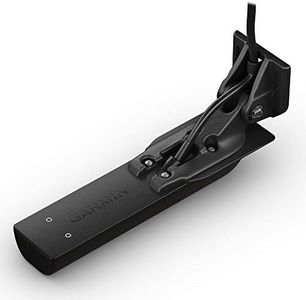

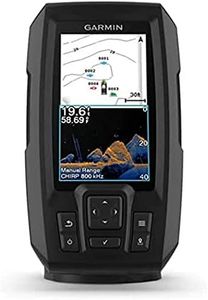
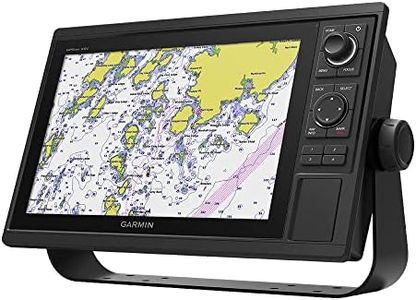
Related Products
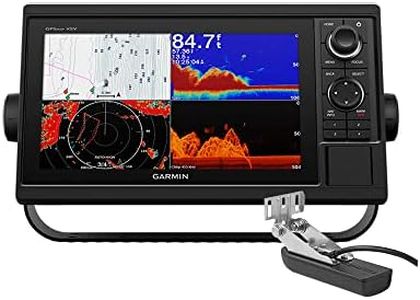

Buying Guide for the Best Garmin Transducer
Choosing the right transducer is crucial for getting the most accurate and useful information from your Garmin fishfinder or sonar device. A transducer is the part of your system that sends and receives sonar signals underwater, turning them into images you see on your display. Picking the right one depends on your fishing style, the water you frequent, and the technology your system supports. It's important to match the transducer's capabilities with your needs to ensure you get the clearest images and most reliable data.FrequencyFrequency refers to the number of sound waves the transducer sends each second and is usually measured in kilohertz (kHz). Higher frequencies, such as 200 kHz or above, provide greater detail and are ideal for shallow water where you want to see fish and bottom details clearly. Lower frequencies, like 50 kHz, penetrate deeper into the water, which is better for deep-sea fishing but may offer less detail. To choose the right frequency, consider the typical depth of water you fish in: use higher frequency for lakes and rivers, and lower frequency for oceans or deep lakes.
Cone AngleCone angle describes how wide the sonar signal spreads underwater. A wide cone angle covers a larger area and is helpful if you want to find fish across broad waters, which is great for casual or recreational fishing. A narrow cone angle is more focused, ideal for seeing bottom structures in detail or pinpointing targets straight below your boat. If you need to scan a big area quickly, go wide; if you need precise, detailed readings, go narrow.
Mounting StyleTransducers can be mounted in different ways: transom mount, thru-hull, or in-hull. Transom mounts attach to the back of your boat and are easiest to install, best for smaller boats or beginners. Thru-hull mounts require a hole in the boat's hull and offer the best signal quality, preferred for larger boats and high-speed use. In-hull mounts fit inside the hull and work only with fiberglass boats, avoiding any contact with water. Your boat type and willingness to modify your boat can help you choose the right mounting style.
Supported Sonar TechnologiesTransducers support different sonar technologies like CHIRP, DownVü, and SideVü. Standard sonar provides basic depth and fish readings. CHIRP technology sweeps through a range of frequencies to deliver clearer and more detailed images. DownVü and SideVü give you detailed images of what’s beneath or to the side of your boat. Pick a transducer that works with the features you want on your fishfinder. If you need more detailed images or want to see structures, look for DownVü or SideVü support. For general fishing, standard sonar may be enough.
Power RatingPower rating, measured in watts, tells you how strong the sonar signal is. Higher power lets the sonar reach greater depths and gives you more detailed readings, especially in rough or deep water. Lower power is fine for shallow or calm waters. If you fish in deep lakes or out at sea, look for a higher power transducer. If you only fish in shallow rivers or lakes, lower power should be sufficient.
MaterialThe material of your transducer—commonly plastic, bronze, or stainless steel—should match your boat’s hull. Plastic is best for most modern boats, especially those with fiberglass or aluminum hulls. Bronze is a good pick for wooden or fiberglass hulls, and stainless steel is often used for steel or aluminum hulls. Matching the material to your hull type will help prevent corrosion and ensure a secure fit.