10 Best Garmin Waterproof Watch
From leading brands and best sellers available on the web.By clicking on a link to a third party's website, log data is shared with that third party.


Related Products
Up to 10% off


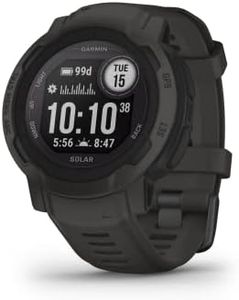
Buying Guide for the Best Garmin Waterproof Watch
Choosing a Garmin waterproof watch can be exciting but a little overwhelming with all of the options available. To get the best fit for your lifestyle, it's helpful to first think about how and where you'll use the watch most—like swimming, running, hiking, or general water activities. Next, pay attention to the key specifications that affect the watch’s performance, comfort, and usefulness for your needs. Focusing on the main features can help you make a decision that you won't regret down the line.Water Resistance RatingThis spec tells you how well the watch can handle exposure to water, such as during swimming or showering. Typical values are displayed as 'ATM' (atmospheres) or 'meters' (m), with common segments being 5 ATM/50m (splash, rain, shallow swims), 10 ATM/100m (snorkeling, swimming), or more. For users who only need splash or rain protection, 5 ATM is usually enough. However, for frequent swimmers or anyone who might take the watch diving, a higher rating like 10 ATM or 20 ATM is preferable. Your activities directly guide which level is right for you.
Battery LifeBattery life tells you how long the watch can last on a single charge. Values often range from a few days to several weeks, depending on how you use the watch and which functions are turned on. If you enjoy long outdoor or water activities and don’t want the hassle of frequent charging, look for watches with longer battery life. For everyday, short-term use, a shorter battery might still suit you just fine.
Display TypeThis refers to the kind of screen the watch uses, such as sunlight-visible, color, touch, or button-operated. Clear display matters especially for outdoor or underwater use, where glare and water drops could affect visibility. Touchscreens offer ease of use on dry land, while physical buttons are more reliable if your hands are wet or when you’re swimming. If you plan to use the watch mainly in wet environments, picking a model with good visibility and practical controls under those conditions is smart.
Durability and Build QualityDurability is about how tough the watch is, especially if you’ll be using it for sports or in rugged environments. Materials like stainless steel, reinforced plastic, or scratch-resistant glass increase toughness. If you lead an active lifestyle or often engage in demanding water sports, it makes sense to pick a more durable model to avoid damage. Lighter-use cases can get by with less robust options.
Activity Tracking FeaturesActivity tracking includes functions like heart rate monitoring, swim stroke tracking, GPS, step counting, or sleep measurement. If you’re focused on improving fitness, training for sports, or closely monitoring your health, more advanced tracking will be useful. For basic timekeeping and occasional activity tracking, simpler options are available. Your interest in health data, fitness, or performance improvement helps determine which level of tracking you need.
Comfort and FitComfort and fit refer to how the watch feels on your wrist during everyday wear or activity. Straps should be adjustable, hypoallergenic, and comfortable for long use, especially if wet. Smaller or lighter watches are often better for slim wrists or all-day wear, while larger faces may appeal if you want easier reading or more on-screen information. Consider your wrist size and whether you prefer something bold or subtle.