10 Best Gimbals For Iphones
From leading brands and best sellers available on the web.By clicking on a link to a third party's website, log data is shared with that third party.
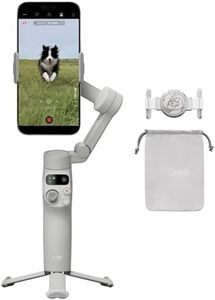
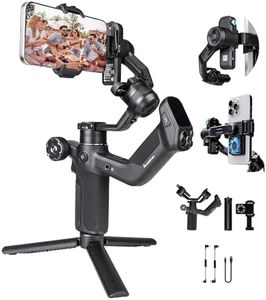
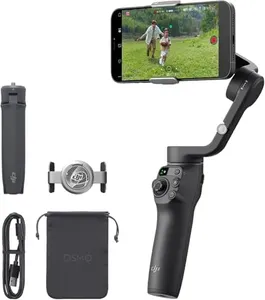

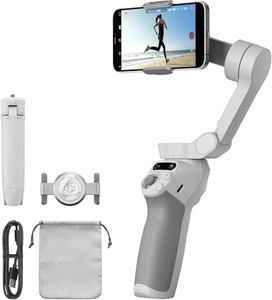
Related Products
Up to 32% off

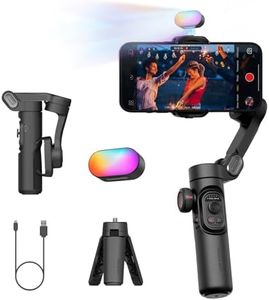

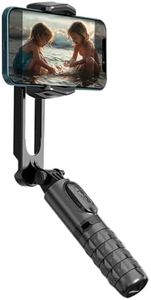
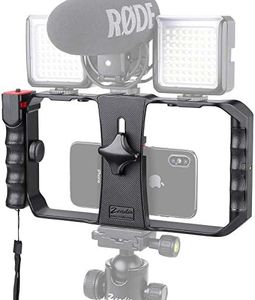

Buying Guide for the Best Gimbals For Iphones
Choosing a gimbal for your iPhone can really elevate your photography and videography by giving you smoother, more stable shots. It’s important to consider how, where, and how often you plan to use the gimbal. The right model for you will depend on factors like portability, ease of use, and the features that match your shooting style, whether you’re recording family memories, doing vlogs, or capturing cinematic footage. Understanding the key specs will help you make a selection that keeps your footage shake-free and your setup simple.Payload CapacityPayload capacity refers to the maximum weight the gimbal can hold and still stabilize effectively. This is important because if your iPhone, possibly combined with cases or add-on lenses, weighs more than the gimbal can handle, the stabilization will not work correctly and may even damage the device. Gimbals typically split into lightweight types suitable just for bare iPhones, mid-range ones that can handle phones with external lenses or microphones attached, and higher capacity gimbals intended for heavier setups. For most users, knowing the weight of their typical phone setup will guide them to the right capacity—choose a gimbal that handles a bit more than your phone’s total weight for flexibility.
Stabilization AxesGimbals can stabilize along two or three axes, meaning the directions in which they counteract movement. Two-axis gimbals typically correct tilt and roll, which covers basic shakes, while three-axis models also handle pan movements for even smoother results. Three-axis gimbals are better for walking shots or quick movements, offering superior stabilization, while two-axis versions might be enough for mostly static or slow panning shots. If you’re moving a lot or want the smoothest footage possible, a three-axis gimbal is the best fit. If you do simple, stationary recordings, two-axis could be sufficient.
Battery LifeBattery life measures how long the gimbal can operate on a single charge. This spec is key if you plan to film lengthy events or be away from charging sources for extended periods. Battery life can vary from a couple of hours up to a full day, and some gimbals use removable batteries while others have built-in versions. For quick trips or short projects, shorter battery life may be fine, but for travel, events, or longer shoots, opting for a gimbal with longer battery life or swappable batteries lets you shoot without interruptions.
Portability and WeightPortability refers to how easy it is to carry and handle the gimbal, including its size and weight. Lighter and foldable gimbals are great for travel or on-the-go shooting, making them easy to slip into a bag. Heavier gimbals may provide more stability or features but can be tiring to hold for long periods. If you expect to carry your gimbal often on hikes, tours, or trips, prioritize a compact, lightweight design. If you mostly shoot from a fixed spot or need more controls, a heavier gimbal may be more suitable.
Controls and FeaturesGimbals offer various controls and features such as follow modes, zoom sliders, object tracking, and app integration. These features enhance your filming experience, allowing for creative shots and easier operation. Simpler gimbals focus on basic stabilization, while advanced models enable you to create automated movements, trigger shots with gesture controls, or integrate seamlessly with your iPhone’s camera app. If you’re a beginner or value simplicity, basic controls may be preferable. For creative users or those wanting more flexibility, advanced features can open up new filming possibilities.
CompatibilityCompatibility is about ensuring the gimbal supports your specific iPhone model, especially if you use a case or accessories. Some gimbals only fit certain phone sizes, while others have adjustable mounts for a wide range of devices. Ensuring full compatibility avoids fit issues and ensures your phone is securely held. Check the supported phone sizes and any listed restrictions; if you switch phones often or use accessories, choose a model with wide compatibility and adjustable grips.