9 Best Girls Lacrosse Sticks
From leading brands and best sellers available on the web.By clicking on a link to a third party's website, log data is shared with that third party.
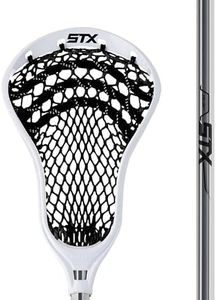
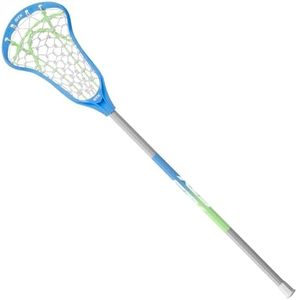

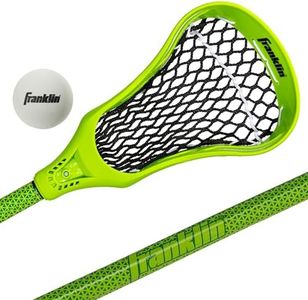

Buying Guide for the Best Girls Lacrosse Sticks
Choosing the right girls’ lacrosse stick is about finding a balance between comfort, performance, and the player’s skill level. The stick is one of the most important pieces of equipment in lacrosse, directly affecting how you cradle, pass, shoot, and catch. Each part of the stick can influence play. As you shop, it’s important to pay attention to a few key features so you can pick the best fit for the player’s age, playing position, and abilities.Stick LengthStick length refers to the measurement from the end of the handle to the top of the head. For young girls, sticks usually range from around 35.5 to 43.25 inches in length, and rules may set specific requirements depending on age and level. A shorter stick gives more control and is generally best for beginners and attackers who need fast, close moves. Longer sticks can help with reach and defense. To pick the right length, consider the player's position and comfort—if the stick feels manageable and allows for easy cradling and passing, it's likely a good fit.
Head Shape and SizeThe head is the upper part of the stick where the pocket and mesh are found. Head width can affect control and catching ability: wider heads make it easier to catch the ball (good for beginners), while narrower heads provide better precision for advanced players and those focused on ball handling. Check the rules for your league, as there are guidelines about head width and shape. Consider the player’s level—start with a wider head for newer players, and look to narrower, more specialized heads as skills improve.
Pocket Type and DepthThe pocket is the part of the head that actually holds the ball. Girls’ sticks traditionally have shallower pockets than boys’ sticks, which leads to different rules about pocket depth. A shallower pocket makes for quicker releases but can be tricker for beginners to keep the ball secure. Mesh pockets are becoming more common and offer easier maintenance, while traditional string pockets allow for more customization but need more care. For new players, a pre-strung mesh pocket with legal depth is easiest, while experienced players might prefer to customize their pocket for feel and control.
Shaft Material and GripThe shaft is the long part you hold and comes in different materials like aluminum, composite, and sometimes wood. Aluminum is durable and light, good for most beginners. Composite shafts can be lighter and offer better grip, which helps with control in wet conditions. Wood is mostly used for a traditional feel. When choosing, think about weight (lighter shafts are easier to handle but may cost more), and feel how the grip matches the player’s hands—non-slip grips are a plus for younger athletes.
Weight and BalanceWeight and balance affect how the stick feels during fast movements. A lighter stick is easier for quick stick work and cradling, helping younger or smaller players move quickly, but some older or defensive players may prefer a bit more weight for checks and ball control. Balance refers to how the weight is distributed—some sticks feel heavier at the head or the handle. Try out different sticks to see which feels the most comfortable for the player’s hand strength and typical style of play.
Compliance with RulesLacrosse sticks for girls need to meet certain rules about length, head shape, and pocket depth, which can differ by league and age. Always check the rules for your player’s league before buying to make sure the stick is legal for play. Sticks marked as 'youth' or 'beginner' are usually compliant, but it’s best to double-check measurements and features to avoid any surprises at the first game.