We Use CookiesWe use cookies to enhance the security, performance,
functionality and for analytical and promotional activities. By continuing to browse this site you
are agreeing to our privacy policy
10 Best Glass Cleaners Spray
From leading brands and best sellers available on the web.By clicking on a link to a third party's website, log data is shared with that third party.
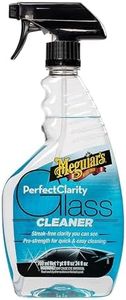
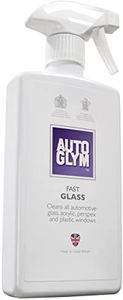
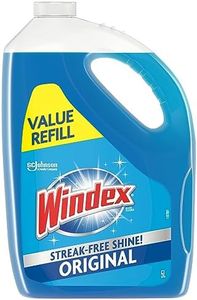
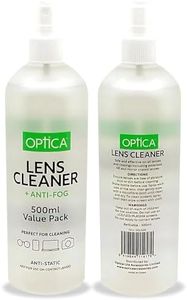
Related Products
Up to 10% off
Buying Guide for the Best Glass Cleaners Spray
When choosing a glass cleaner spray, it's important to select a product that will leave your glass surfaces sparkling clean, without streaks or residue. Think about where you plan to use it—on windows, mirrors, or even glass tabletops—and consider if you have any sensitivities to chemicals or preferences for natural ingredients. The right glass cleaner will make your cleaning quicker and more effective, giving you a clear view and a polished look to your home or office. Read labels to understand what’s inside and what the cleaner is best suited for.Cleaning PowerCleaning power refers to how effectively the spray removes dirt, grime, fingerprints, and smudges from glass surfaces. Some sprays are formulated for light dust and daily maintenance, while others are stronger for tougher stains or greasy residues. If you are cleaning windows that are frequently exposed to the outdoors or heavy fingerprints, you may want a cleaner touted for heavy-duty use. For basic maintenance and light cleaning, a gentler cleaner may be enough.
Streak-Free FormulaA streak-free formula is designed to prevent marks or streaks from appearing on the glass after cleaning. This is especially important for mirrors and windows in bright areas. Cleaners can be roughly split into standard formulas, which may leave the occasional streak, and specialty formulas made to dry quickly or with additives that minimize streaking. If you are particular about clarity or have lots of large mirrors or windows, opt for a product labeled as streak-free.
IngredientsThe composition of a glass cleaner can include ammonia, alcohol, or natural plant-based ingredients. Ammonia-based cleaners are powerful at cutting through grease and are often chosen for outdoor or heavily soiled glass but can be harsh on the skin or the environment. Alcohol-based cleaners evaporate quickly and are good for fast cleaning, while plant-based or 'green' cleaners are gentler and preferred for households with sensitivities or for those who wish to avoid harsh chemicals. Your preference on environmental impact or sensitivity should guide your choice here.
ScentThe scent of a glass cleaner can range from unscented, to light and fresh, or strong chemical odors. Some people are sensitive to fragrances or prefer an unscented product, especially in spaces where they spend a lot of time. Decide if you would like your cleaner to have a scent, and if so, whether you want it to be light and fresh or something you won’t notice after cleaning.
Application MethodThis denotes how the product is applied to the glass, such as spray, foam, or wipes. Sprays are most common and convenient for general use, allowing you to cover large surfaces easily. Foams can cling to vertical surfaces longer, making them useful for stubborn grime. Some products are available as wipes for quick, small cleanups. Consider what surfaces you are cleaning most often and pick an application type that matches your cleaning routine.