10 Best Golf Shoes Pros Wear
From leading brands and best sellers available on the web.By clicking on a link to a third party's website, log data is shared with that third party.
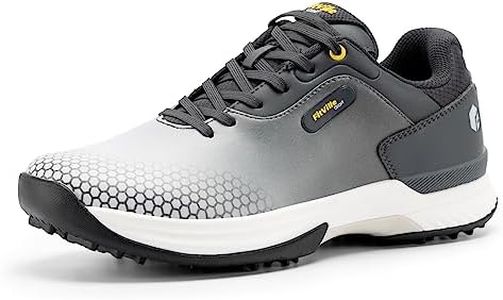
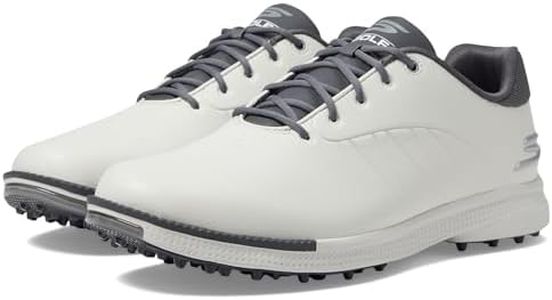
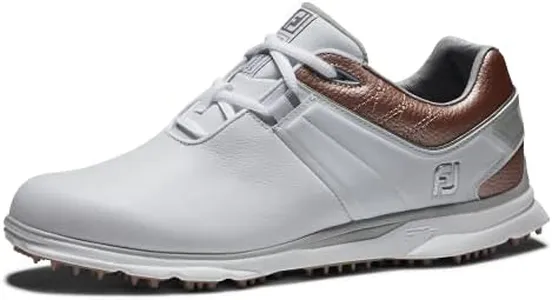


Related Products

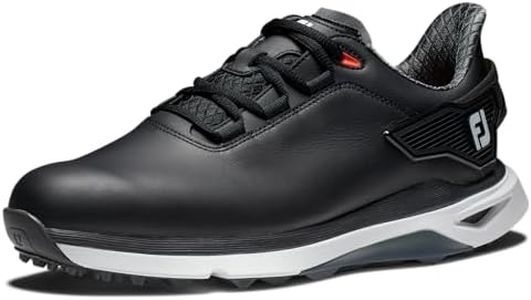
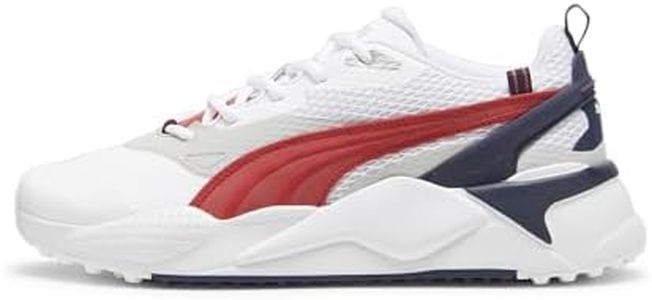
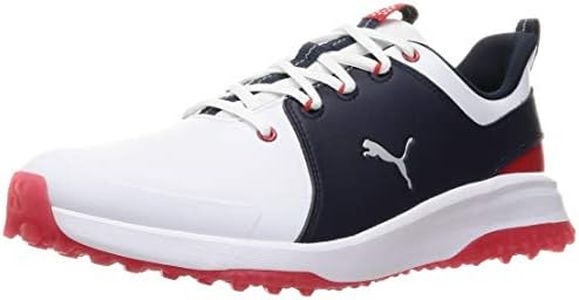

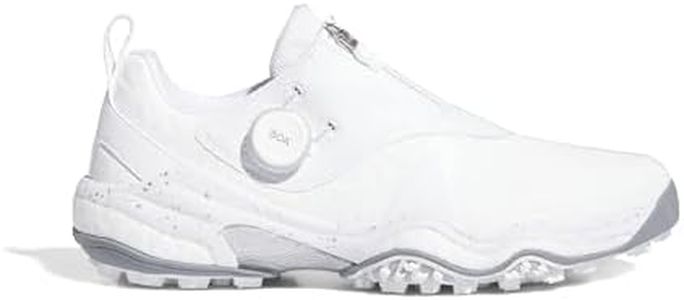

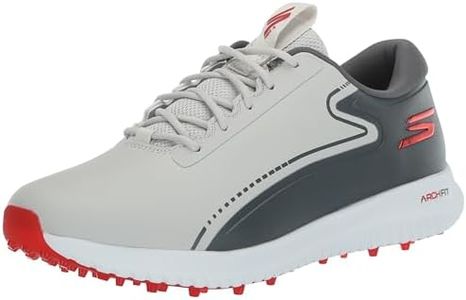
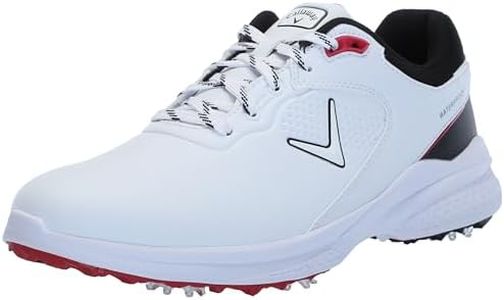


Buying Guide for the Best Golf Shoes Pros Wear
Choosing the right pair of golf shoes is essential for anyone looking to improve their comfort, stability, and performance on the golf course. Pros pay close attention to shoe technology, but the same principles they use can benefit recreational players, too. Understanding the key features of golf shoes will help you pick a pair that matches your playing style, foot shape, and the typical ground conditions you play on. Carefully considering each specification ensures you'll enjoy both support and comfort during long rounds of golf.Spiked vs. SpikelessThis specification refers to whether the shoes have traditional spikes on the soles or a flatter, more sneaker-like outsole. Spiked shoes offer excellent grip and stability, especially useful on wet or uneven ground, making them popular with players who frequently face varied conditions. Spikeless shoes are comfortable, lightweight, and often more versatile for wear beyond the course, but may offer slightly less traction in slippery conditions. You should choose spiked if you play on hilly, wet, or soft courses and need maximum traction, or spikeless if you play mostly on dry, flat courses and value off-course comfort.
WaterproofingWaterproof golf shoes are designed to keep your feet dry when playing in wet conditions or when there's morning dew on the grass. This feature is important if you often find yourself playing in rain or want assurance against unexpected weather. Shoes range from fully waterproof to water-resistant, which offers some protection but not total coverage. Select fully waterproof shoes if you play in wetter climates or want peace of mind, while water-resistant or no waterproofing may be enough for those who play mostly in dry, sunny weather.
MaterialGolf shoes are commonly made from leather, synthetic materials, or knit fabric. Leather offers classic style, durability, and is usually naturally water-resistant, making it a favorite for a premium, long-lasting feel. Synthetic materials are lightweight and often more breathable, which can be better for hot weather or those who prioritize a lighter shoe. Knit options are newer, offering great breathability and flexibility but may lack the stability of leather. Think about your personal value: durability and weather protection lean towards leather, lightweight comfort towards synthetic or knit.
Fit and ComfortThe way golf shoes fit and feel is critical for enjoying hours on your feet. Comfort features to look for include cushioned midsoles, padded collars, wider toe boxes, and arch support. Some shoes are made with foot shapes and gait differences in mind, offering narrow, medium, and wide options. If you walk most of your rounds, prioritize cushioning and a roomy fit; if you ride in a cart often, you might be able to accept a slightly firmer fit for added stability.
Support and StabilitySupport and stability in golf shoes come from the shoe’s structure around the heel, midfoot, and arch. More structured shoes deliver great support during your swing and on uneven ground, reducing foot fatigue and risk of injury. Lighter, more flexible shoes may feel more like running shoes and offer less support but increase comfort for casual play. If balance and consistent swings are priorities, aim for shoes with reinforced heels and midsoles; those seeking everyday comfort may prefer less rigid shoes.
BreathabilityBreathability ensures your feet stay cool and dry, helping to prevent discomfort, blisters, or overheating, especially during warm rounds. Shoes with mesh or vented panels, or made from knit, offer more airflow. On the other hand, waterproof or leather shoes tend to be warmer. Choose high breathability if you play in hot climates or sweat a lot, while prioritizing less breathability is acceptable in cooler or variable conditions.