10 Best Gooseneck Kettles
From leading brands and best sellers available on the web.By clicking on a link to a third party's website, log data is shared with that third party.


Related Products
Up to 14% off


Buying Guide for the Best Gooseneck Kettles
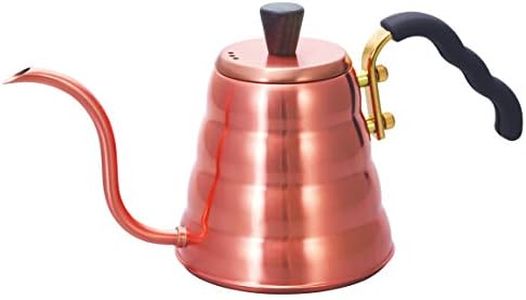
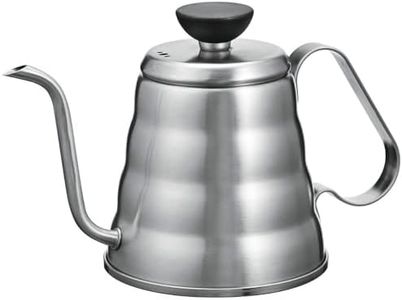
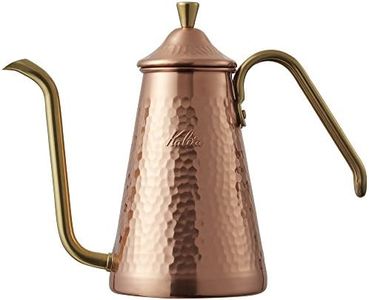
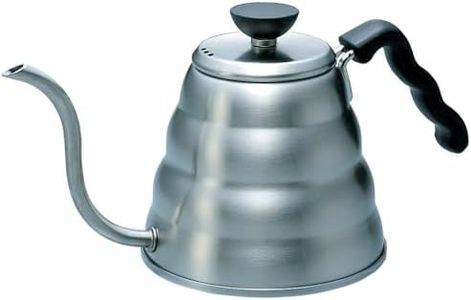
Choosing a gooseneck kettle is an important decision for anyone who loves making pour-over coffee or brewing tea. The unique spout design gives you exceptional control over the water flow, which can make a big difference in the extraction and taste of your beverage. There are a variety of gooseneck kettles on the market, each with their own features, so understanding which ones matter most to you will help you find a kettle that fits your daily routine.MaterialThe material of a gooseneck kettle affects both its durability and the taste of the water. Most kettles are made from stainless steel, glass, or sometimes copper. Stainless steel kettles are durable, resistant to rust, and easy to clean. Glass kettles look stylish and let you see the water, but they may be more fragile. Copper heats quickly and looks beautiful but often needs a lining to avoid affecting flavor. If you plan to use your kettle every day or want something low-maintenance, stainless steel is a reliable choice. If aesthetics matter and you're careful with handling, glass or copper adds a touch of elegance.
CapacityCapacity refers to how much water the kettle can hold at once. Gooseneck kettles usually range from about 0.6 liters to 1.2 liters. A smaller kettle (0.6–0.8 liters) is lighter and easier to handle, perfect if you usually brew one or two cups at a time. Larger kettles (1.0 liter or more) are ideal if you brew for a group or make coffee multiple times in one session. Picking the right capacity depends on how much coffee or tea you typically make at once—choose a size that matches your serving habits to avoid constant refilling or excessive leftovers.
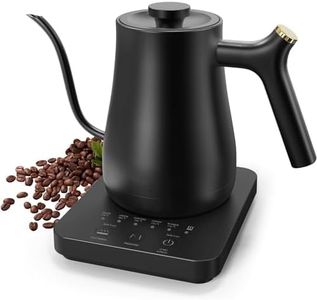
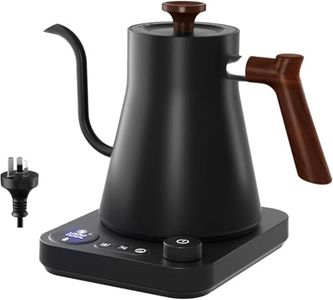
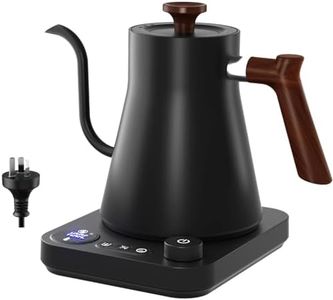
Heating MethodGooseneck kettles come in two main types: stovetop or electric. Stovetop kettles are used on a gas or electric stove, giving you basic heating without controls. Electric kettles plug in and often feature faster boiling, with some including temperature settings. Electric models are more convenient and precise for those who need specific temperatures for coffee or tea brewing. If you value portability and simplicity, stovetop is a good fit; if you want quick boiling and temperature control, electric is more suitable.
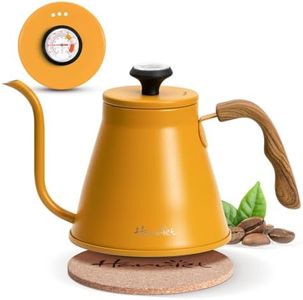
Temperature ControlTemperature control lets you set and maintain the ideal water temperature for your brewing style. Some kettles come with built-in temperature controls or presets, while others have no control and require a separate thermometer. If you often brew delicate teas or aim for the perfect extraction in pour-over coffee, precise temperature is crucial—in this case, a kettle with digital controls or at least clear settings is best. For more casual use, a basic kettle without this feature is adequate.
Spout DesignThe spout is what makes a gooseneck kettle unique. Its shape and size affect how much control you have over the water flow. A narrow, gently curved spout allows for slow, steady pouring, essential for even saturation in pour-over coffee. Wider spouts or less precise designs make it harder to control and may be less ideal for coffee enthusiasts but fine for general tea-making. If you prioritize pour control for specialty coffee, pay close attention to a well-designed, narrow spout.
Handle ComfortThe handle should be comfortable and safe to hold, especially when pouring hot water slowly. Look for handles that stay cool and offer a good grip. Some handles are angled or have extra padding to improve ergonomics. If you have smaller hands or anticipate long, slow pours for coffee rituals, test or choose a kettle with a handle that feels balanced and easy to maneuver.
Lid Fit and Ease of UseA good lid stays secure while pouring and is easy to remove for filling and cleaning. Some lids include small vents to release steam and prevent pressure build-up. Loose or tricky lids can make pouring awkward and potentially unsafe. If you fill the kettle often or like to clean it thoroughly, make sure the lid mechanism is easy to operate and secure.