10 Best Gouache Paints
From leading brands and best sellers available on the web.By clicking on a link to a third party's website, log data is shared with that third party.
Related Products
Up to 15% off

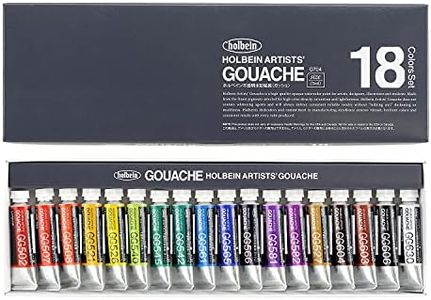
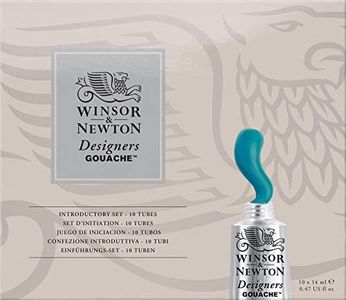
Buying Guide for the Best Gouache Paints
Choosing the right gouache paints can make a big difference in your creative process and overall painting experience. Whether you're a beginner just starting out or a more experienced artist looking to expand your toolkit, it's important to understand which features actually impact the way you'll work and what suits your painting style. By learning about the key things that make gouache paints unique, you can find options that match your needs and help you achieve the results you want in your artwork.Pigment QualityPigment quality refers to the purity and concentration of the color particles inside the paint. This spec matters because higher pigment quality means stronger, more vibrant colors and typically better coverage with less paint. Paints are often divided into student-grade and artist-grade types. Student-grade paints have lower pigment concentrations and contain more fillers, making them more affordable and easier for practice but less intense in color. Artist-grade paints are richer in pigment and produce more vivid, professional-looking results. If you value strong colors and intend to layer or blend, opt for higher pigment quality. Beginners who just want to experiment can start with student-grade, while those aiming for finished pieces or professional work should consider artist-grade.
OpacityOpacity is how well the paint covers the surface and previous paint layers. Gouache is known for being opaque, which helps artists correct mistakes or paint vibrant layers. Opacity can range from very opaque (covers everything in one stroke) to semi-opaque (somewhat see-through). Think about your style: if you want bold, flat areas of color, high opacity is important; if you prefer more subtle blends or layering effects, you can be more flexible. To decide, try looking for opacity information on the paint or test colors before you buy.
LightfastnessLightfastness tells you how well the paint withstands fading when exposed to light over time. This is important if you plan to display your artwork or sell it, as low lightfastness can cause colors to fade or shift. Paints are often rated from excellent to poor lightfastness. If your work will spend a lot of time on display or in the sun, look for paints with high lightfastness ratings. If you're working in a sketchbook or just practicing, this might not be as critical.
Binder TypeThe binder is the part of the paint that holds the pigment together and helps it stick to paper. For gouache, the usual binder is gum arabic, but some paints use synthetic alternatives. A quality binder ensures smooth application, re-wettability, and durability. Most reputable brands will use good binders, but cheaper paints might cut corners. If you want paints that are easy to work with and can be reactivated with water after drying, check for a recognized binder like gum arabic.
Color RangeColor range refers to how many different hues are available to you in a line or set of paints. Some people prefer having lots of colors directly from the tube, while others like mixing their own. Basics or starter sets usually come with a handful of primary and secondary colors, which is enough for most beginners and helps you learn color mixing. Larger sets offer convenience and creative options for those who want to skip mixing or use specific shades. Consider whether you like the process of mixing and whether you work with many colors at once; use this to guide how big of a set you need.
ConsistencyConsistency is about how thick or creamy the paint feels straight from the tube or pan. Thicker paints are good for bold, textured work, while creamier or softer paints spread more smoothly and are easier to blend. The right consistency for you depends on your personal painting technique: if you like sharp edges and heavy application, go for thicker paints; if you prefer smooth washes or blending, creamier paints might be a better fit. You can also adjust consistency by adding water, but starting with a texture you like saves time and frustration.