10 Best Grain Free Dry Cat Foods
From leading brands and best sellers available on the web.By clicking on a link to a third party's website, log data is shared with that third party.
Related Products
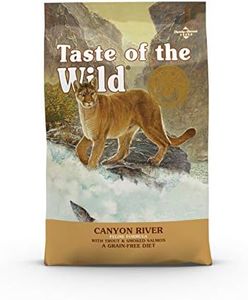
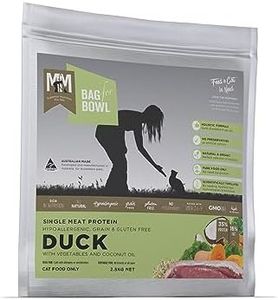
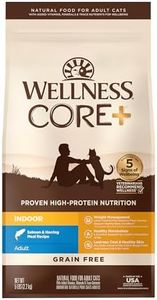
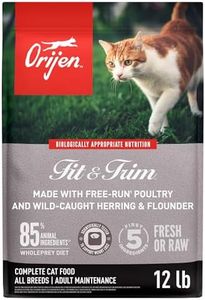
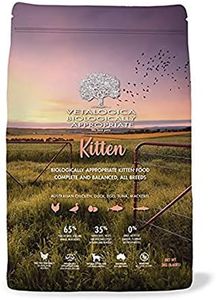
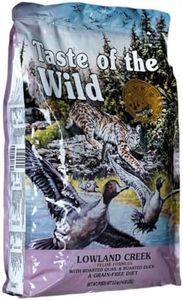
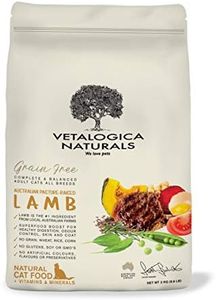
Buying Guide for the Best Grain Free Dry Cat Foods
Choosing the best grain-free dry cat food means looking beyond the label and focusing on what will genuinely support your cat’s health, lifestyle, and preferences. Cats are obligate carnivores, so their food should prioritize animal-based protein sources, and grain-free options are often chosen to avoid potential allergens or fillers. However, not all grain-free foods are created equal—some might replace grains with other less desirable ingredients. To choose wisely, it's important to look at the full ingredient list, the nutrition content, and consider your cat’s unique dietary needs such as life stage, activity levels, sensitivities, and even personal taste.Protein SourceProtein source refers to where the food's protein primarily comes from—animal or plant ingredients. For cats, animal proteins like chicken, fish, or beef are easier to digest and better match their natural diet. When comparing foods, check that quality animal protein is listed as the first ingredient, rather than vague terms like 'meat meal' or plant-based proteins. Cats of all life stages need substantial protein, but kittens and very active adults need higher levels, while older or less active cats may manage with moderate protein but still from animal sources.
Carbohydrate ContentEven though a food is grain-free, it may contain other carbohydrate sources like peas, potatoes, or lentils. Carbohydrates aren't necessary in large amounts for cats, but some are present in dry foods. Lower carbohydrate content is generally better, as too many carbs can lead to weight gain or digestive issues. Compare the guaranteed analysis and ingredient list—aim for foods where carbs are listed after meats, and look for those with minimal carbohydrate fillers, especially if your cat is overweight or has diabetes.
Fat Content and SourcesFat is crucial for cats' energy, coat, and skin health, and the source matters. Animal fats like chicken fat or salmon oil offer essential fatty acids. Ingredients should specify the type of fat rather than generic oils. Active cats and kittens benefit from slightly higher fat, while less active or senior cats may need moderate to lower fat levels. Adjust your choice based on your cat’s activity and health needs—remembering that fatty acids also support a shiny coat and healthy skin.
Life Stage AppropriatenessThis refers to whether the food is formulated for kittens, adults, or seniors. Nutritional needs change as cats age—kittens need extra calories, protein, and certain nutrients for growth; adults benefit from balanced maintenance formulas, and seniors may need fewer calories or added supplements for joint health. Always check the package or manufacturer's nutritional adequacy statement to ensure the food matches your cat’s current life stage.
Ingredient QualityIngredient quality looks at how wholesome and digestible the food is. Foods with named animal proteins, limited by-products, and no artificial colors or preservatives are considered higher quality. Whole meats and clearly named ingredients are ideal. Cats with allergies or sensitivities may need short ingredient lists, while other cats might do well with a broader variety. Scrutinizing the label for artificial additives or vague terms helps ensure you’re getting a food that’s as healthy and straightforward as possible.
Digestibility and PalatabilityDigestibility is how easily your cat can process and absorb nutrients from the food, while palatability is how appealing it tastes and smells to them. Grain-free kibbles can vary in both, depending on protein sources and added flavors. Cats who are picky or have digestive issues may do better with single-protein or limited ingredient options, which are easier on their stomach. If your cat refuses to eat or frequently vomits after eating, it may signal a need to adjust these factors.