10 Best Gravel Bike Shoes
From leading brands and best sellers available on the web.By clicking on a link to a third party's website, log data is shared with that third party.
Related Products
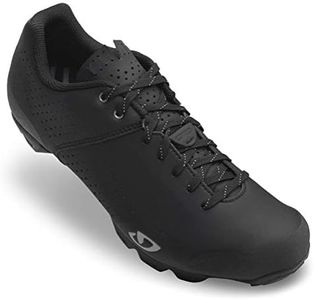
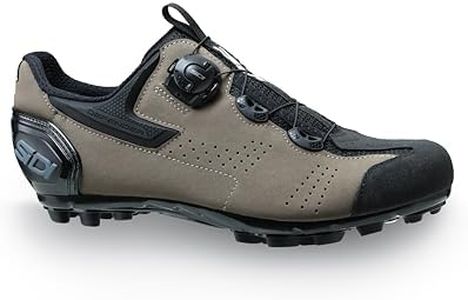
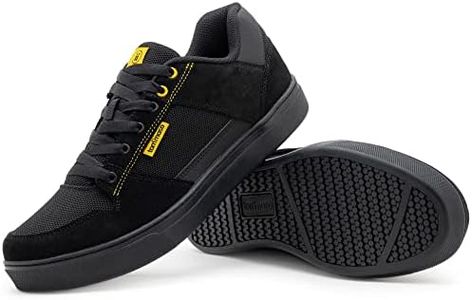
Buying Guide for the Best Gravel Bike Shoes
Choosing the right gravel bike shoes can really impact your comfort, performance, and enjoyment while riding on mixed terrain. Gravel biking involves a mix of paved roads, rough gravel paths, and sometimes a bit of hiking or walking with your bike, so shoes for this style need to balance pedaling efficiency with walkability. The key is to match your shoe choice to the kind of rides you do, how much time you’ll spend off the bike, and your personal comfort preferences.Sole stiffnessSole stiffness refers to how rigid the bottom of the shoe is. Stiff soles transfer more of your energy into the pedals, making them great for efficient cycling, but can feel uncomfortable when walking. Gravel bike shoes usually aim for a middle ground: not as stiff as pure road shoes (which aren’t walkable at all) but firmer than mountain bike shoes designed for lots of hiking. If you spend more time riding and value power and speed, a stiffer sole is best. If you know you’ll be walking on trails, softer soles provide more comfort and grip.
Tread designThe tread design is the pattern and material on the bottom of the shoe, influencing traction when you’re off the bike. More aggressive tread with lugs (bumps) gives better grip on loose, muddy, or rocky ground, while smoother soles can save weight and work fine if you mainly stick to hard-packed tracks. Choose shoes with a tread design that matches how much and what kind of walking you expect to do on your rides.
Closure systemThis describes how you tighten and secure your shoes. Popular systems include Velcro straps, ratchets, BOA dials, or laces. BOA dials allow for precise and quick adjustments, Velcro and ratchets are easy to use and durable, while laces offer classic comfort but are slower to adjust. If you want a quick, on-the-go fit adjustment, dial or ratchet systems may be best. For simplicity and a more casual feel, laces might be your preference.
Fit and comfortFit and comfort are all about how the shoes feel on your feet. Good fit means your heel stays put, toes aren’t cramped, and there’s no pinching. Different shoes have different shapes—some are narrow, some wider. Trying on a few and walking a little in them can help you decide. Pick shoes that feel secure but comfy for several hours, as this prevents blisters and hot spots during long rides.
Cleat compatibilityCleat compatibility means what type of pedal system the shoe works with. Gravel bike shoes almost always use a two-bolt system (like on mountain bikes), which is good for off-bike walking and mud-shedding. Make sure the shoes you pick match the pedal type you have or plan to get. If you’re already using mountain bike pedals, you’ll want shoes that can take those same cleats.
WeightWeight refers to how heavy the shoes are. Lighter shoes make it easier to pedal and walk, which adds to overall comfort on longer rides. However, lighter shoes may use less material or less aggressive tread, so it’s important to balance weight with the kind of grip and protection you want. If you care most about performance or racing, lighter may be better; if you prioritize comfort and durability, a slightly heavier shoe might suit you.
Breathability and weather protectionBreathability is how well the shoes let your feet ‘breathe’ and stay cool, while weather protection relates to shielding against rain, mud, and cold. Shoes with lots of mesh are cooler and dry quickly, but can let in water and dust. More solid or weather-resistant shoes keep your feet warmer and drier, but can get sweaty in hot weather. Think about the climate and seasons you’ll be riding in to decide which matters more for you.