10 Best Hairline Crack Concrete Fillers
From leading brands and best sellers available on the web.By clicking on a link to a third party's website, log data is shared with that third party.
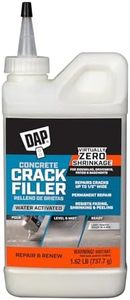
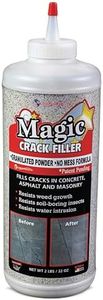
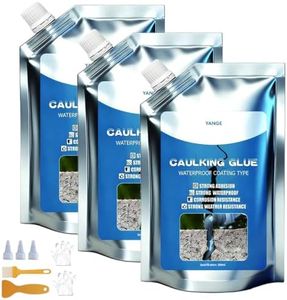
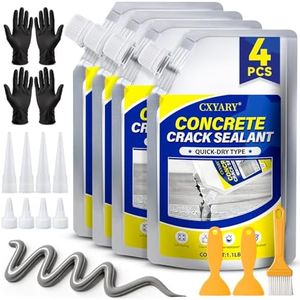
Related Products

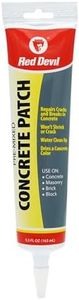
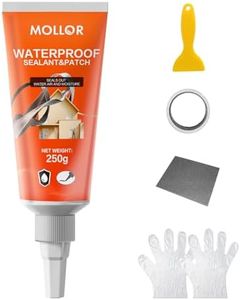


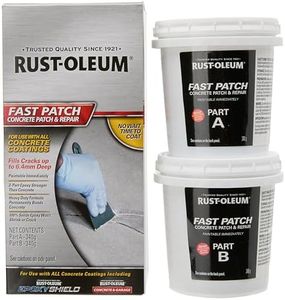
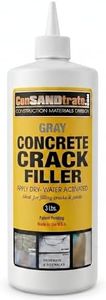
Buying Guide for the Best Hairline Crack Concrete Fillers
Choosing the right hairline crack concrete filler can make a significant difference in the longevity and appearance of your repairs. These fillers are designed to seal very fine cracks, typically less than 1/8 inch wide, preventing moisture intrusion and further damage. Understanding the product specifications will help you match the right solution for your specific repair task, ensuring a neat and durable result.Type of FillerThe type of filler refers to the chemical composition of the product, such as latex-based, epoxy, or polyurethane fillers. This is important because each type has different properties – some are more flexible, while others are harder or bond better with old concrete. Latex-based fillers are easy to apply and clean up, ideal for indoor or less demanding repairs. Epoxy and polyurethane fillers offer stronger bonding and greater durability, making them better for outdoor or high-traffic areas. Choose the type based on where and how the crack will be used: indoor minor cracks can go with simpler formulas, while outdoor or load-bearing areas benefit from advanced chemistries.
Application MethodThis describes how you apply the filler, such as squeeze bottles, caulk tubes, tubs for troweling, or injectable syringes. The application method matters because it affects how easily you can fill narrow hairline cracks and how neat the finished job looks. Squeeze bottles and caulk tubes are excellent for thin, straight cracks and allow for precise application. Trowel-applied fillers are better for wider or irregular cracks but may be challenging for very fine lines. Consider the location and size of the crack – for true hairlines, a product that dispenses thinly and precisely is best.
Drying/Curing TimeDrying or curing time indicates how long the filler takes to set before it can be exposed to foot or vehicle traffic, or before you can paint over it. This is crucial if you need to use the repaired area quickly or want to finish painting or sealing soon after. Quick-drying fillers can be ready in an hour or two, suitable for small indoor fixes. Slower-curing options may provide stronger, longer-lasting repairs but require more patience. Think about your schedule and how long you can leave the area undisturbed when making your choice.
Flexibility and Crack MovementFlexibility refers to the filler’s ability to move with the concrete as it expands and contracts due to temperature or moisture changes. This is important in climates with temperature swings or outdoor locations. More flexible fillers prevent new cracks from forming around the repair. Epoxy and polyurethane fillers tend to be more flexible, ideal for places where the cement might shift. In stable, indoor conditions flexibility is less critical, so stiffer fillers may suffice. Match the product’s flexibility to the environment and expected movement of the concrete.
Finish and PaintabilityFinish describes the filler’s appearance once it has cured – whether it is smooth, textured, or matches the color of the concrete. Paintability indicates if the filler can be painted or stained to blend in with the surrounding surface. A smooth or color-match finish is important for visible areas where you want an invisible repair. For areas you wish to paint over, confirm the filler is compatible with standard concrete paints or stains. If appearance matters, prioritize a finish and paintability that matches your expectations.