10 Best Headphones For Working Out
From leading brands and best sellers available on the web.By clicking on a link to a third party's website, log data is shared with that third party.


Related Products
Up to 56% off

Buying Guide for the Best Headphones For Working Out
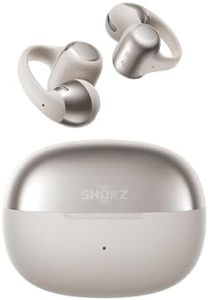
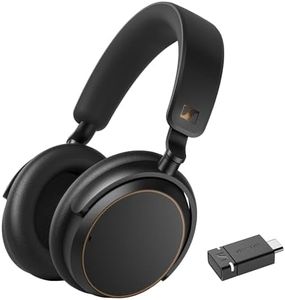
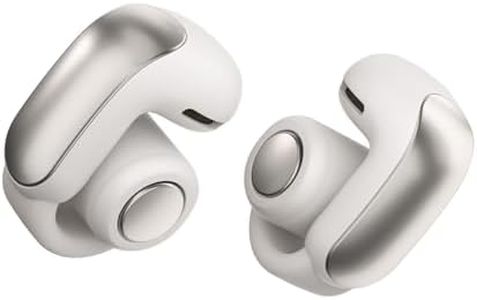
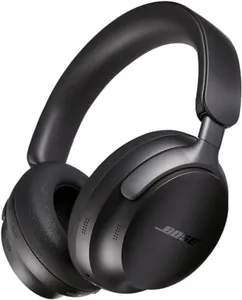
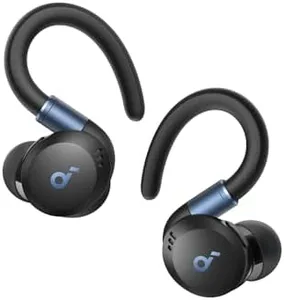
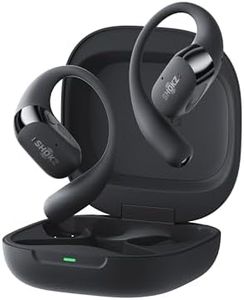
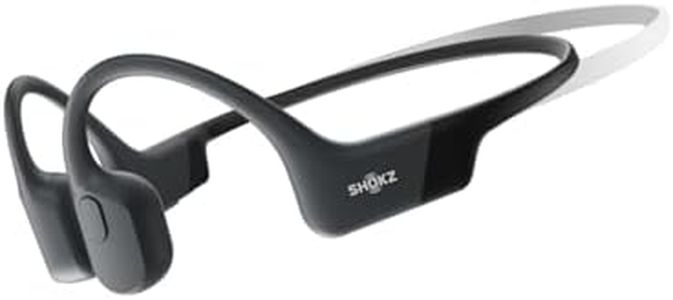
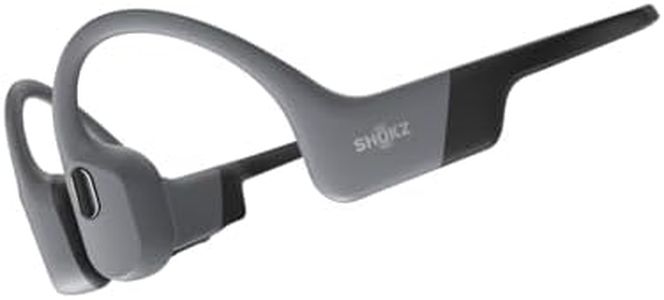
Choosing headphones for working out is all about matching your needs and activities to the right features. Whether you’re into running, lifting weights, cycling, or group fitness classes, you want headphones that can keep up with your movement, feel comfortable, and handle sweat. The perfect workout headphones will stay put, sound good, and survive rough use. To make your choice easier, pay attention to the specs that most affect workout performance and comfort.Fit and ComfortFit and comfort refer to how well the headphones stay in place and how they feel during long periods of use. This is crucial for working out because you’ll be moving, jumping, or sweating, and ill-fitting headphones may slip, cause discomfort, or distract you. Generally, you’ll find options like in-ear, on-ear, or even bone conduction styles. In-ear headphones with ear hooks or wings offer a secure fit for dynamic movement, whereas on-ear and over-ear can be less stable but might feel more cushioned. To pick the best fit, consider the kind of activities you do—runners and high-movement exercisers usually prefer in-ear models with extra grip, while those doing lighter activities can opt for over-ear or standard in-ear.
Sweat and Water ResistanceSweat and water resistance, often indicated by an IP (Ingress Protection) rating, shows how well the headphones can handle moisture, sweat, or even rain. This is important because even a little sweat can damage electronics over time. Headphones with no rating are suitable for dry environments only, while those with ratings like IPX4 handle sweat and light splashes. Higher ratings like IPX7 can survive being submerged briefly, making them ideal for intense, sweaty sessions or outdoor exercise. If you sweat a lot or train in all weather, choose headphones with at least IPX4; for heavy sweat or rain exposure, look for higher ratings.
Wireless vs WiredThis spec tells you whether the headphones use cables or connect wirelessly (usually via Bluetooth). Wireless headphones are much more convenient for working out because they free you from tangled cables and allow for freer movement, but they rely on batteries that need recharging. Wired models are lighter and never need charging, but the cord can snag or get in the way. For most active workouts, wireless headphones are preferred for their freedom, though some might pick wired if they want simplicity and never worry about charging.
Battery LifeBattery life describes how long wireless headphones can play music before needing a recharge. This is important because you don’t want your headphones dying in the middle of your session. Battery times can range from just a few hours to over a day depending on use and model. If your workouts are short, almost any battery life will do, but if you train for longer or like to avoid charging frequently, look for higher battery life. Many in-ear models offer around 5-9 hours, while some over-ear can last 15+ hours. Consider your workout habits and go for something that covers your typical week.
Sound QualitySound quality is about how good music or spoken audio sounds through the headphones. Good sound can motivate you, but what matters most is clarity and punchy bass to drive your workout. Some headphones focus on boosted bass which is great for gym sessions, while others offer balanced sound for podcasts or gentle music. If high-energy music is your thing, go for headphones that advertise enhanced bass. If you prefer to hear your surroundings for safety, consider models that let in some outside noise or offer a more open sound.
Controls and Ease of UseControls on headphones let you adjust volume, skip tracks, and answer calls without reaching for your phone. Easy-to-use, tactile controls are important during movement, so you can make changes quickly and stay focused. Simple button controls are good for sweaty hands, while touch controls look sleek but can be harder to use when moving. Choose what’s easiest for you, especially if you adjust music often during workouts.
Stability During MovementStability means how well the headphones stay in place while you move. This is especially key for HIIT, running, or any intense activity. Features like ear hooks, wings, neckbands, or snug-fitting tips help keep headphones secure. If your workouts are vigorous, opt for designs built for stability, so you’re not distracted by constant adjustments.