10 Best Heat Press Machine For Small Business
From leading brands and best sellers available on the web.By clicking on a link to a third party's website, log data is shared with that third party.
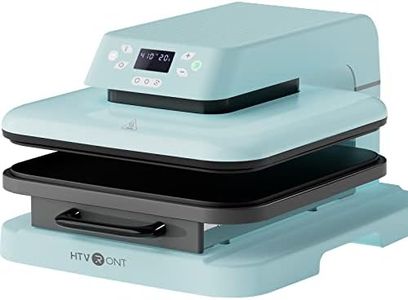
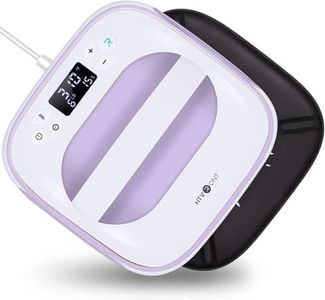
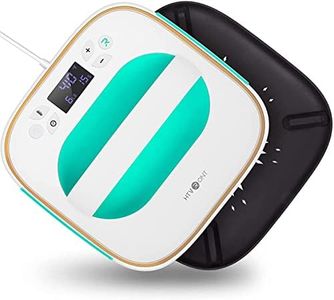
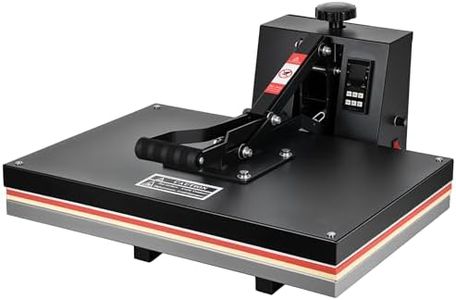
Related Products
Up to 5% off

Recommended lists


Buying Guide for the Best Heat Press Machine For Small Business
When selecting a heat press machine for your small business, it’s important to consider how you’ll use it, what products you want to create (like t-shirts, mugs, hats, or other items), and the expected workload. Understanding the key features of these machines will help you pick one that matches your business’s needs, boosts efficiency, and delivers professional results. It’s essential to consider not just your current plans, but also any potential growth or diversification in the products you might offer.Heat Plate SizeThe heat plate or platen is the surface that presses onto your material. Its size determines what kinds of items you can work with. Smaller platens, around 9x12 inches, are lightweight and good for small items or beginners, but limit the size of prints. Medium sizes (like 15x15 inches) are versatile and fit most t-shirts and common items small businesses produce. Larger platens (16x20 and above) allow for bigger designs or bulky items but can be more expensive and require more workspace. Pick a size based on the products you expect to make most often; for general t-shirt and garment printing, a medium-size is typically ideal.
Type of Heat Press MachineThere are different types of heat presses: clamshell, swing-away, and draw. Clamshells open and close like a clamshell and are compact, ideal if space is limited, but can be tricky with thicker materials. Swing-away machines let you move the top plate away from your workspace, giving more access and safety, especially for thicker or layered items. Draw presses let you pull the lower platen out, which can improve placement but need more space. Choose a type that fits both your workspace and the range of products you'll handle most.
Temperature Range and ControlHeat presses need to reach specific temperatures for different transfer materials—often between 300°F to 400°F. A machine with a wider and consistent temperature range is more versatile. Digital temperature controls are easier to use and offer better precision than analog dials, reducing mistakes. If you plan to work with a variety of transfer types (vinyl, sublimation, etc.), ensure the machine can reach the temperatures recommended for those materials, with precise and stable controls.
Pressure AdjustmentThe pressure applied during pressing affects the quality of the transfer. Machines should allow you to adjust pressure easily, usually via a knob. Light to medium pressure is used for lightweight fabrics, while thick or layered items require heavier pressure. If your business plans to press on various items, from t-shirts to thicker materials like mouse pads, select a machine with smooth and accessible pressure controls to switch between different jobs efficiently.
Even Heat DistributionFor professional results, the machine needs to distribute heat evenly across the platen. Uneven heat can cause incomplete or poor-quality transfers. Look for machines with solid, well-built platens and good insulation. Generally, newer or higher quality machines promote even heating better than entry-level or cheaper models. If you’re making products for sale, this feature is crucial to ensure every item looks the same and meets customer expectations.
Ease of Use and Safety FeaturesIf you or your team will use the press frequently, consider user-friendly controls and safety features such as automatic shutoff, cool-touch handles, or alarms. Features like timers that beep when pressing is done help you avoid mistakes and keep things moving smoothly. Safety should be a priority, especially if someone is new to heat pressing or will be multitasking.
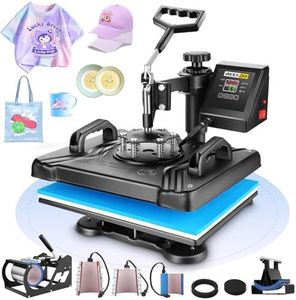
Versatility / Interchangeable PlatensSome heat presses allow you to swap out the bottom platen or add attachments, enabling you to press on different shapes and items like hats, mugs, or plates. If you have plans to expand your product range beyond flat garments, consider a press with these options, as it can make your machine much more flexible in the long run.