10 Best Heavy Body Acrylic Paints
From leading brands and best sellers available on the web.By clicking on a link to a third party's website, log data is shared with that third party.
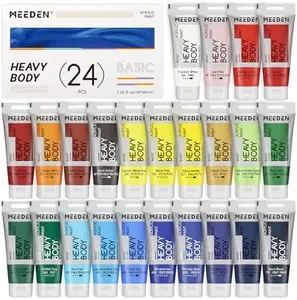
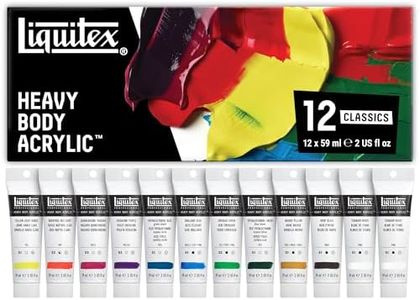
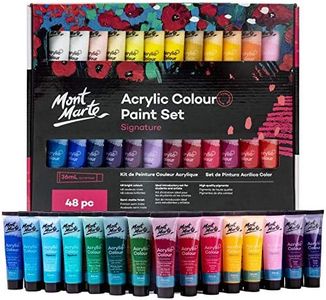
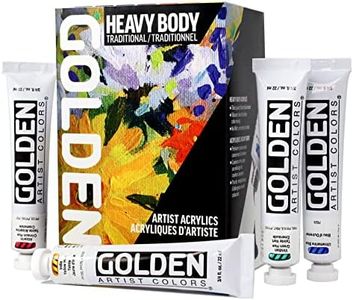
Related Products
Up to 5% off

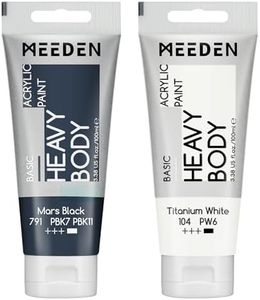
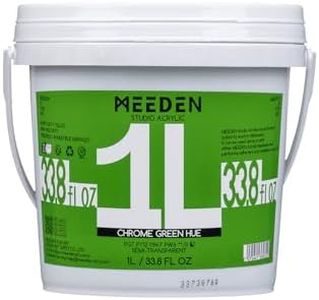
Buying Guide for the Best Heavy Body Acrylic Paints
Choosing the right heavy-body acrylic paint can make a big difference in your art projects, especially if you enjoy rich textures, bold brushstrokes, and vibrant color. Heavy-body acrylics are known for their thick, buttery consistency and high pigment load, making them ideal for techniques that require brush or palette knife mark retention. When selecting the best paint for your needs, it's important to consider several key specifications that influence not only the look and feel of your work, but also the ease of application and longevity of the final piece. Understanding these main specs will help you make a more informed decision and ensure your paint aligns with your artistic vision.ViscosityViscosity refers to the thickness and flow of the paint. In heavy-body acrylics, high viscosity means the paint is thick and holds its shape well, allowing for textured, dimensional effects. Lower viscosity paints are more fluid and spread easily but won't retain marks as visibly. If you're aiming for impasto or want your brushstrokes to stand out, high-viscosity is key. If you prefer smoother, flatter applications or plan to thin your paint, lower viscosity might be easier to work with. Think about your technique and end result—if you love texture, prioritize high viscosity.
Pigment LoadPigment load indicates how much color pigment is in the paint compared to binders and fillers. Higher pigment load delivers more intense, vibrant colors and often better opacity, so you need less paint for solid coverage. Lower pigment load produces softer, more transparent finishes, which might require more layers. Artists who want bold, impactful art or need to overlay strong colors should look for paints with higher pigment loads, while those working with glazing or layering may be fine with a moderate load.
LightfastnessLightfastness measures how well the color resists fading when exposed to light. High lightfastness ensures your artwork remains bright and doesn’t shift in color over time. Ratings usually range from excellent to poor; professional-grade paints usually feature higher ratings. If your artworks will be displayed or sold, prioritize high lightfastness so your colors stay true for years. For sketching, practice, or temporary projects, lightfastness may be less critical.
Opacity/TransparencyOpacity describes how much the paint can cover or obscure what's underneath. Some paints are more opaque and will hide underlying layers, while others are more transparent, allowing for layering and color mixing effects. If you want to cover surfaces or previous colors quickly, look for higher opacity. If you like glazing or building up luminous effects, opt for more transparent colors. Check the label for clues, as manufacturers often indicate this directly.
Drying TimeDrying time tells you how quickly your paint will set. Heavy-body acrylics generally dry faster than oils but slower than fluid acrylics. Some dry in minutes, while others can take longer, especially when applied thickly. If you want to blend or adjust colors on the canvas, a longer drying time is helpful. For quick layering or faster progress, shorter drying times can be an advantage. Your working pace and technique can help you decide which is better.
FinishThe finish of heavy-body acrylic paint refers to the surface sheen after drying—typically matte, satin, or glossy. Matte finishes are non-reflective and make colors look soft, while gloss finishes bring out vibrancy and depth. Some artists layer or varnish to achieve a preferred finish. Choose a finish that fits the mood of your work or the visual presentation you prefer. If unsure, you can always adjust the sheen with mediums or varnishes later.