9 Best High School Baseball Bat
From leading brands and best sellers available on the web.By clicking on a link to a third party's website, log data is shared with that third party.
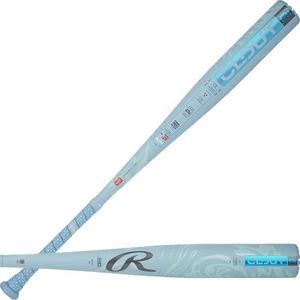
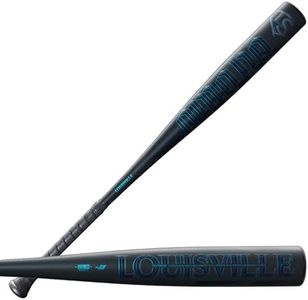
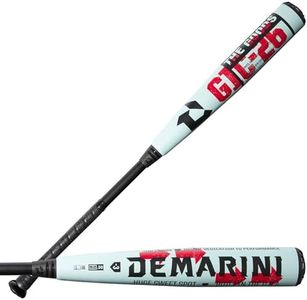
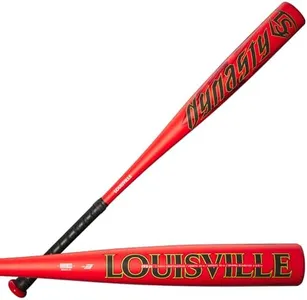
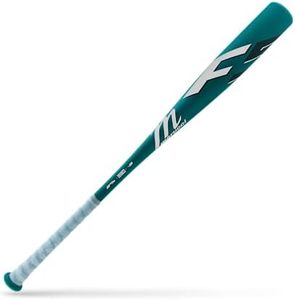
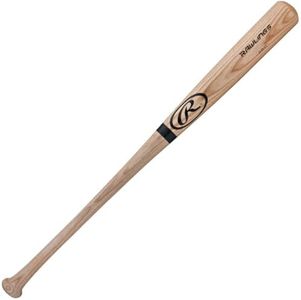
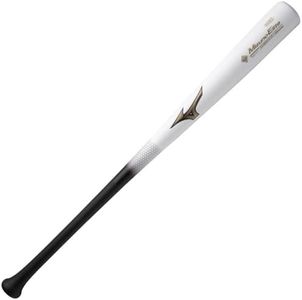
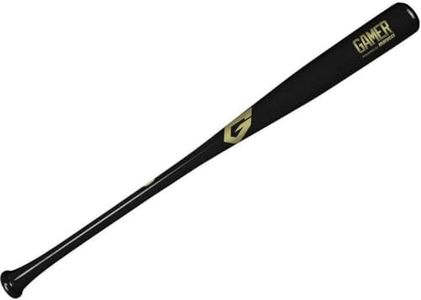
Buying Guide for the Best High School Baseball Bat
Choosing a high school baseball bat is about finding the perfect match for your playing style, physical build, and league requirements. High school bats need to be certified for use, but beyond that, picking the right one helps you hit better, swing faster, and feel confident at the plate. Understanding key features will help you narrow your choices and make sure the bat you buy will support your game while abiding by the rules.BBCOR CertificationBBCOR stands for Batted Ball Coefficient of Restitution, and it's the certification required for all non-wood bats in high school baseball. This standard limits the bat's trampoline effect, making the game safer and fairer. When shopping, always check for the BBCOR stamp. If your league requires it, every eligible bat will have this stamp. If it’s absent, the bat can’t be used in high school play. Picking certified bats is not about personal preference but a necessary requirement.
LengthThe length of a bat affects your swing reach and control. Baseball bats typically range from 31 to 34 inches for high-schoolers, with lengths in between. A longer bat lets you reach pitches on the edge of the plate but may feel heavier and harder to control. Shorter bats offer more control and quicker swings but may reduce reach. To choose, consider your height, strength, and batting style. If you’re bigger and stronger, a longer bat might work. If you prefer faster swings or are less physically mature, a shorter length can improve your contact.
Weight and Drop WeightWeight is crucial for swing speed and control. Drop weight is the difference between the bat’s length (in inches) and its weight (in ounces), typically -3 for high school (for example, a 33-inch bat should weigh 30 ounces). The drop weight is set in most leagues, so most bats will be similar. Still, the distribution of weight can vary, so try swinging different bats to see what feels best for your speed and power. If you like powering balls to the outfield, a heavier feel can help, while players who favor quick swings might seek a lighter feel within the allowed limits.
MaterialBats commonly come in two main materials: aluminum/alloy and composite. Alloy bats are ready to use right away, have a stiffer feel, and are often more durable. Composite bats can reduce vibrations, often offer a bigger sweet spot, and may feel less harsh on the hands, but sometimes need a break-in period. Some bats blend these materials. Think about your comfort preferences: if you dislike sting from mishits, a composite or hybrid might feel better, while aggressive hitters sometimes prefer the feel of alloy.
Barrel DiameterMost high school bats have a barrel diameter of 2 5/8 inches, which is the official maximum. Barrel diameter affects the sweet spot size and the bat’s forgiveness on mishits. While all eligible bats will meet this standard, some bats shape their barrels differently to emphasize balance or power. If you’re just starting or value contact, look for bats emphasizing a balanced barrel for more control, while power hitters may favor a larger or more end-loaded barrel.
Grip and HandleThe grip and handle influence comfort and shock absorption. Grips can be slick or tacky, thick or thin, and some handles are flared or tapered. A comfortable grip can prevent your hands from slipping, especially during sweaty games, while a thicker handle can reduce vibrations. Try gripping a few bats if you can – what feels comfortable in your hands will help confidence and performance on the field.