10 Best Hiking Boots With Wide Toe Box
From leading brands and best sellers available on the web.By clicking on a link to a third party's website, log data is shared with that third party.
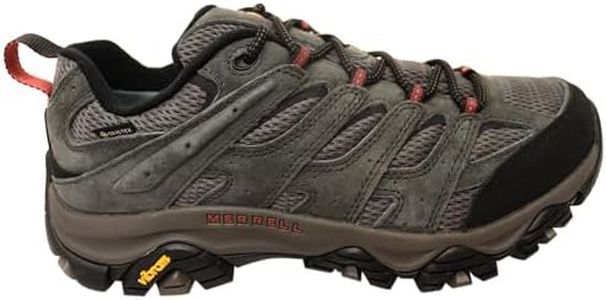
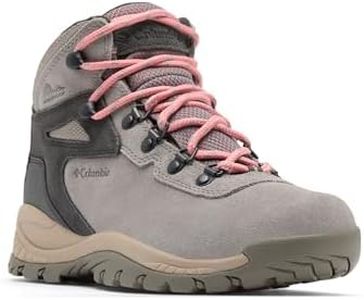
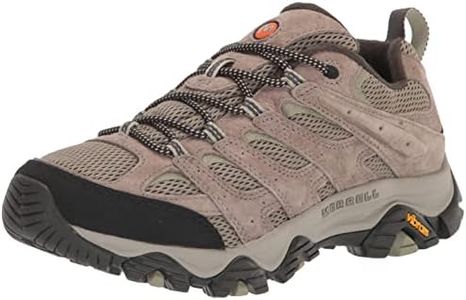
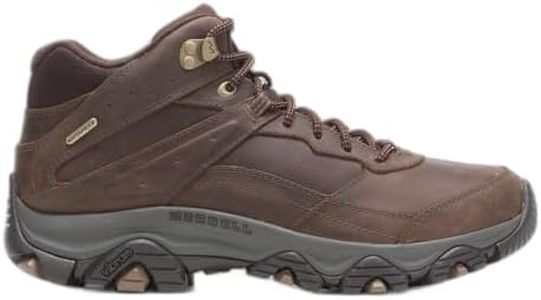
Related Products
Up to 30% off

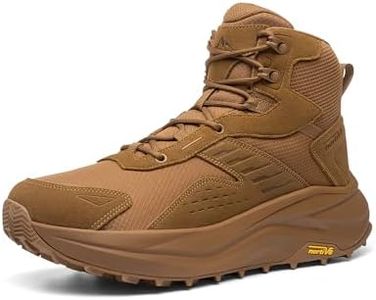
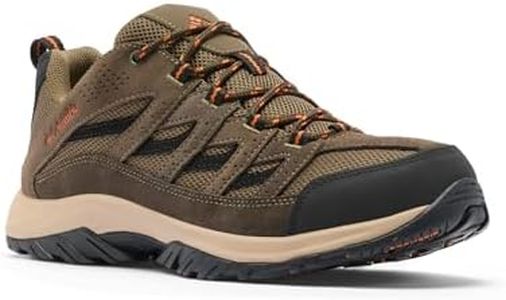
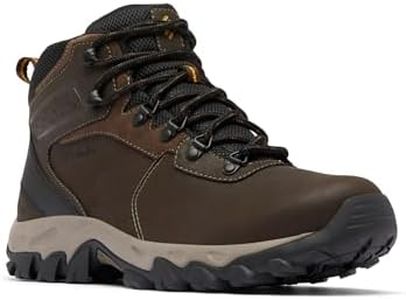

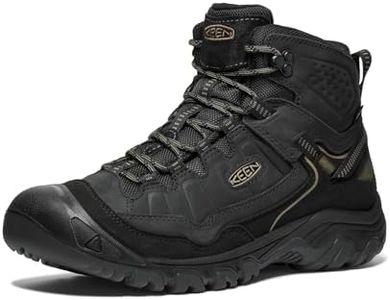
Recommended lists

Top rated
Hiking Boots
Buying Guide for the Best Hiking Boots With Wide Toe Box
Choosing the right hiking boots is important for comfort, performance, and avoiding injury during your outdoor adventures. If you are looking for boots with a wide toe box, your main focus is likely on avoiding discomfort like pinched toes, blisters, or foot fatigue, especially on longer hikes or rough terrain. Pay attention to how the boots fit against your natural foot shape and prioritize long-term comfort and proper support over anything else.Toe Box WidthThe toe box is the front section of the hiking boot where your toes rest. A wide toe box gives your toes extra room to spread out naturally, which helps prevent blisters, numbness, and other forms of discomfort. When looking at width, you'll usually see standard, wide, or even extra-wide offerings. If you have wider feet or prefer more space, look for boots specifically labeled as 'wide' or ones known for roomy toe boxes. To pick the right width, try boots on in the afternoon (when your feet are slightly swollen from daily activity) and make sure you can move your toes without rubbing or pressure.
Fit and SizingProper fit goes beyond just length and width; it should include heel support and adequate space throughout the boot. Hiking boots often come in different sizing systems, so always try them on with your hiking socks. You should feel secure around the midfoot and heel, while the toe box should offer wiggle room. If in doubt, walk around the store or test on an incline to ensure your toes don't hit the front. Your foot shape, including arch and overall width, should guide you: if you regularly feel cramped in standard shoes, prioritize wide models.
Material and BreathabilityMaterials used in hiking boots, such as leather, synthetic mesh, or a mix, affect both comfort and durability. Leather is sturdy and supportive but can be stiffer, while mesh and newer synthetics are lighter and more breathable. A breathable boot is crucial if you hike in warm weather or tend to have sweaty feet, since it helps avoid hot spots and blisters. Choose a material that matches your typical hiking conditions: more rugged and frequent hikes favor sturdy materials, while day hikers or those in hot climates may prefer lighter, more breathable options.
Support and CushioningGood hiking boots provide the right amount of ankle and underfoot support for uneven terrain, reducing your risk of injury. The insole and midsole cushioning can also impact how comfortable and shock-absorbing the boot feels, especially on rocky or long trails. More cushioning means softer landings but can sometimes feel bulkier. If you often carry a heavy backpack or hike on difficult trails, opt for more robust support. For easy or short trails, less cushioning can be lighter and more responsive.
Water ResistanceWater resistance or waterproofing keeps your feet dry in wet conditions, which is important for foot health and overall comfort. Many boots offer a waterproof membrane or are treated with water-resistant coatings. If you mainly hike in wet, muddy, or unpredictable conditions, look for waterproof features. However, if you stick to dry trails, greater breathability from non-waterproof models might suit you better.
Outsole Grip and TractionThe outsole is the bottom part of the boot that makes contact with the ground. Its grip and tread pattern affect how well you stay stable on different surfaces, be it wet rocks, loose gravel, or packed dirt. Chunkier, deeper lugs are ideal for tricky terrain, while shallower patterns work well for moderate or light hikes. Think about the types of trails you use most and pick an outsole that matches the level of grip you'll need.