10 Best Hiking Gloves For Women
From leading brands and best sellers available on the web.By clicking on a link to a third party's website, log data is shared with that third party.
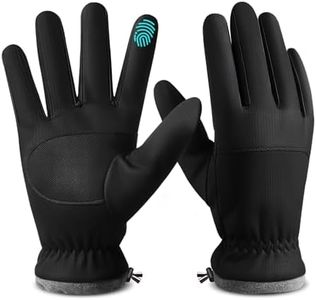
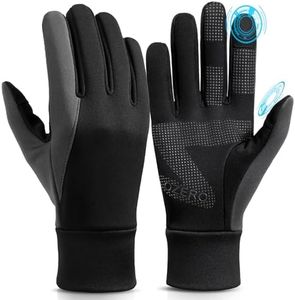
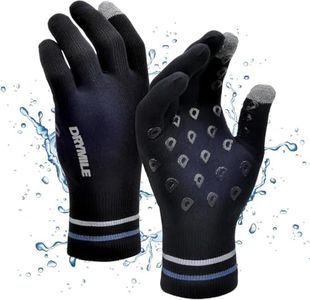
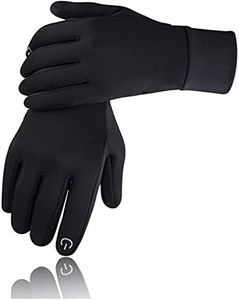
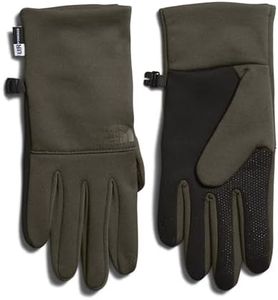
Related Products
![The North Face E-Tip Gloves, Unisex, Fleece, Cold Protection, Smartphone Compatible, Touch Panel Compatible, [FW23] Black, S](https://images-proxy.bestreviews.guide/mjB_atS-3ioYNtOs_pkMZamZChM=/0x300/https://m.media-amazon.com/images/I/31-1NbrSCRL._AC_CX679_.jpg)
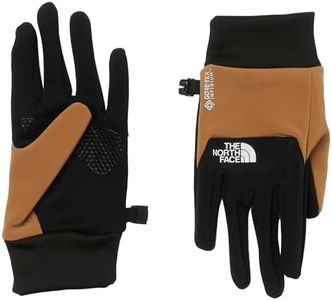
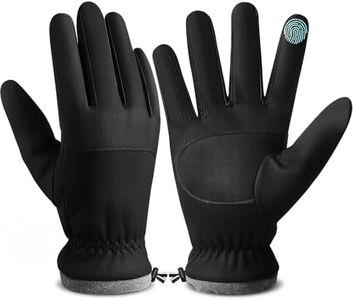
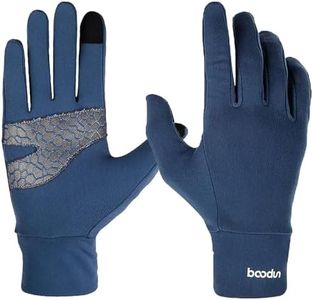
Buying Guide for the Best Hiking Gloves For Women
Choosing the right hiking gloves for women is important because your hands need to be protected from the elements, whether it's cold, wind, rain, or rough terrain. The best pair will depend on when, where, and how you plan to use them. Before deciding, think about the climate you'll be hiking in, how much dexterity you need, and whether you want extra features like touchscreen compatibility or grip pads. Understanding the different specs will help you make a decision that keeps your hands comfortable and protected on every hike.MaterialThe material of hiking gloves affects warmth, breathability, water resistance, and durability. Common choices are fleece, wool, synthetic blends, or leather. Fleece and wool are great for insulation and warmth, synthetic gloves often offer lighter weight and quick drying, and leather is often the most durable and helps with grip. If you are hiking in cold, dry conditions, wool or fleece may be best. For rainy environments, go for synthetic materials with water-resistant properties. Choose leather if you are scrambling over rocks and need durability and protection. Match the material with your main hiking conditions.
InsulationInsulation determines how warm the gloves will keep your hands. Lightly insulated or liner gloves are suitable for cool, mild weather and allow for more dexterity. Medium insulation works for colder temperatures, while heavy insulation is necessary for winter or mountain hikes in freezing conditions. For summer or high-activity hikes, you might prefer little or no insulation. Consider how cold your hiking location usually gets and how warm your hands tend to be naturally.
WaterproofingWaterproof gloves use special membranes or coatings to keep your hands dry. This feature is crucial if you expect rain, snow, or crossing wet environments. Gloves can be water-resistant (handling light rain and splashes), waterproof (withstand prolonged wet conditions), or not water-treated. If you hike in damp, unpredictable, or wintery weather, prioritize waterproof gloves. For dry climates, water-resistant or regular gloves may be sufficient and more breathable.
DexterityDexterity describes how easily you can move your fingers while wearing the gloves. Thicker, heavily insulated, or waterproof gloves often reduce dexterity, while liner gloves and stretch-fit designs offer more movement. If you need to handle trekking poles, zip pockets, or use your phone, choose gloves labeled as offering high dexterity. For extreme cold, warmth may be more important than finger movement, so a balance is needed based on your activity.
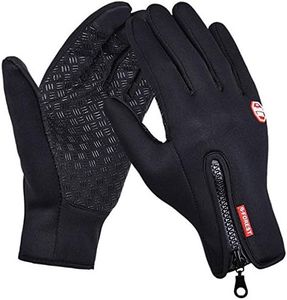
GripGrip is provided by textured designs or materials on the palm and fingers, which help you hold onto trekking poles, rocks, or other gear safely. Some gloves have silicone or leather patches to improve grip. If your hikes involve a lot of climbing, scrambling, or using hiking poles, enhanced grip is essential. For general trail walking, a basic grip should be enough.
Touchscreen CompatibilityTouchscreen compatibility allows you to use your phone or GPS device without removing your gloves. This feature is usually found in lighter gloves or with special tips on the fingers. If you like to take photos or regularly use maps while hiking, consider this feature. If your main concern is warmth and you rarely need your phone, it might not be necessary.
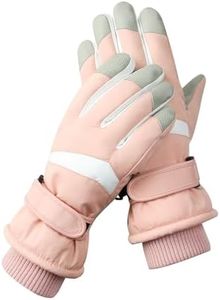
Cuff Length and ClosureThe length of the cuff (where the glove ends at your wrist or arm) and whether it has a closure like a strap or elastic band affects how well the glove keeps out cold, snow, or debris. Short cuffs are easy to take on and off and fit under jacket sleeves, while longer cuffs provide better protection in deep snow or colder weather. Choose based on your layering system and how much protection you need from the elements.