10 Best Hitch Locks
From leading brands and best sellers available on the web.By clicking on a link to a third party's website, log data is shared with that third party.

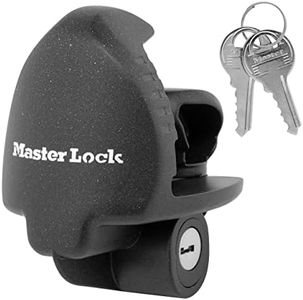
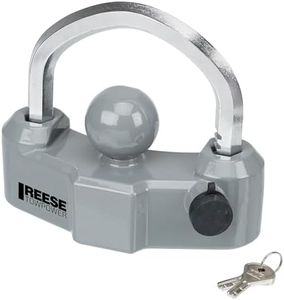
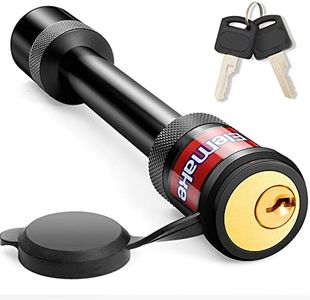
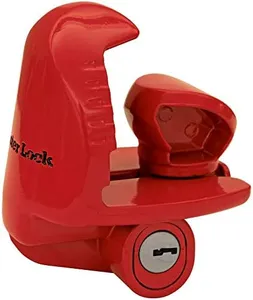
Related Products
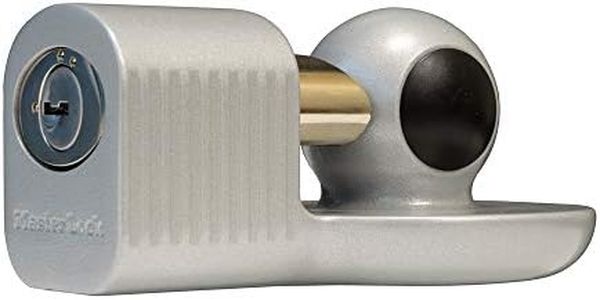
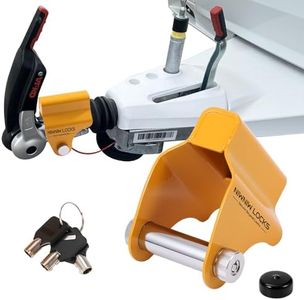

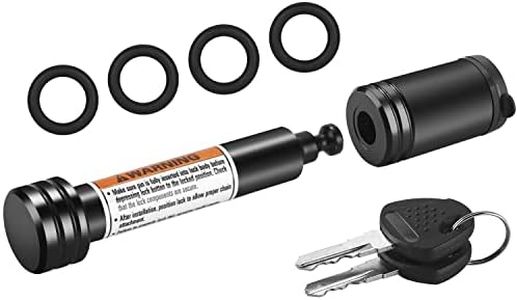
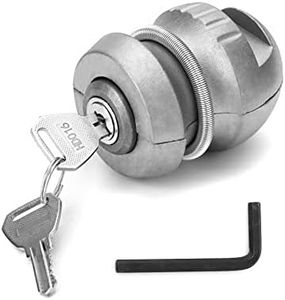

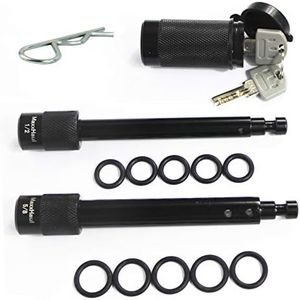
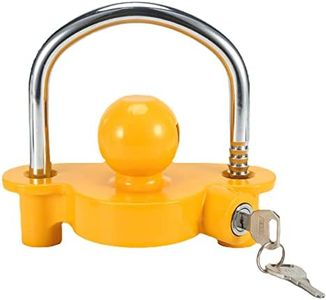
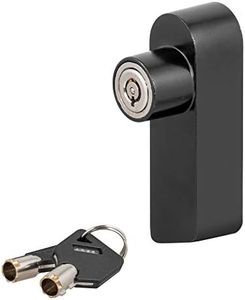
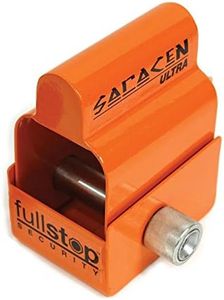
Buying Guide for the Best Hitch Locks
Choosing the right hitch lock can provide peace of mind by protecting your trailer or caravan from theft. Since hitch locks come in various sizes, shapes, and security levels, it's important to think about how, where, and how often you'll use your trailer. Consider how easy a lock is to use, the climate or environment it will be exposed to, and how visible or discreet you want the protection to be. Understanding the different features can help you find a hitch lock that matches your usage style and security needs.Lock TypeThe lock type refers to the mechanism and design, such as coupler locks, receiver locks, and latch locks. This spec is important because each type offers a different level of security and ease of use for specific situations. Coupler locks generally secure the trailer when it's unhitched, receiver locks lock the hitch to the towing vehicle, and latch locks secure latch-style couplers. To navigate this, consider whether you need to lock an unhitched trailer, secure it while towing, or both. Your choice should be guided by your primary concern: theft when parked and unhitched, or security while the trailer is attached to your vehicle.
Material and Build QualityMaterial and build quality indicate what the lock is made of and how robust it is. This is crucial because stronger materials are harder to cut, drill, or tamper with. Hitch locks are often made from hardened steel, alloy, or heavy-duty metal blends. Simple or occasional use might only require basic metal, but for high-security needs or heavy usage, look for hardened or reinforced materials. Match the material to the level of risk—more valuable or frequently unattended trailers need stronger, more resistant locks.
Compatibility and SizeCompatibility and size mean whether the lock fits your trailer's coupler or hitch size. Not all locks fit every coupler or receiver, and a good fit is vital for both ease of use and security. Locks are rated for specific hitch sizes, such as 1-7/8”, 2”, or 2-5/16”. Start by measuring your hitch or coupler to know what you need, and choose a lock designed for that exact size or range. Having the right fit prevents thieves from easily removing the lock and avoids you struggling during installation.
Ease of UseEase of use refers to how simple the lock is to install, remove, and operate, including how the locking and unlocking process works. This becomes important if you plan to attach or remove the trailer frequently or are looking for something that doesn’t require special tools. Some locks use key systems, others use combination dials. Think about who will be using the lock—if multiple people need access or if you want hassle-free operation, easier or tool-less systems may suit you better, while more complex locks may be preferable if you need extra security and don’t mind a slightly longer process.
Weather ResistanceWeather resistance tells you how well the lock can handle rain, snow, humidity, and UV exposure without rusting or becoming difficult to operate. This spec matters because trailers often sit outside exposed to the elements. Locks may be rated as weatherproof or have protective coatings. If your trailer will be left outdoors for long periods, prioritize a lock that’s specifically designed to resist corrosion and internal freezing. Minimal exposure means this feature is less crucial, but still helpful for long-term reliability.
Visibility and DeterrenceVisibility and deterrence relate to how easy it is for someone to see the lock on your trailer, and how much it discourages tampering. Brightly colored or bulky locks are more likely to ward off potential thieves just by being obvious, whereas discreet locks are less noticeable but may not scare away casual attempts at theft. Decide if you want a lock that advertises its security features (to deter opportunists) or a more discreet appearance (to avoid drawing any attention). Your needs will depend on where you park your trailer and your personal security approach.