10 Best Humidifiers For Large Rooms
From leading brands and best sellers available on the web.By clicking on a link to a third party's website, log data is shared with that third party.
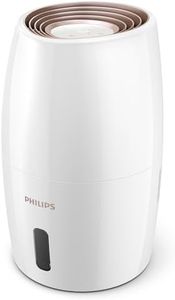
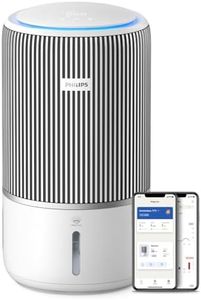
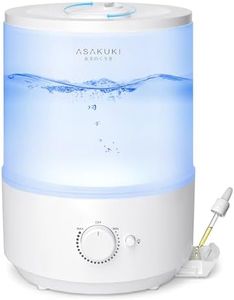
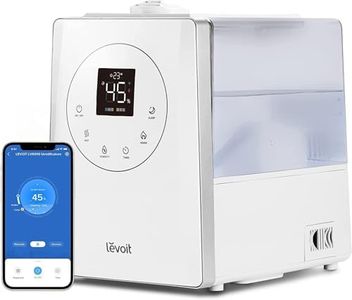
Related Products
Up to 20% off

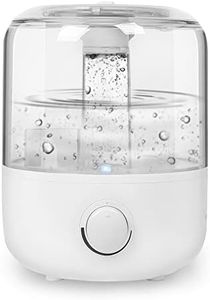
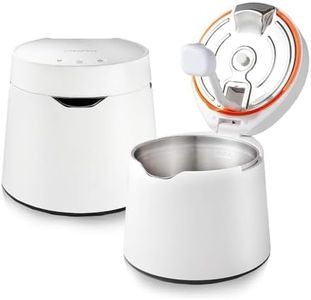
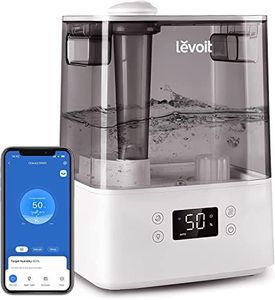

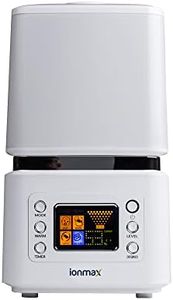
Buying Guide for the Best Humidifiers For Large Rooms
Choosing the right humidifier for a large room is all about ensuring consistent comfort, healthy air, and easy maintenance. When shopping, think about the size of the space you want to humidify, how much effort you’re willing to put into upkeep, and what specific features will make your daily use easier. Humidifiers for large rooms can differ quite a bit, so it’s important to know what each key specification means and how it relates to how you’ll use the product every day.Room Coverage (Square Footage)Room coverage tells you the maximum size of area the humidifier can effectively add moisture to, measured in square feet. It’s crucial because a humidifier that’s too small won’t make a difference in a big space, while one that’s too powerful could make your room uncomfortably damp. Coverage is usually divided into ranges like up to 300 sq ft (small), 300-600 sq ft (medium), and over 600 sq ft (large). For large rooms, look for units rated at 600 square feet or above, but make sure to measure your room to confirm what you need.
Water Tank CapacityWater tank capacity indicates how much water the humidifier can hold at one time, which impacts how long the device can run before you need to refill it. Larger tanks mean longer run times, which is valuable in large rooms to avoid frequent refilling. Capacities usually range from 1 liter for compact models up to 6 liters or more for bigger units. If you want less maintenance, choose a humidifier with a larger tank, but consider whether you’re comfortable carrying and filling a heavier container.
Mist Output (Moisture Output Rate)Mist output, often listed in milliliters or gallons per day, tells you how much moisture the humidifier can release into the air. This helps you match the device’s performance with the dryness level of your room. Outputs are generally labeled as low (<200 ml/hr), medium (200–400 ml/hr), or high (>400 ml/hr). For large rooms that feel very dry, aim for models with higher mist output to achieve noticeable results.
RuntimeRuntime is the maximum length of time a humidifier can operate continuously on one tank of water, usually measured in hours. This is important because longer runtimes mean you don’t have to refill the device as often, which is especially helpful overnight or if you use it throughout the day. You’ll see runtimes from a few hours to more than 24 hours; consider how long you want the humidifier to work without attention to pick the right runtime for your routine.
Type of Humidification (Ultrasonic, Evaporative, Steam)Humidifiers add moisture using different methods—ultrasonic produces a fine mist using vibrations, evaporative uses a fan and wick, and steam boils water. Each type has its benefits: ultrasonic is typically quieter and energy efficient; evaporative is good for self-regulating humidity; steam types can offer warm mist benefits. Choose based on your needs—if quiet operation matters, go ultrasonic; for simplicity and low maintenance, evaporative might suit you; for warmth or help with colds, steam could help.
Noise LevelNoise level tells you how loud the humidifier is during operation, often given in decibels (dB). This matters if you want to use it while sleeping or in a quiet setting. Noise levels vary: below 30 dB is considered very quiet, 30–50 dB is moderate, and above 50 dB can be noticeable. If you’re sensitive to sound or want the humidifier in a bedroom or study, look for models labeled as ‘whisper-quiet’ or check their dB rating.
Ease of Cleaning and MaintenanceCleaning and maintenance are necessary to keep your humidifier working safely and prevent mold or mineral buildup. Some units have simple, wide openings for cleaning, removable parts, or come with indicators for cleaning. If you prefer less frequent cleaning, look for models with built-in antimicrobial features or filters, but remember filters need to be replaced. Consider your willingness to clean regularly so you choose a humidifier you’ll actually keep in good condition.
Additional Features (Humidistat, Timer, Auto Shut-Off)Some humidifiers come with extra features like built-in humidistats (which monitor and maintain a set humidity), timers, and auto shut-off (the device turns off when water runs out). These features can make operation more convenient, help protect the unit, and maintain ideal humidity levels. Think about whether you want to set and forget your humidifier or monitor it closely, and look for features that fit your preferred style of use.