8 Best Hunting Safety Harness
From leading brands and best sellers available on the web.By clicking on a link to a third party's website, log data is shared with that third party.


Recommended lists

Top rated
Hunter Safety Harness
Buying Guide for the Best Hunting Safety Harness
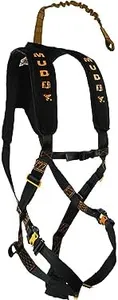
Choosing the right hunting safety harness is a crucial step for any hunter who uses a tree stand. A harness can mean the difference between a safe and enjoyable hunt or a serious, even life-threatening accident. The goal is to find a harness that keeps you secure, comfortable, and mobile without adding unnecessary bulk or complexity. When evaluating options, it's important to consider how, where, and how often you hunt, as these factors influence which features will best meet your needs.Weight CapacityWeight capacity refers to the maximum body weight the harness can safely support, usually including your gear. This specification is important because an overloaded harness might fail in the event of a fall. Harnesses typically break down into ranges—most cover 250-300 lbs, while some heavy-duty ones support greater weights. You should pick a harness with a weight capacity that's comfortably above your total weight (including gear), to ensure both safety and durability.
Fit and AdjustabilityFit and adjustability indicate how well the harness can be tailored to your body shape and size. A good fit is essential for safety and comfort, reducing the risk of slipping or discomfort during long sits. Harnesses often come in sizes like S/M, L/XL, or have adjustable straps. If you hunt in different seasons (wearing light or heavy clothing), look for one with easily adjustable straps, so you can stay both safe and comfortable no matter what you’re wearing.
Padding and ComfortPadding and comfort refer to the materials used where the harness sits against your body—on the shoulders, back, and legs. This matters because longer hunts or all-day sits can become very uncomfortable with minimal padding. Some harnesses use thick, breathable materials, while others are more basic. If you hunt for long periods or climb a lot, prioritize good padding to avoid chafing and fatigue. If you go for short hunts, you might get by with less.
Ease of UseEase of use means how simple it is to put the harness on and take it off, usually involving clips, buckles, and the way straps are organized. Some harnesses are very user-friendly, with quick-release buckles and color-coded straps, while others are more complicated. If you want to spend less time gearing up or hunt in low light, choose one known for being intuitive and fast to put on and remove.
Tether Length and MobilityTether length is the length of rope or strap that connects you to the tree. This dictates how much you can move while being protected. Short tethers limit movement but may offer more safety, while longer tethers provide better range of motion. Think about your hunting style—if you like to stand, sit, and shift often, a longer or adjustable tether might be best. If you mainly stay put, a shorter one may suffice.
Safety CertificationsSafety certifications are third-party stamps of approval showing that the harness meets certain safety standards (like TMA or ASTM). This is crucial because it confirms the harness has been tested for reliability and strength. Pick a harness with recognized certifications if you want extra peace of mind about its quality and safety.
Weight of the HarnessThe weight of the harness refers to how heavy the harness itself is when you carry it into the field. Lightweight models are easier to carry for long distances and less noticeable when you move, while heavier models usually offer more padding or durability. If you walk far to your stand, lighter options can help; if comfort or ruggedness is more important, a heavier harness may be worth it.