10 Best Indoor Concrete Sealers
From leading brands and best sellers available on the web.By clicking on a link to a third party's website, log data is shared with that third party.
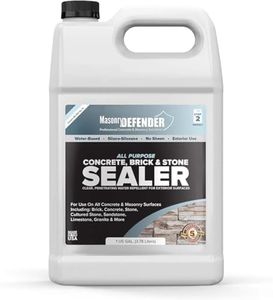
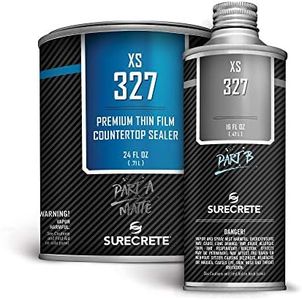
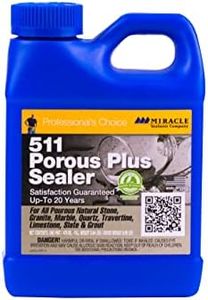
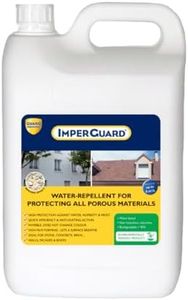
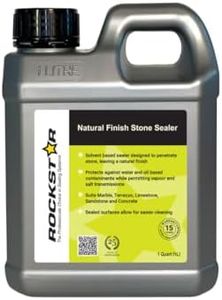
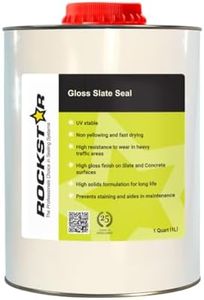
Buying Guide for the Best Indoor Concrete Sealers
Choosing the right indoor concrete sealer ensures your surfaces remain protected, attractive, and easy to maintain. The ideal sealer will depend on your particular needs—whether you want to guard against stains, preserve a natural look, or add a glossy finish for style and easy cleaning. Taking the time to understand key qualities of sealers can help you pick one that matches both your usage and your maintenance expectations.Type of SealerTypes of sealers typically include penetrating sealers, acrylic sealers, epoxy sealers, and polyurethane sealers. The type essentially determines how the sealer interacts with the concrete and the results you get. Penetrating sealers soak into the concrete, giving invisible, long-lasting protection without changing the look or feel, ideal for keeping a natural appearance while preventing moisture problems. Acrylic sealers sit on top and can provide a low to high sheen, great for enhancing colors but usually need more frequent reapplication. Epoxy and polyurethane sealers form a tough surface layer and are used when you want resistance to chemicals, stains, or heavy wear, and they change the look by making it glossier. Choosing the right type depends on whether you want natural looks, surface gloss, chemical resistance, or ease of maintenance.
Gloss LevelGloss level describes how shiny your surface will appear after sealing, ranging from matte (no shine) to high-gloss (very shiny and reflective). Matte finish is best if you want your floors to look as natural as possible and avoid highlighting surface imperfections. Satin or semi-gloss strike a balance for a soft glow that makes maintenance easier without being too flashy, suitable for most living spaces. High-gloss provides a rich, shiny, elegant appearance but tends to show dust, footprints, and scratches more, so it's often chosen for decorative or statement spaces. Pick the gloss level based on aesthetic preference and how much cleaning you're okay with.
Stain and Chemical ResistanceThis refers to how well the sealer can keep spills, stains, and harsh household chemicals from penetrating the concrete. Higher resistance is better for kitchens, laundry areas, or if you expect frequent spills (like in homes with kids or pets). Epoxy and polyurethane sealers usually offer the best resistance but may be harder to apply and more permanent in their finish. Acrylics and penetrating sealers protect against light staining and are easier to touch up. Decide on the level of protection by thinking about where the concrete is in your home and what kinds of messes are likely.
BreathabilityBreathability means the ability for trapped moisture within the concrete to escape through the sealer. High-breathability sealers (often penetrating types) help prevent issues like peeling, flaking, or mold growth, especially in basements or older floors that may have some moisture coming up from underneath. Surface sealers (like epoxies) are less breathable, so they're better for areas with sound, dry concrete. If you're unsure about the moisture condition, a more breathable sealer is often safer.
Ease of Application and MaintenanceSome sealers can be applied easily with a brush, roller, or sprayer and dry quickly, while others require more prep work, mixing, or safety precautions. Simpler water-based acrylics and penetrating sealers suit DIYers or routine reapplication, while solvent-based, epoxy, or polyurethane sealers may be best for those comfortable with more steps or willing to hire a pro. Consider your willingness to do prep, application, and regular maintenance when choosing a sealer.
Longevity and ReapplicationHow long a sealer lasts before needing a fresh coat can vary from just a year or two up to a decade or more. Penetrating sealers offer the longest-lasting protection with little visible change but may not be ideal for decorative finishes. Acrylic sealers generally need more frequent renewal, especially in high-traffic areas, while epoxy and polyurethane sealers can last several years but require more effort to replace. The right pick depends on how much time and effort you want to dedicate to maintaining your floors.