10 Best Indoor Dry Cat Foods
From leading brands and best sellers available on the web.By clicking on a link to a third party's website, log data is shared with that third party.
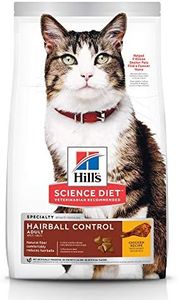
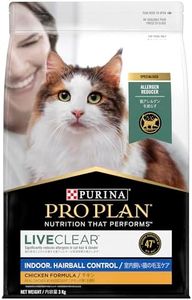
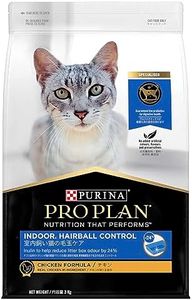
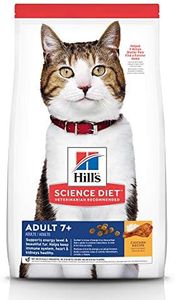
Related Products
Up to 43% off
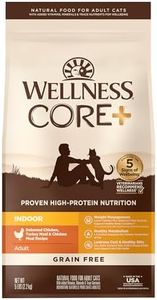
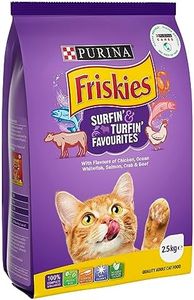
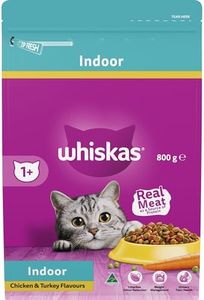
Buying Guide for the Best Indoor Dry Cat Foods
Choosing the right indoor dry cat food is essential for your cat's overall health, coat quality, energy levels, and even behavior. Since indoor cats have different lifestyles and activity levels compared to outdoor cats, it's vital to select food that matches these needs. Look for food crafted specifically for indoor cats, and always check the feeding recommendations and ingredients list. Make sure that your choice supports your cat's life stage, weight, and any unique sensitivities or conditions.Protein ContentProtein content refers to the percentage of protein in the cat food, usually labeled as a percentage on the packaging. Protein is crucial for cats because they are obligate carnivores, meaning they need a diet high in animal-based proteins to thrive. Lower protein foods (28-32%) may be suitable for less active, senior, or overweight cats, while higher protein (33-38% or more) options are often better for younger, more active, or underweight cats. When choosing the right protein level, think about your cat’s age, activity level, and health; an indoor cat typically does well with moderate protein, but always ensure it's from quality animal sources.
Fiber ContentFiber helps regulate a cat’s digestive system, reduces hairballs, and can support weight management. Most indoor dry cat foods contain between 2% and 6% crude fiber. For cats that are prone to hairballs or need help with regular digestion, foods with higher fiber levels may be beneficial, while cats with sensitive stomachs may do better with slightly less. Assess if your cat has frequent hairballs or tends to overeat, and pick a fiber amount that helps address these issues.
Fat ContentFat provides energy and supports coat health. Too much fat can lead to weight gain, especially for less active indoor cats, while too little may cause a dull coat and lack of energy. Typically, indoor dry cat foods range from 8% to 15% fat. More sedentary or senior cats usually benefit from food at the lower end of this range, while young or particularly active cats might need a bit more. Match the fat content to your cat’s activity level and keep an eye on their body condition.
Carbohydrate LevelsCarbohydrates are often used in dry cat foods as fillers or for texture, but cats do not require them as a primary food source. Lower carbohydrate levels (below 30%) are generally preferred since cats digest protein and fat better than carbs. Indoor cats, who risk gaining weight, benefit from lower-carb options that won’t spike their caloric intake. If your cat tends to gain weight easily or you want to emulate a more natural diet, aim for a product with minimal grains or fillers.
Ingredients QualityIngredients quality means the sources and processing of the food’s components. Look for foods listing a high-quality animal protein (like chicken or salmon) as the first ingredient. Avoid foods with vague ingredients like 'meat by-products' or lots of artificial colors and preservatives. Cats with sensitivities or allergies may need specific protein sources or grain-free options. Prioritize transparency in the ingredient list and choose foods that align with any known allergies or specific sensitivities your cat has.
Special Additives (Vitamins and Minerals)Special additives include extra nutrients like vitamins, minerals, probiotics, and supplements meant to address certain needs, such as hairball control or urinary tract support. These are important for overall health and can provide targeted benefits. For example, if your cat has hairball issues, seek formulas with added fiber or specific nutrients for skin and coat health. If your cat is prone to urinary problems, look for food designed to support urinary tract health. Always match these additives to your cat’s individual needs rather than choosing unnecessary extras.
Kibble Size and TextureKibble size and texture impact how easily your cat can eat and digest the food. Larger kibble can help with dental health by reducing tartar, while smaller kibble may be better for kittens, seniors, or cats with dental concerns. Think about your cat’s age, jaw size, and dental health when choosing the appropriate kibble type, ensuring they can comfortably chew their food and benefit from any intended dental care.