10 Best Indoor Outdoor Bug Zappers
From leading brands and best sellers available on the web.By clicking on a link to a third party's website, log data is shared with that third party.
Related Products
Up to 43% off
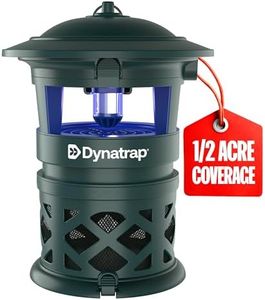
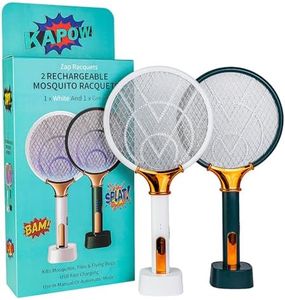
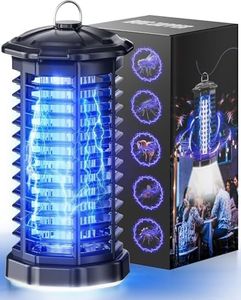
Buying Guide for the Best Indoor Outdoor Bug Zappers
Choosing the right indoor-outdoor bug zapper can make a big difference in how comfortable your living space is, especially during warmer months. The primary goal is to select a device that suits your specific environment—whether you need coverage for a small patio, a large backyard, or inside your home. Paying close attention to product specifications will help ensure that you get the most effective and safe bug zapper for your needs, ultimately helping to minimize pests and let you enjoy your space.Coverage AreaCoverage area tells you how much space the zapper is designed to protect, usually specified in square feet. This is important as it determines how many bugs the zapper can attract and eliminate within a given space. Zappers with small coverage areas may be ideal for bedrooms, kitchens, or small patios, typically handling 200–500 square feet. Medium coverage (500–1,500 square feet) works well for larger rooms, porches, or average-sized gardens. Large coverage models, which can cover over 2,000 square feet, are typically used for big backyards or commercial spaces. To pick the right coverage, consider the size of the area where you'll use the zapper most often, and choose a model that can handle a bit more than your actual space for the best results.
Power SourceThe power source of a bug zapper refers to how it gets its energy to operate; this can be via plug-in electric, battery, or solar power. Electric models provide consistent power and are best for areas near outlets or if the zapper will be used regularly. Battery-powered units are portable and useful for camping or areas without power access but require regular battery changes; they suit occasional use or smaller areas. Solar-powered zappers work well for outdoor spaces where there's plenty of sunshine, offering eco-friendly operation but might perform less reliably in cloudy or shaded conditions. Think about where you'll use the zapper and how convenient each option would be for you, keeping in mind any limitations in power availability.
Safety FeaturesSafety features are critical, especially if you have children or pets around. These can include protective outer cages, automatic shut-off when opened, and low-voltage operation. Zappers with robust cages prevent accidental contact with the electric grid, which is essential for safety indoors or in family settings. Auto shut-off features add another layer of protection when cleaning or maintaining the device. If your household includes young kids or pets, prioritize models with comprehensive safety measures to prevent accidents.
Attractant TypeBug zappers use various attractants such as UV light, LED lights, or chemical lures to draw in insects. UV and LED lights are common and effective for a wide range of bugs, especially at night or in low-light areas. Some zappers also use chemical attractants for day-time use or to target specific pests like mosquitoes. If you’re mainly annoyed by flying insects at night, a traditional UV or LED model is often sufficient. If you need to lure specific pests or want extra effectiveness during the day, consider a zapper with an additional chemical attractant. Your local bug problem and the time you spend outdoors can guide your choice here.
Ease of CleaningEase of cleaning refers to how simple it is to remove insect debris from the zapper. Some models have removable collection trays or baskets, while others require direct access to the grid. Removable trays make for quick, hygienic cleanup and reduce the risk of accident, which is especially helpful for busy households. Zappers that require more disassembly can be time-consuming to maintain. Think about how often you'll need to clean the device based on your bug problem; if you expect frequent use, a model that's easy to empty and wipe down will save you frustration.