10 Best Infants Ear Muffs
From leading brands and best sellers available on the web.By clicking on a link to a third party's website, log data is shared with that third party.
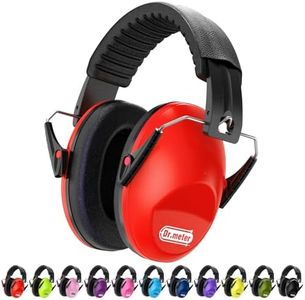
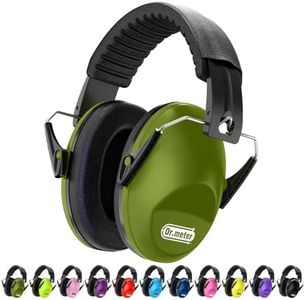
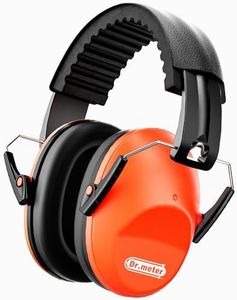
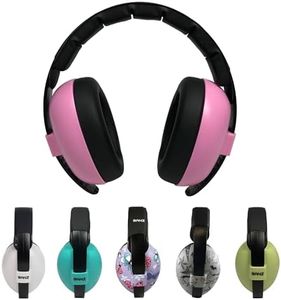
Related Products
Up to 24% off
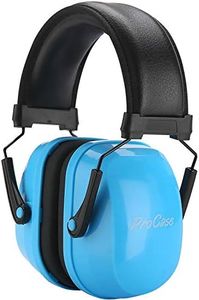
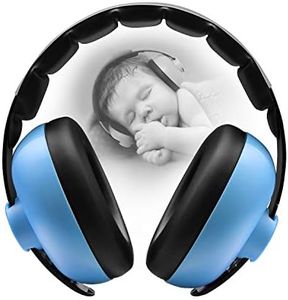
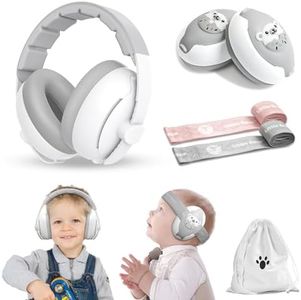
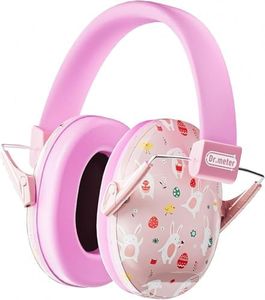
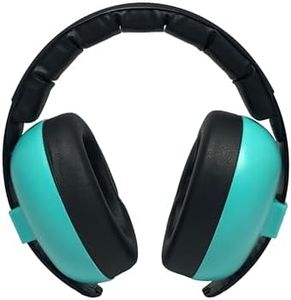
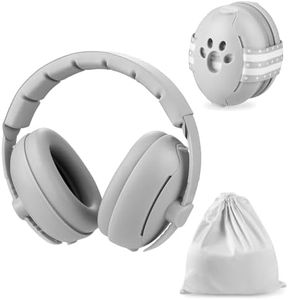
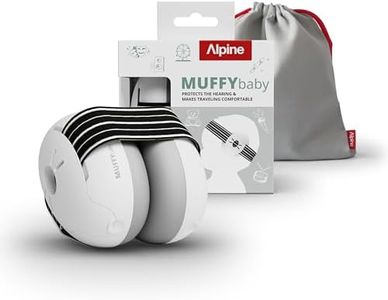
Buying Guide for the Best Infants Ear Muffs
When choosing ear muffs for infants, the primary goal is to protect their delicate ears from loud noises in environments like concerts, sporting events, or even noisy household appliances. Babies are much more sensitive to sound than adults, and prolonged exposure to loud noise can damage their hearing. Choosing the right ear muffs ensures comfort, safety, and peace of mind, so it’s important to understand which features matter most and how they fit your specific needs.Noise Reduction Rating (NRR)Noise Reduction Rating, or NRR, tells you how much noise the earmuffs can block out and is measured in decibels (dB). For infants, a higher number means better protection against loud sounds. Most infant earmuffs offer NRR values between 20 and 30 dB. Lower ratings (around 20 dB) work for moderate everyday noise, like busy cafes or family gatherings. Ratings above 25 dB are best for very loud environments, such as concerts or sporting events. When choosing, think about where you’ll use them most; for occasional loud outings, go for the higher NRR.
Comfort and FitComfort and fit are crucial because infants can be fussy about things on their head and a poor fit can reduce noise protection or even harm delicate skin. Look for soft padding around the ears and an adjustable or stretchy headband designed specifically for infants (not older children). Some earmuffs are lightweight and made to put minimal pressure on the head, which is great for longer wear. If your child will wear them for extended periods or is particularly sensitive, prioritize models with extra cushioning and gentle materials.
Adjustability and SizeInfants have small and quickly growing heads, so finding ear muffs that are adjustable or made to fit newborns and young babies is important. Some models offer a flexible headband or have size guides for babies of different ages. A proper fit means the cups cover the baby’s ears completely without gaps but are not too tight. Choose a size or adjustability level based on your baby’s age and growth—removable or extendable bands can help the earmuffs last longer as your child grows.
Weight and BulkinessThe weight and bulkiness of the ear muffs can affect whether your infant will tolerate them. Lightweight designs are far more comfortable for little ones and won’t cause neck strain or discomfort if worn for longer periods. Bulky earmuffs may slip off or make your baby fussy. For travel or all-day use, pick a pair that is described as lightweight, even if it means sacrificing a little bit of bulk or extra features.
Materials and SafetyBecause products for infants must be extremely safe, the materials used should be non-toxic, hypoallergenic, and free from small parts that could be a choking hazard. Look for information about certifications, safety standards, and whether the earmuffs are made with BPA-free plastics and gentle fabrics. If your baby has sensitive skin or allergies, make sure the coverings are soft and non-irritating. Always double-check that there are no loose parts or detachable bits.
Ease of CleaningBabies can make a mess, so easy cleaning is a helpful feature. Some ear muffs have removable and washable ear cushions, or can be wiped down with a damp cloth. If your baby is likely to drool or spit up on the ear muffs, this is an important consideration to keep them hygienic and safe to use repeatedly.