We Use CookiesWe use cookies to enhance the security, performance,
functionality and for analytical and promotional activities. By continuing to browse this site you
are agreeing to our privacy policy
10 Best Interlocking Foam Mats
From leading brands and best sellers available on the web.By clicking on a link to a third party's website, log data is shared with that third party.

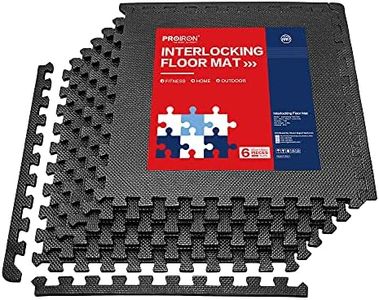

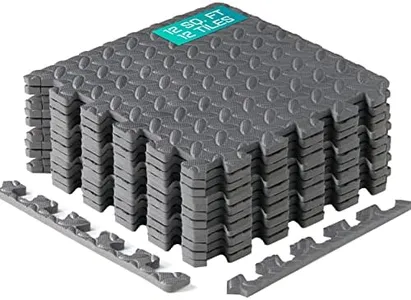
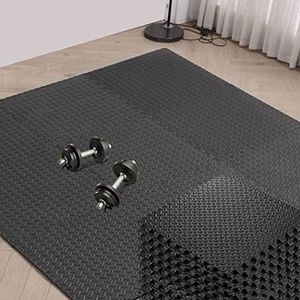
Related Products
Up to 43% off
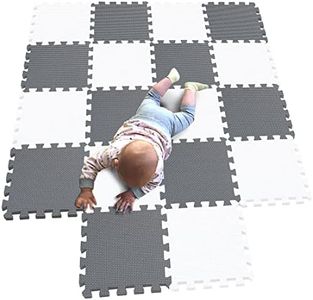


Recommended lists

Top rated
Interlocking Gym Mats
Buying Guide for the Best Interlocking Foam Mats
Interlocking foam mats are popular for creating safe, cushioned surfaces in homes, gyms, playrooms, and workspaces. Their puzzle-like design makes them easy to assemble and customize the size of your covered area. Selecting the right foam mat depends on how you plan to use it, such as whether it's for children's play, yoga, or heavy exercise. Think carefully about comfort, safety, and ease of cleaning as you consider your needs.ThicknessThickness refers to how deep the mat is from top to bottom, and it's important because it affects both comfort and protection. Thicker mats (usually above ¾ inch) provide better cushioning for high-impact activities or if you want extra protection against falls, making them ideal for playrooms, martial arts, or weight rooms. Thin mats (¼ to ½ inch) are easier to walk on and are suitable for yoga or light exercise where stability is key. To choose the right thickness, consider if you need more shock absorption (go thicker) or a firmer and more even surface (go thinner).
MaterialThe foam material influences durability, feel, and safety. Most mats are made from EVA (Ethylene Vinyl Acetate) foam, which is soft, lightweight, and water resistant. Some may be made from rubber blends for added toughness. If you need mats for children or sensitive activities, check if the material is non-toxic and free from harmful chemicals. Choosing the right material comes down to who will use the mats, how much comfort versus durability you want, and any sensitivities to chemicals.
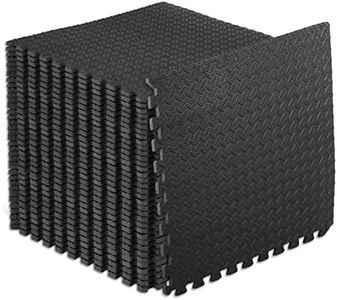
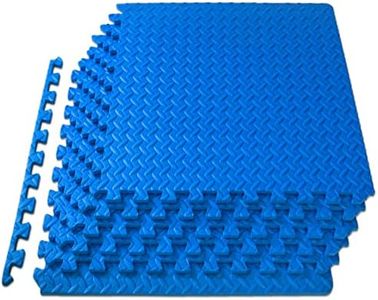
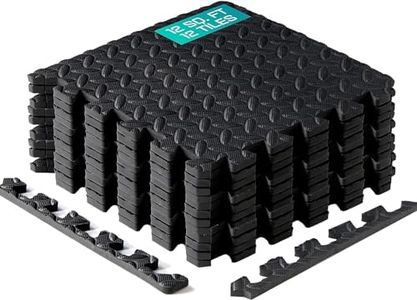
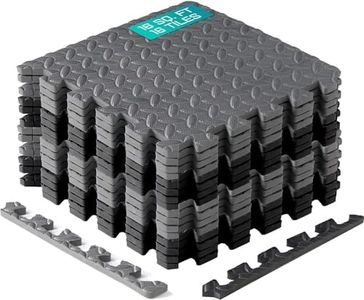
Surface TextureThe surface texture refers to the pattern or finish on top of the mat, which impacts grip and ease of cleaning. Smooth surfaces are easy to wipe but may get slippery if wet, while textured or ribbed surfaces help prevent slips, which is important in gyms or active play areas. When picking texture, ask yourself if grip and safety are key or if you prefer easy cleaning and a softer touch.
Size and Interlocking DesignEach mat comes in a standard square or rectangular size, and the number of interlocking edges determines how easily you can expand or shape the mat area. Larger tiles cover space faster but are harder to fit in tight or unusual spaces, while smaller tiles offer more flexibility. Consider the area you need to cover and if you want to be able to reconfigure the mats often. For complex-shaped spaces, smaller interlocking pieces can make installation easier.
Water and Stain ResistanceThis tells you how well the mat resists spills and moisture, making cleaning easier and helping prevent odors. High resistance means less maintenance, which is helpful for gyms, kids’ rooms, or kitchens. Choose mats with good water resistance if you anticipate frequent spills or plan to clean them often.
Ease of Assembly and PortabilityInterlocking mats vary in how quickly they can be put together or taken apart, and how easy they are to move. Some are lightweight and come apart easily for temporary setups or portable exercise spaces, while others are heavier and designed for more permanent use. Think about if you need to move the mats regularly or want a semi-permanent area, and pick a set that matches these needs.