We Use CookiesWe use cookies to enhance the security, performance,
functionality and for analytical and promotional activities. By continuing to browse this site you
are agreeing to our privacy policy
10 Best Inversion Tables For Spinal Decompression
From leading brands and best sellers available on the web.By clicking on a link to a third party's website, log data is shared with that third party.

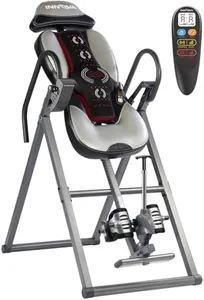
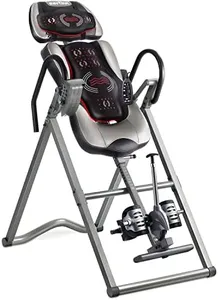
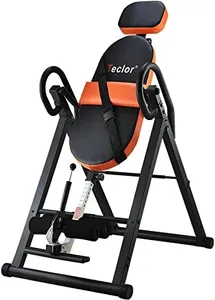
Related Products

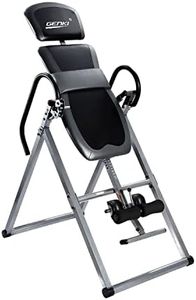
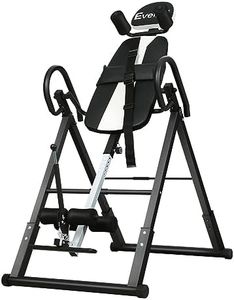

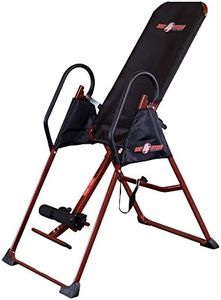
Buying Guide for the Best Inversion Tables For Spinal Decompression
Choosing an inversion table for spinal decompression can make a big difference in your comfort and well-being. Inversion tables help relieve pressure on your spine by allowing you to hang at various angles, which can ease back pain for some people. When shopping for one, it’s important to look beyond appearance or fancy features and focus on what will make your experience effective, safe, and comfortable. Knowing about the essential features can help you find a model that matches your needs and physical situation.Weight CapacityWeight capacity refers to the maximum user weight the inversion table can safely support. This is critical for safety because exceeding the limit can cause the table to fail and result in injury. Most tables are divided into lower (generally up to 220 lbs), mid-range (220–300 lbs), and high-capacity (over 300 lbs) categories. Choose a table that supports at least 10–20% more than your current weight to ensure stability and longevity. If you’re on the heavier side, opt for a high-capacity table with strengthened frames.
Height AdjustabilityHeight adjustability describes how the inversion table can be set to fit different body heights, usually within a certain range (like 4’10” to 6’6”). This is important because a proper match ensures that the table rotates smoothly and safely, centered around your body’s natural balance point. If you are much shorter or taller than average, make sure the table includes your height in its range. Set the table according to your actual height for best balance and control.
Inversion Angle SettingsInversion angle settings allow you to control how far back the table tilts, typically from a mild slant to full 90-degree inversion (upside down). More angle options mean you can start gently and gradually increase as you get comfortable. Beginners or those with health concerns should look for a table that has easily adjustable and lockable angles, so you can set a limit that feels safe. Frequent users or those seeking deeper decompression may want tables with more angle flexibility.
Ankle Locking SystemThe ankle locking system is how the table secures your feet and ankles while you are inverted. This feature matters a lot for both comfort and safety, as you will be hanging much or all of your body weight from your ankles. Basic systems might use foam rollers, while more advanced options add ergonomic padding or safety levers. If you have sensitive ankles or plan to invert for longer sessions, opt for a well-padded and easy-to-operate locking system.
Frame Stability and MaterialFrame stability and material describe the strength and quality of the table’s construction. Sturdy frames made from high-grade steel or heavy-duty materials offer better safety and durability. Thin or lightweight frames may wobble, especially at higher weights or with frequent use. Check for features like non-slip bases and reinforced joints. If you plan to use your table often, or if you share it with others, prioritize models known for their stability.
Ease of Storage and FoldingEase of storage and folding relates to how simply the table can be folded up and tucked away when not in use. This is especially important if you have limited space at home. Some inversion tables are easy to collapse flat and slide under a bed or into a closet, while others are bulkier or harder to move. If you need to store your table after each use, look for models promoted as ‘foldable’ or ‘space-saving’ and check the folded dimensions.
Comfort FeaturesComfort features refer to elements like padded backrests, headrests, handles, and extra cushioning that improve your experience while using the inversion table. They don’t affect function as much as convenience and comfort, but they can make sessions more enjoyable, especially for longer use. Users prone to discomfort or those seeking relaxation during decompression should pick a table with more padding and ergonomic support.